

Trending Now
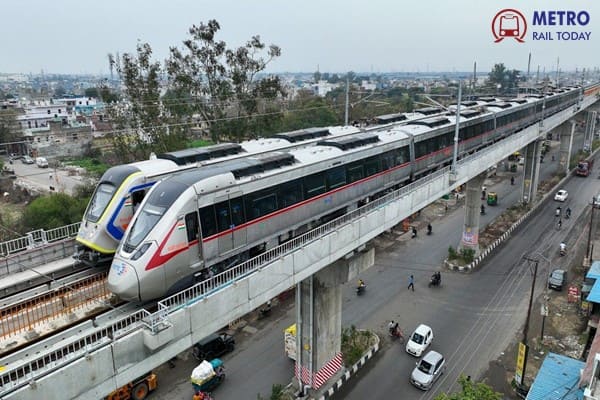
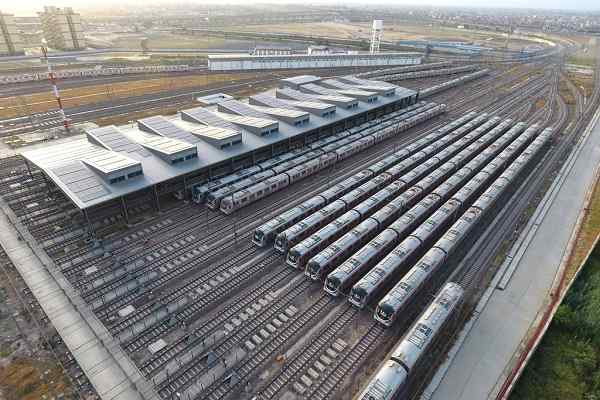 Lisha Engineers bags ₹138.70 crore Sanoth Depot Contract for Delhi Metro's Rithala-Kundli Corridor
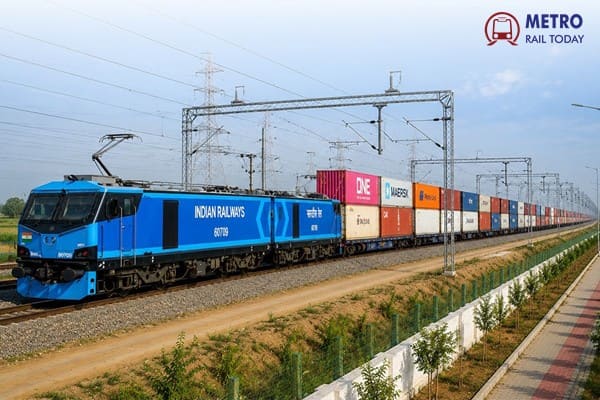 India commissions 1,506-km dedicated freight railway corridor connecting JNPA to New Dadri
 Exclusive Interview with Uwe Sperber, Site Manager, Hubner Interface Systems India
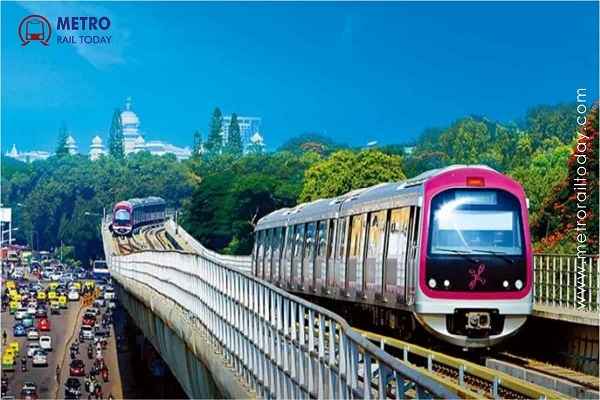 Bangalore Metro floated tender for 13.8-km Phase-3 Double-Decker Rail Infrastructure
 AECOM–NIPPON KOEI JV appointed as PMC Consultant for Chennai Metro Phase 1 capacity enhancement
 EPC Leader Larsen & Toubro Ltd (L&T) joins Chamber of Railway Industries as Corporate Member
 Contractor prequalification deadline for Dubai Metro Gold Line is extended to October 9
 Indore Metro Rail Network expands to 17 km as Priority Corridor 2 opened to public
 Jaffer PC appointed as Managing Director of Bangalore Metro Rail Corporation (BMRC)
 CMRL appoints Systra to prepare Multi-Modal Integration DPR for Chennai Metro Phase 1 stations
Bihar approves RRTS Plan to connect Patna with Gaya, Muzaffarpur, Ara and Begusarai
MRT Online Desk
Posted on: 2026-07-06 15:51:00
Viewer: 1,360
Comments: 0
Country: India
City: Patna
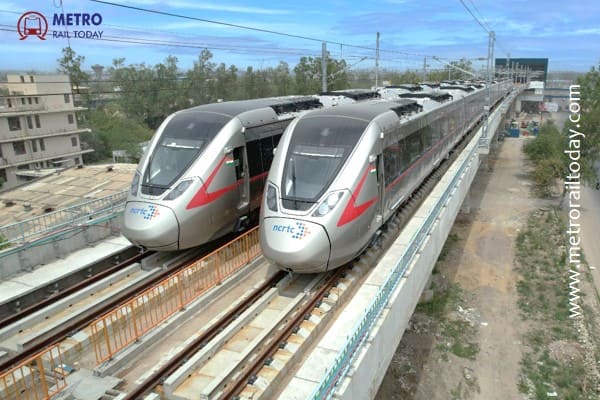
Patna, India (Metro Rail Today): In a major step towards transforming regional mobility in Bihar, the state cabinet has approved a proposal to develop a Regional Rapid Transit System (RRTS) connecting Patna with Gaya, Begusarai, Hajipur, Sonepur, Muzaffarpur and Ara. The ambitious project aims to establish a high-speed, integrated regional transport network on the lines of the successful National Capital Region (NCR) Rapid Rail Transit System.
The decision was taken during the state cabinet meeting on Wednesday, where a total of 22 proposals received approval. Among the key decisions was the appointment of the National Capital Region Transport Corporation (NCRTC) to prepare the Alternative Analysis Report (AAR) and the Detailed Project Report (DPR) for the proposed regional rapid transit corridors.
According to Additional Chief Secretary of the Cabinet Secretariat Department, Arvind Kumar Choudhary, the Bihar government has approved a payment of ₹31.59 crore to NCRTC for carrying out the feasibility studies and preparing the detailed reports that will shape the future of the state's regional rapid transit network.
Four High-Speed Corridors Planned
The proposed RRTS network will consist of four strategic corridors radiating from Patna, significantly improving connectivity with key urban and industrial centres across Bihar. The planned routes include Patna–Gaya, Patna–Begusarai, Patna–Hajipur–Sonepur–Muzaffarpur, and Patna–Ara.
The proposed corridors are expected to reduce travel time substantially while offering commuters a fast, reliable and environmentally sustainable mode of transport. The project also seeks to support the state's growing urbanisation by providing seamless regional connectivity between Patna and neighbouring cities that are witnessing increasing population, commercial activities and industrial expansion.
Speaking on the cabinet's decision, Urban Development and Housing Department Minister Nitish Mishra described the initiative as a significant milestone in Bihar's infrastructure development. He said the project reflects the government's commitment to creating a modern, integrated regional transport system capable of meeting the mobility needs of a rapidly developing state. According to him, the increasing number of daily commuters and expanding economic activity around Patna have made the development of an efficient regional transit system an urgent necessity.
"The approval to develop a Regional Rapid Transit System for Bihar marks a transformative step towards creating sustainable, high-capacity regional mobility. Efficient regional transport networks not only reduce travel time but also stimulate economic growth, encourage balanced urban development and improve the quality of life for millions of commuters. As Bihar advances this ambitious initiative, it has the potential to reshape the state's transportation landscape and support long-term economic competitiveness," said Mrs. Mamta Shah, MD & CEO of Urban Infra Group.
NCRTC Brings Proven Expertise
The selection of NCRTC is expected to bring valuable expertise to the project. The corporation is currently implementing India's first Regional Rapid Transit System connecting Delhi with Meerut through the Delhi–Ghaziabad–Meerut RRTS corridor. The corridor has already demonstrated significant improvements in regional connectivity, passenger comfort and travel efficiency, making it a benchmark for future rapid transit systems across the country.
The Alternative Analysis Report will evaluate multiple route alignments, station locations, ridership projections and integration with existing transport infrastructure before the Detailed Project Report finalises the technical, financial and implementation framework.
Boosting Bihar's Urban and Economic Growth
The proposed RRTS is expected to become a catalyst for regional economic development by enhancing access to employment hubs, educational institutions, healthcare facilities and industrial clusters. Improved connectivity between Patna and surrounding cities could also encourage transit-oriented development, attract private investment and reduce traffic congestion on major highways.
With Bihar witnessing rapid urban growth and increasing travel demand, the proposed regional rapid transit network represents a forward-looking investment in sustainable infrastructure. Once implemented, the project is expected to significantly strengthen public transport across the state while supporting inclusive economic growth and improving connectivity for millions of residents.


MRT Online Desk
Metro Rail Today is an authentic and global news provider for the Rail & Metro industry from and around the world.