

Trending Now
 Karnataka proposes 270-km RRTS Network linking Bengaluru with Tumakuru, Mysuru and KGF
 Alstom and Vingroup sign MoU to supply up to 200 Metro Trains for Hanoi Urban Rail Projects
 Afcons Infrastructure wins ₹1,383 crore Civil Contract for Lucknow Metro Phase 1B Corridor
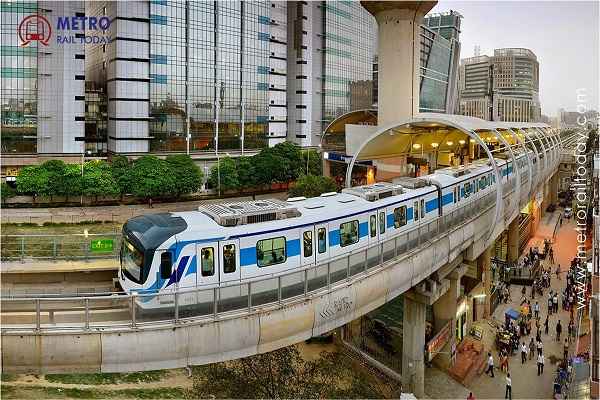 GMRL issues ₹1,662 crore Civil Tender for Sector 9–Cyber City Gurugram Metro Rail Corridor
 Madrid unveils €1.57 billion Metro Rail Expansion Programme with 27.8 km of New Corridors
 Global Tender launched for Project Management Consultancy for Abu Dhabi Tram Line 4
 NV Dynamics awarded Noise and Vibration Study contract for Jaipur Metro Phase 2 Project
 Two global consortia bid for India’s 350 kmph High-Speed Rail Design consultancy contract
 Larsen & Toubro (L&T) extends Hyderabad Metro stake sale timeline to 31 December 2026
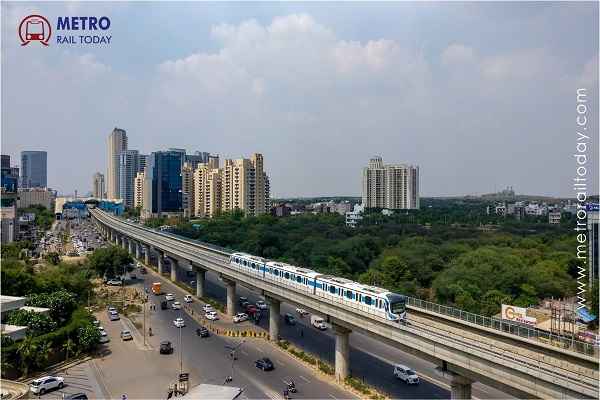 Haryana Govt approves ₹1,662 crore construction tender for Gurugram Metro Phase 2
GMRL to take over Gurugram Rapid Metro Operations from DMRC
MRT Online Desk
Posted on: 2025-09-15 11:30:00
Viewer: 2,115
Comments: 0
Country: India
City: Gurgaon
Gurugram, India (Metro Rail Today): In a significant administrative shift, the Haryana Mass Rapid Transport Corporation (HMRTC) has decided that the Gurugram Metro Rail Limited (GMRL)—its special purpose vehicle (SPV)—will assume responsibility for the operation and maintenance of the 12.85-km Rapid Metro network, currently managed by the Delhi Metro Rail Corporation (DMRC).
The transfer process has officially begun, although a definitive timeline for the handover has not been announced. The move comes as GMRL builds institutional capacity and inducts key personnel to manage city-level transit operations independently.
Rapid Metro: A Key Urban Connector
The Rapid Metro, which operates along Golf Course Road from Cyber Hub to Sector 56, serves as a vital last-mile connector for Gurugram’s business and residential districts. The route includes 11 stations: Cyber Hub, DLF Phase-3, Moulsree Avenue, Belvedere Tower, DLF Phase-2, Sikanderpur (interchange with Delhi Metro’s Yellow Line), DLF Phase-1, Sector 42-43, Sector 53-54, Sector 54 Chowk, and Sector 55-56.
This corridor is crucial for daily commuters working in Gurugram's thriving corporate sector and remains one of the most premium metro alignments in the country in terms of ridership demographics and commercial potential.
Committees Formed to Ensure Seamless Transition
To ensure a structured transition, three specialized committees were formed under GMRL in July 2025, each tasked with examining critical aspects of the takeover:
-
Operations & Technical Committee: Focuses on statutory approvals, breakdown management, vendor interface, and maintenance preparedness.
-
Asset & Legal Committee: Oversees asset transfer, civil infrastructure verification, structural health assessments, and compliance with legal obligations.
-
Revenue & Contract Committee: Examines fare structure, non-fare revenue streams, contract management, and public-private engagement models.
These committees have submitted their Terms of Reference (ToR), and parallel operations are planned during the handholding period with DMRC to ensure operational continuity.
Mrs. Mamta Shah, MD & CEO of Urban Infra Group, welcomed the move, “This transition reflects Gurugram’s intent to evolve as a self-sustaining transit city. Empowering GMRL to manage Rapid Metro will enhance regional accountability, streamline operations, and support long-term integration with future corridors.”
Strategic Implications for Gurugram’s Mobility Future
This decision is seen as a natural evolution in Gurugram’s urban transport strategy. GMRL, as the executing agency for the city’s upcoming 28.5-km Gurugram Metro extension, is expected to play a central role in managing and integrating all intra-city rail-based transit under one umbrella.
Officials believe that unifying operations under GMRL will help:
-
Align maintenance with upcoming Gurugram Metro Phase-II standards
-
Introduce localized decision-making and quicker service upgrades
-
Enhance opportunities for non-fare revenue, including real estate, advertising, and retail partnerships
By reducing dependence on DMRC and building institutional capability at the state level, Haryana aims to establish a more agile, city-specific metro governance model, similar to what cities like Mumbai and Bengaluru are adopting.
The transfer of Rapid Metro’s operations to GMRL represents a turning point in Gurugram’s transit governance. It is a move toward local autonomy, deeper integration of new and existing systems, and a more responsive operational framework that can meet the city’s rapidly growing mobility needs.

MRT Online Desk
Metro Rail Today is an authentic and global news provider for the Rail & Metro industry from and around the world.