

Trending Now
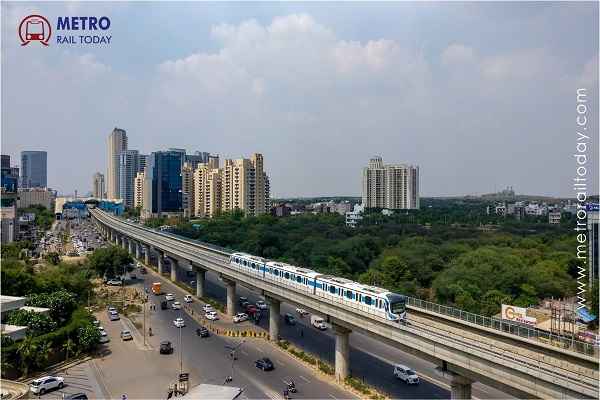 World Bank approves ₹1,400 crore Civil Tender for Gurugram Metro Phase 2
 Bi-RIDE invites ₹200 crore Tender for Soladevanahalli Depot of Bengaluru Suburban Rail Project
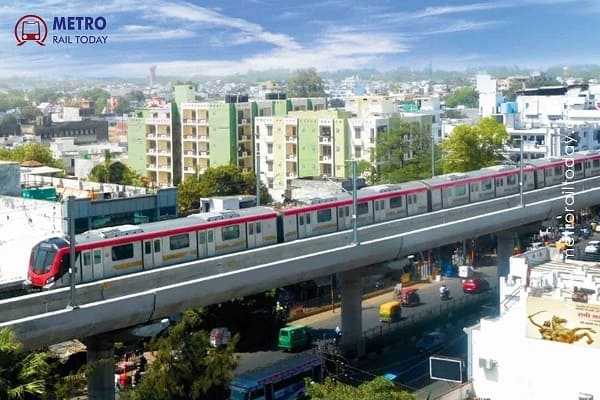 GHV India awarded ₹107.79 crore Civil Contract for Lucknow Metro East-West Corridor
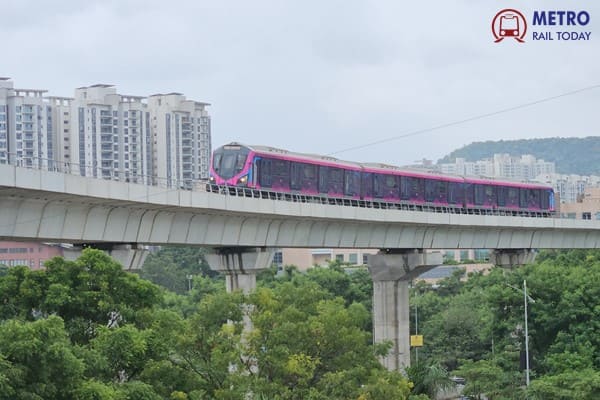 Pune Metro Line 3 set to launch First 12-km Section on 15 July 2026
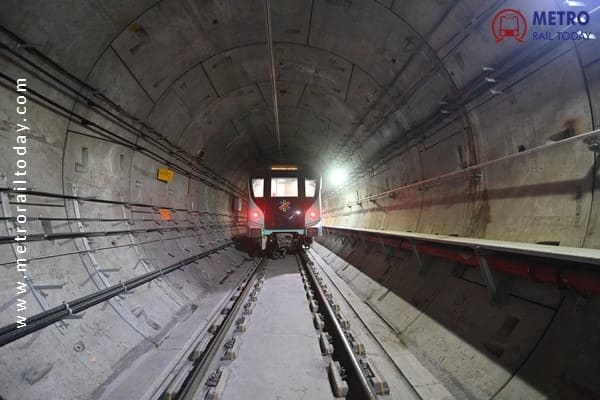 DMRC gets approval to Fell or Transplant 364 Trees for Central Vista Metro Corridor under Phase IV
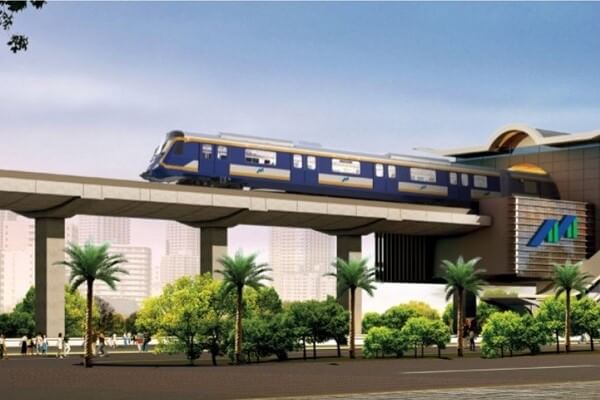 ₹4.5 Lakh crore Metro Rail Investment reaches less than 5% of Urban Population in India
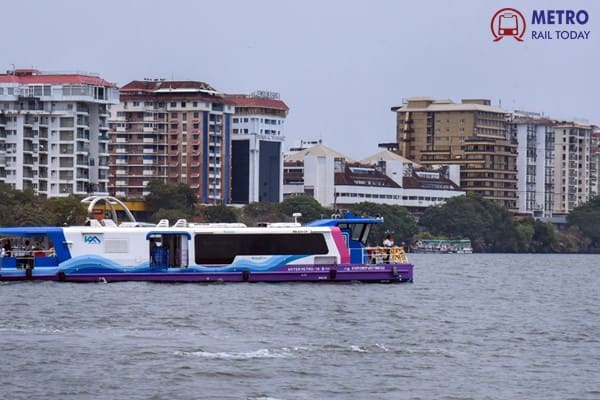 West Bengal plans to launch Water Metro Systems in Kolkata
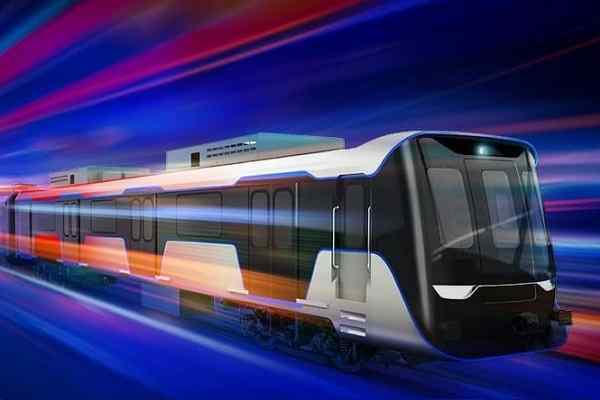 Titagarh Rail Systems targets full Indigenous Aluminium Coach Manufacturing by FY2027
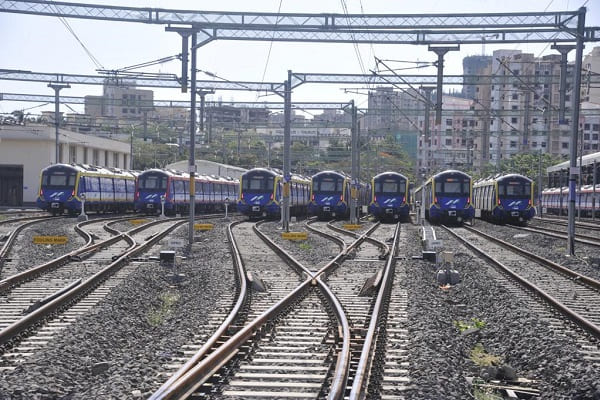 MMRDA issues Track Works Tender for Kasheli Depot of Mumbai Metro Line 5
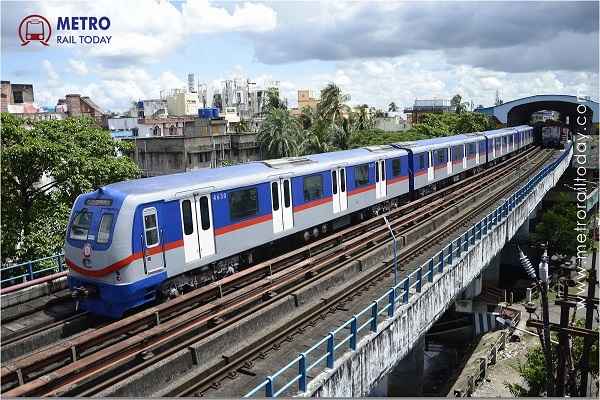 Indian Railways to procure 60 new Rolling Stock Trains for Kolkata Metro in five years
NCRTC completes geotechnical survey for ₹15,000 Cr Gurugram–Greater Noida RRTS Corridor
MRT Online Desk
Posted on: 2025-09-15 11:20:00
Viewer: 2,590
Comments: 0
Country: India
City: New Delhi
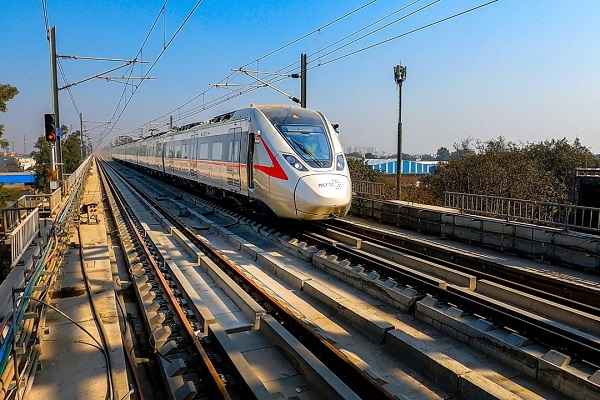
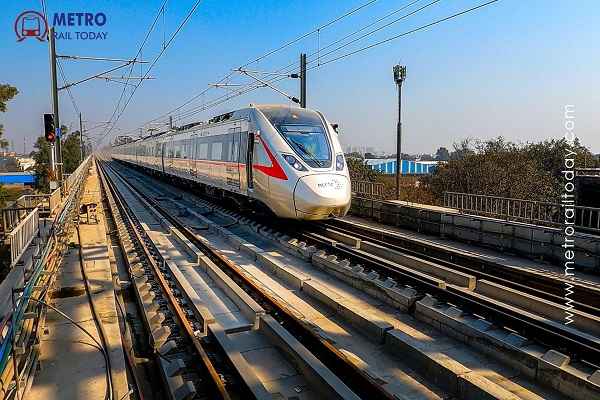
New Delhi, India (Metro Rail Today): The National Capital Region Transport Corporation (NCRTC) has completed the geo-technical survey for the ambitious Gurugram–Faridabad–Noida–Greater Noida Regional Rapid Transit System (RRTS) corridor, also known as the Namo Bharat corridor, connecting key economic zones of Haryana and Uttar Pradesh across the National Capital Region (NCR).
A consultancy firm has been appointed to prepare the Detailed Project Report (DPR), which is expected to be completed within three months. The estimated project cost stands at ₹15,000 crore, making it one of the most capital-intensive high-speed transit corridors planned under India’s expanding RRTS program.
Route Overview: A 65-km High-Speed Urban Artery
The proposed corridor will span approximately 65 kilometers, enabling trains to run at speeds of up to 180 km/h, with a frequency of one train every 5 to 7 minutes.
Proposed Route Alignment:
-
Start Point: Iffco Chowk, Gurugram
-
Through: Dr. B.R. Ambedkar Marg, Brigadier Osman Chowk, AIT Chowk (Golf Course Road)
-
Aravalli Entry: Near Ansal University, running 18.4 km along Gurugram–Faridabad Road
-
Faridabad Crossing: Into Noida via Vishwakarma Setu and over Delhi–Palwal railway line
-
End Point: Surajpur, Greater Noida
Currently, six station locations are under consideration, with room to expand to nine stations post-DPR finalization:
-
Iffco Chowk (Gurugram)
-
Sector-54 (Gurugram)
-
Bata Chowk (Faridabad)
-
Sector 85-86 Divider Road (Faridabad)
-
Sector 142-168 Chowk (Noida)
-
Surajpur (Greater Noida)
Key Interchanges and Integration
-
Iffco Chowk: Planned interchange with Delhi–Neemrana RRTS corridor
-
Surajpur: Proposed interchange with the Ghaziabad–Jewar Airport RRTS corridor
These interchanges will form part of the multimodal vision for the NCR, enabling seamless connectivity across existing and future high-speed corridors.
Mrs. Mamta Shah, MD & CEO of Urban Infra Group, noted, “The Gurugram–Greater Noida RRTS corridor has the potential to be a true game-changer. It connects key urban hubs across state boundaries and supports the vision of a seamlessly integrated, high-speed regional transport network for NCR.”
Strategic Significance
The corridor is part of NCRTC’s broader plan to develop eight high-speed RRTS lines under the National Capital Region Transport Master Plan 2041, improving intercity travel while reducing vehicular load, curbing pollution, and boosting regional economic growth.
This corridor is especially important for:
-
Enhancing connectivity between tech hubs, industrial clusters, and satellite towns
-
Promoting real estate development and transit-oriented development (TOD) along the alignment
-
Supporting commuter mobility from peripheral urban zones to key employment centers
Next Steps
Once the DPR is finalized, it will be submitted to:
-
The Haryana and Uttar Pradesh state governments for concurrence
-
Followed by the Ministry of Housing and Urban Affairs (MoHUA) for central approval
Upon approval, land acquisition, environmental clearance, and tendering for civil construction will be initiated.
As India builds out its high-speed urban rail ecosystem, the Gurugram–Greater Noida Namo Bharat RRTS corridor stands out as a strategic investment in regional integration, sustainable urban mobility, and future-ready infrastructure. Once operational, the corridor will redefine the speed, scope, and convenience of public transport across NCR.

MRT Online Desk
Metro Rail Today is an authentic and global news provider for the Rail & Metro industry from and around the world.