

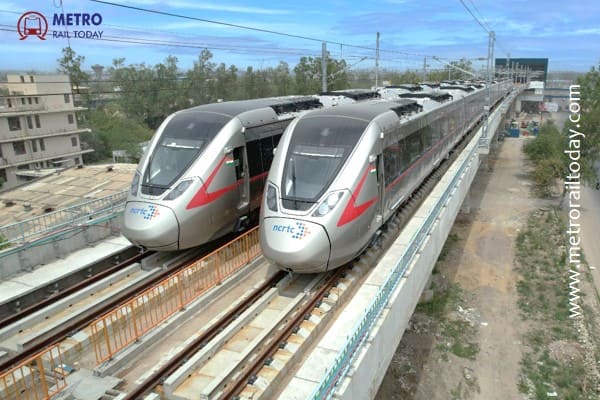
 Karnataka proposes 270-km RRTS Network linking Bengaluru with Tumakuru, Mysuru and KGF
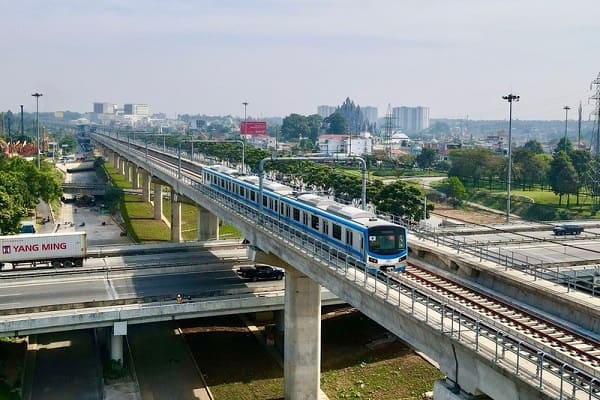 Alstom and Vingroup sign MoU to supply up to 200 Metro Trains for Hanoi Urban Rail Projects
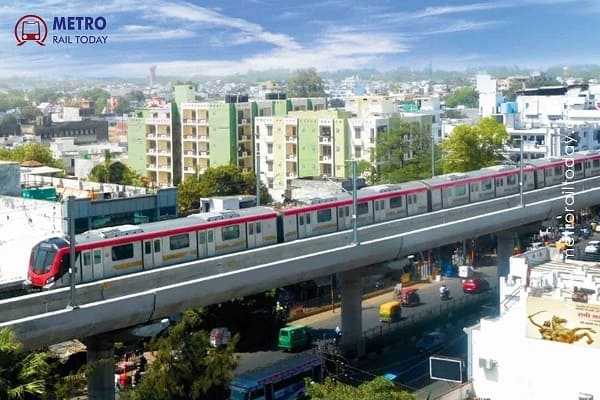 Afcons Infrastructure wins ₹1,383 crore Civil Contract for Lucknow Metro Phase 1B Corridor
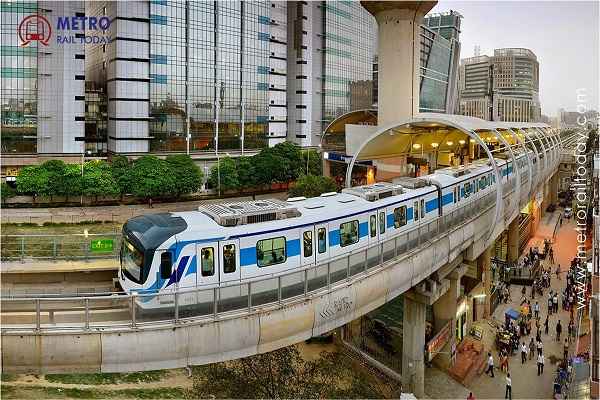 GMRL issues ₹1,662 crore Civil Tender for Sector 9–Cyber City Gurugram Metro Rail Corridor
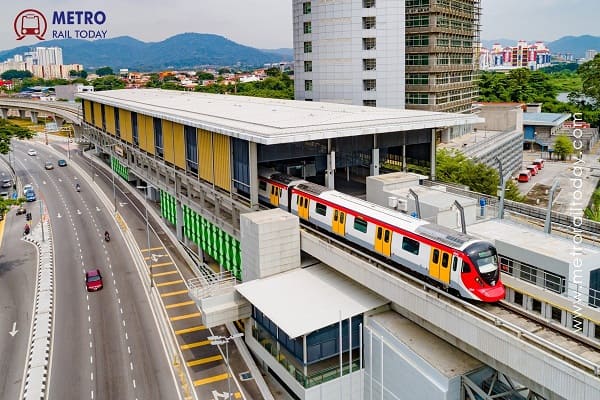 Madrid unveils €1.57 billion Metro Rail Expansion Programme with 27.8 km of New Corridors
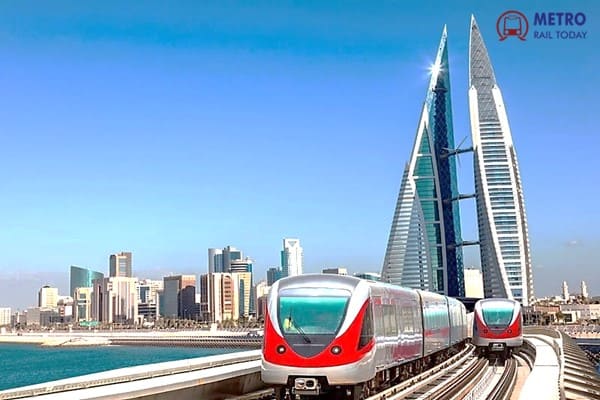 Global Tender launched for Project Management Consultancy for Abu Dhabi Tram Line 4
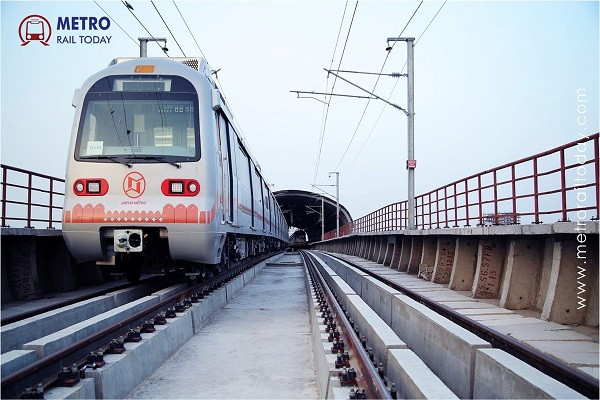 NV Dynamics awarded Noise and Vibration Study contract for Jaipur Metro Phase 2 Project
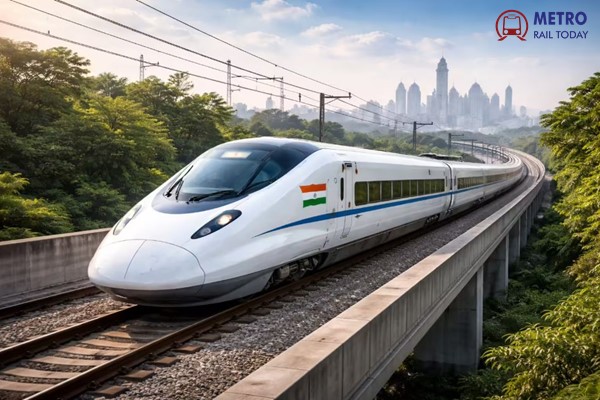 Two global consortia bid for India’s 350 kmph High-Speed Rail Design consultancy contract
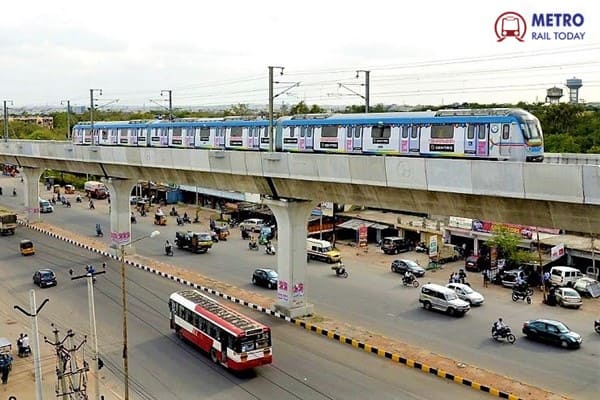 Larsen & Toubro (L&T) extends Hyderabad Metro stake sale timeline to 31 December 2026
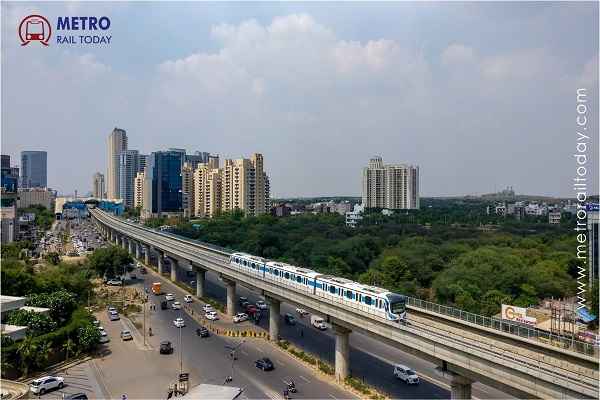 Haryana Govt approves ₹1,662 crore construction tender for Gurugram Metro Phase 2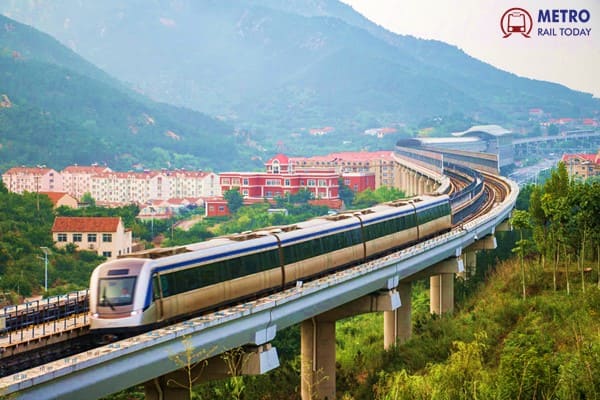
The announcement was made by Union Minister for Housing and Urban Affairs Manohar Lal Khattar during Chief Minister N. Chandrababu Naidu’s recent visit to New Delhi. With traffic congestion intensifying in both urban centres, the metro projects are expected to significantly ease daily commutes, enhance connectivity, and support economic expansion. For Visakhapatnam, the state’s commercial and industrial hub, the approval represents a critical milestone in its long-term urban growth strategy.
Officials are preparing to initiate preliminary works, with civil construction targeted to commence next year. Subject to adherence to timelines, phased operations could begin toward the end of the decade, offering residents a reliable and efficient alternative to road transport.
The approved Visakhapatnam Metro will cover approximately 46.23 km across three corridors. One corridor will connect Steel Plant Junction to Kommadi, another will link Gurudwara Junction to the Old Post Office area, and the third will run from Thatichetlapalem to China Waltair. The network will comprise around 42 stations, all proposed to be elevated, thereby minimising land acquisition requirements and reducing disruption to existing road infrastructure.
The project will be implemented under a Public-Private Partnership (PPP) model, with French consultancy firm SYSTRA serving as the technical advisor. Civil works are expected to begin in October 2025, with construction planned in a phased yet time-bound manner. The elevated design is anticipated to accelerate execution while maintaining lower levels of urban disturbance.
Financially, the Centre is expected to contribute around 40 percent of the total project cost, with the remaining funding likely to be supported by external agencies. The Asian Infrastructure Investment Bank (AIIB) has reportedly shown interest in financing a substantial portion of the balance requirement.
Preliminary cost estimates place the Visakhapatnam Metro at approximately ₹11,498 crore, while the Vijayawada Metro is projected at around ₹11,009 crore. These figures may be revised following finalisation of detailed project reports and tender processes.
The metro rail proposals trace their origins to commitments made under the Andhra Pradesh Reorganisation Act, 2014, which envisaged infrastructure support for the newly formed state. Progress had been delayed over the years due to funding challenges and planning modifications. The recent approval from the Centre is therefore viewed as the revival of a long-awaited promise.
Urban planners highlight that both Visakhapatnam and Vijayawada have experienced rapid population growth and escalating vehicular traffic over the past decade. The absence of a mass rapid transit system posed risks of worsening congestion, reduced productivity, and environmental degradation. The metro networks are expected to address these issues while fostering transit-oriented development along key corridors.
For commuters, the metro systems promise shorter travel times, lower fuel expenditure, and a more predictable journey compared to road-based transport. At a broader level, the projects are expected to stimulate real estate growth, attract private investment, and generate employment during construction and operations.
If construction progresses as scheduled, trial runs and phased commissioning could begin by 2029. While large-scale infrastructure projects often face execution challenges, the Centre’s approval provides renewed momentum to the metro initiatives. Beyond transport, the decision underscores a broader commitment to strengthening Andhra Pradesh’s urban infrastructure and long-term economic development.
Commenting on the development, Mrs. Mamta Shah, MD & CEO, Urban Infra Group, said, “The approval of metro rail projects for Visakhapatnam and Vijayawada marks a pivotal moment for Andhra Pradesh’s urban transformation. Integrated mass transit systems are fundamental to sustainable city growth, improving mobility while driving economic vitality. Timely execution and effective financial structuring will be key to ensuring these projects deliver long-term value for citizens and investors alike.”