

Trending Now
 Karnataka proposes 270-km RRTS Network linking Bengaluru with Tumakuru, Mysuru and KGF
 Alstom and Vingroup sign MoU to supply up to 200 Metro Trains for Hanoi Urban Rail Projects
 Afcons Infrastructure wins ₹1,383 crore Civil Contract for Lucknow Metro Phase 1B Corridor
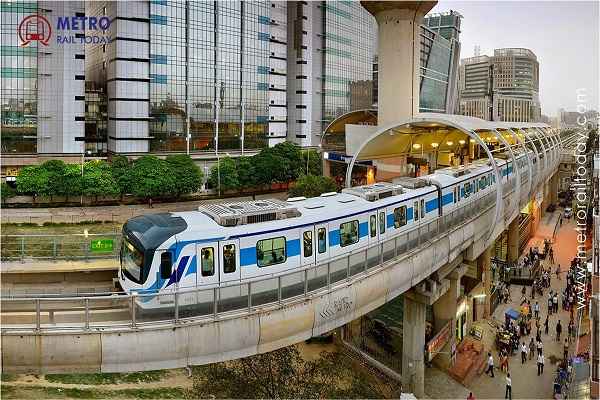 GMRL issues ₹1,662 crore Civil Tender for Sector 9–Cyber City Gurugram Metro Rail Corridor
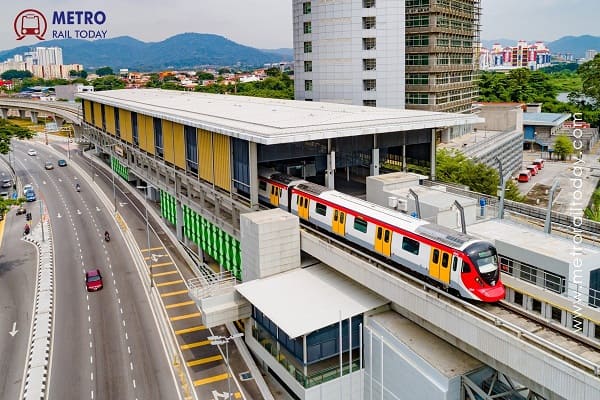 Madrid unveils €1.57 billion Metro Rail Expansion Programme with 27.8 km of New Corridors
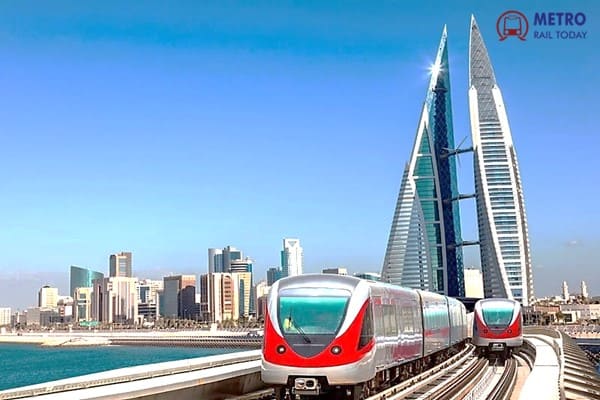 Global Tender launched for Project Management Consultancy for Abu Dhabi Tram Line 4
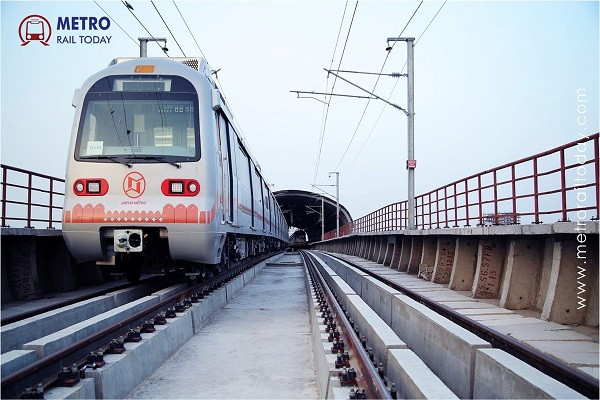 NV Dynamics awarded Noise and Vibration Study contract for Jaipur Metro Phase 2 Project
 Two global consortia bid for India’s 350 kmph High-Speed Rail Design consultancy contract
 Larsen & Toubro (L&T) extends Hyderabad Metro stake sale timeline to 31 December 2026
 Haryana Govt approves ₹1,662 crore construction tender for Gurugram Metro Phase 2
Mumbai Monorail likely to resume services in May after prolonged suspension
MRT Online Desk
Posted on: 2026-02-09 08:20:00
Viewer: 1,911
Comments: 0
Country: India
City: Mumbai
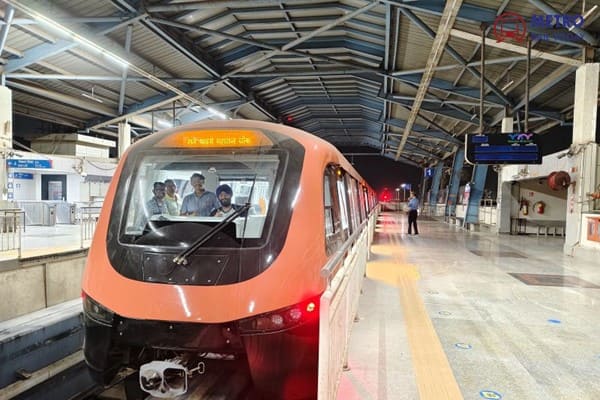
Mumbai, India (Metro Rail Today): The Mumbai Monorail is poised to resume operations by May 2026, with the Maha Mumbai Metro Operation Corporation Limited (MMMOCL) setting an internal deadline to recommission the long-stalled corridor. The 19.54-km Chembur–Wadala–Jacob Circle line has remained suspended since September 20, 2025, following recurring technical and engineering failures that led to a complete shutdown of services.
MMMOCL has directed Medha Servo Drives, which supplied 10 newly manufactured monorail rakes, to align all testing and system readiness activities with the targeted relaunch date. Comprehensive testing of rolling stock, signalling and telecommunication systems, automatic fare collection gates, and passenger information systems is currently in progress. An independent safety audit commenced earlier this month as part of the recommissioning protocol.
However, the restart remains contingent upon regulatory clearance. Approval from a serving or retired Commissioner of Metro Railway Safety is required before commercial services can resume. Sources indicate that MMMOCL and its parent body, the Mumbai Metropolitan Region Development Authority, have sought relaxation under the Indian Tramways Act, 1886, which does not currently permit certification by the CMRS. The state government’s decision on this request is awaited.
In parallel, MMMOCL has finalised a new private operator for the system’s operations and maintenance. Hyderabad-based Power Mech Projects Ltd emerged as the lowest bidder with a quote of ₹296.4 crore, surpassing Adani Infrastructure Management Services Ltd, which bid ₹308.4 crore. Power Mech is expected to assume operational responsibilities once services recommence.
Before its suspension, the monorail carried an average of 18,000 passengers daily, with ridership touching nearly 20,000 during the monsoon season. Despite its modest patronage compared to suburban rail and metro services, the corridor remains an important feeder link in Mumbai’s eastern suburbs.
Safety concerns continue to cast a shadow over the revival plan. On November 5, 2025, during a post-suspension trial run, one of the newly inducted trains derailed near the Wadala depot, injuring three individuals. Preliminary investigations attributed the incident to a mix of human error and systemic deficiencies, underscoring the need for stringent oversight before resumption.
Since its launch in February 2014, the Mumbai Monorail has grappled with persistent operational challenges. Initially, Malaysian firm Scomi Engineering was contracted to supply 15 rakes, but disputes with the Larsen & Toubro–Scomi consortium resulted in the non-delivery of five trainsets. Under the current revival strategy, 12 rakes are planned to be operational, with two maintained as standby units and four designated for scheduled maintenance cycles.
Commenting on the development, Mrs. Mamta Shah, MD & CEO, Urban Infra Group, said, “The planned revival of Mumbai Monorail reflects the importance of ensuring asset optimisation in urban transport systems. However, long-term sustainability will depend on robust maintenance practices, transparent safety compliance, and operational accountability. Public confidence can only be restored through consistent performance and strict regulatory adherence.”

MRT Online Desk
Metro Rail Today is an authentic and global news provider for the Rail & Metro industry from and around the world.