


Trending Now
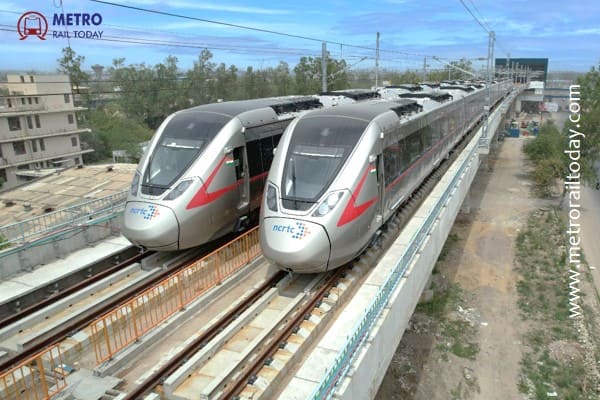 Karnataka proposes 270-km RRTS Network linking Bengaluru with Tumakuru, Mysuru and KGF
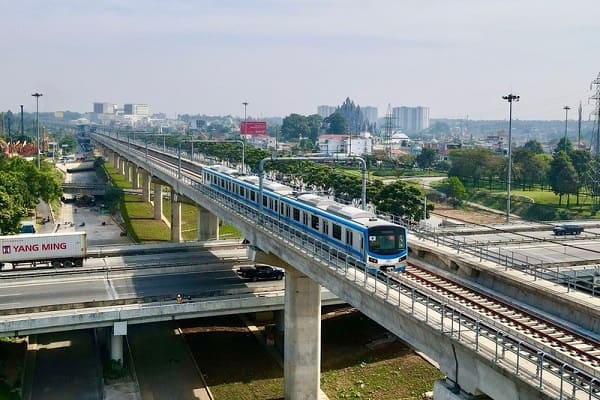 Alstom and Vingroup sign MoU to supply up to 200 Metro Trains for Hanoi Urban Rail Projects
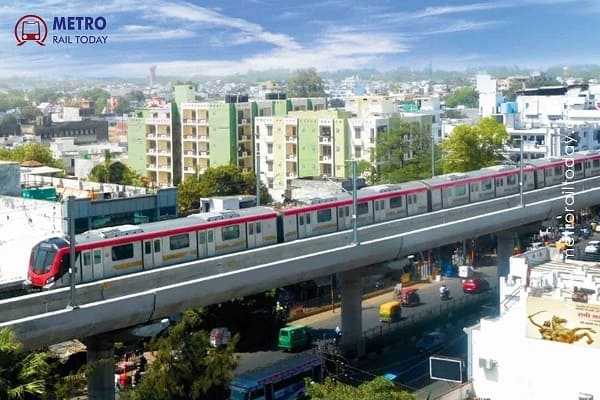 Afcons Infrastructure wins ₹1,383 crore Civil Contract for Lucknow Metro Phase 1B Corridor
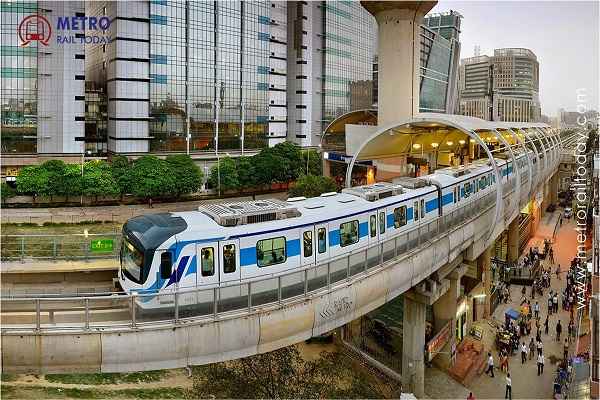 GMRL issues ₹1,662 crore Civil Tender for Sector 9–Cyber City Gurugram Metro Rail Corridor
 Madrid unveils €1.57 billion Metro Rail Expansion Programme with 27.8 km of New Corridors
 Global Tender launched for Project Management Consultancy for Abu Dhabi Tram Line 4
 NV Dynamics awarded Noise and Vibration Study contract for Jaipur Metro Phase 2 Project
 Two global consortia bid for India’s 350 kmph High-Speed Rail Design consultancy contract
 Larsen & Toubro (L&T) extends Hyderabad Metro stake sale timeline to 31 December 2026
 Haryana Govt approves ₹1,662 crore construction tender for Gurugram Metro Phase 2
HCC bags ₹2,566 Crore Civil Contracts for Patna Metro's Underground Corridor
MRT Online Desk
Posted on: 2025-09-22 16:30:00
Viewer: 2,044
Comments: 0
Country: India
City: Patna
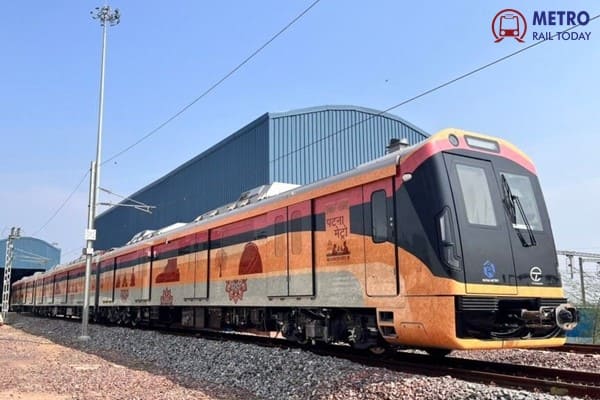
Patna, India (Metro Rail Today): In a major breakthrough for urban transport infrastructure in Bihar, Hindustan Construction Company (HCC) has been awarded two high-value civil construction contracts by the Patna Metro Rail Corporation Limited (PMRCL). The contracts, collectively valued at ₹2,566 crore, cover a 10.67-kilometre underground stretch between Rukanpura Ramp and Mithapur Ramp as part of Patna Metro Phase 1.
This underground section forms a critical component of the city’s first metro project, which spans a total length of 30.91 km across two corridors. The scope of the awarded work includes the construction of twin tunnels using Tunnel Boring Machines (TBMs) and six underground metro stations, including some at high-density nodes like Patna Junction, Patna Zoo, and Vidyut Bhawan.
The project is being executed under two separate packages. Package PC-05, worth ₹1,418.3 crore, includes construction of the stations at Vikas Bhawan, Vidyut Bhawan, and Patna Junction. Package PC-06, valued at ₹1,147.51 crore, will cover the stations at Rukanpura, Raja Bazar, and Patna Zoo. The contracts also include architectural finishing, water supply systems, and sanitary and drainage works across all six stations.
HCC’s appointment for this technically complex underground work is being seen as a major boost to the timely execution of the project. With extensive experience in executing challenging metro and tunnel projects across India, HCC is expected to bring both speed and quality to Patna’s long-awaited metro infrastructure.
Mrs. Mamta Shah, Managing Director & CEO of Urban Infra Group, welcomed the development and said:
“This is a defining moment for Patna’s transformation into a modern metro city. The successful awarding of these key underground contracts is not just a step forward in project execution, but also a symbol of rising infrastructure capacity in Tier-2 cities. HCC’s proven track record will ensure high standards of engineering and safety. As a long-time advocate of sustainable urban mobility, I believe the Patna Metro will redefine how the city moves and breathes.”
The underground corridor is set to greatly ease congestion on some of Patna’s busiest arterial roads. The alignment will pass through key educational, commercial and administrative hubs, and once completed, it will significantly cut travel time while offering a clean, safe, and efficient public transit alternative.
Mr. Arjun Dhawan, Vice Chairman and Managing Director of HCC, also congratulated the team and remarked:
“This win strengthens HCC’s position in India’s metro infrastructure sector and reaffirms our commitment to delivering complex, high-impact urban transit projects. We are proud to be a part of Patna’s transformation into a modern, connected city.”
The route between Rukanpura and Mithapur will be fully underground and is considered one of the most technically demanding segments of the Patna Metro due to the high population density and complex underground utilities. The use of TBMs will ensure minimal surface disruption while maintaining accuracy in alignment and tunneling safety.
Work on these packages is expected to commence shortly, with preliminary preparations already underway. Once operational, the corridor will provide seamless integration with other parts of the network, serving as a backbone for the city’s future urban mobility plans.
Patna joins a growing list of Indian cities modernising their transport systems through metro rail. With projects like this, the city is poised to take a major leap forward in infrastructure and economic growth.


MRT Online Desk
Metro Rail Today is an authentic and global news provider for the Rail & Metro industry from and around the world.