

Trending Now
 How Indigenous Engineering and Japanese Technology are transforming India's first Bullet Train?
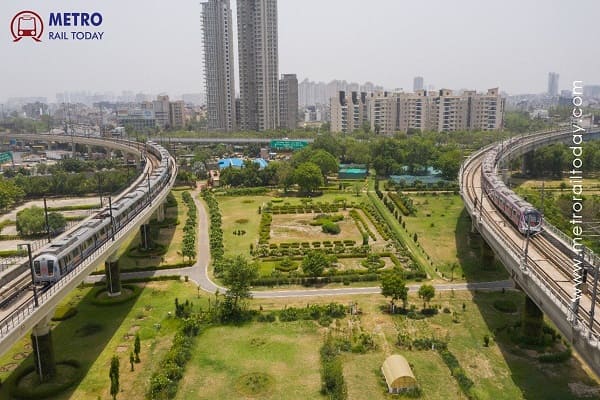 India's Metro Rail Network set to cross 2000-km mark soon, become second largest in World
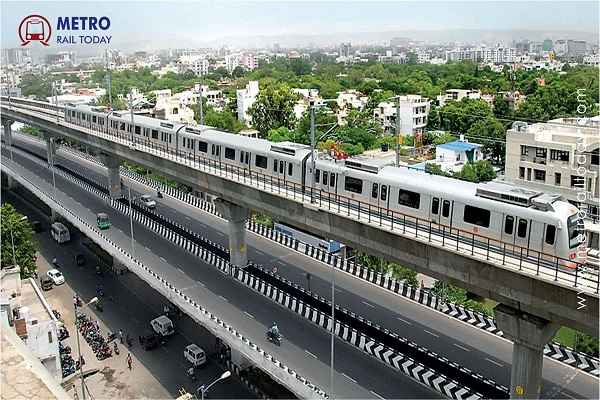 Alstom to deploy DTG Signalling System for Jaipur Metro’s 5.2-km Phase-1 Extension
 RVNL floats ₹297.45-crore Power Systems Tender for Kolkata Metro Purple Line
 Siemens Mobility awarded $772 million Trainset Contract for California High-Speed Rail Project
 RITES submits fresh DPR to UPMRC for ₹12,000 crore Prayagraj Metro Rail Project
 Paras Railtech wins ₹84.72 crore Ballastless Track Contract for Jaipur Metro Rail Project
 Indian Railways announces 3,548 Graduate-Level Vacancies under NTPC Recruitment 2026
 European Union sanctions €10 million to support extension of Hanoi Metro Line 3
 GMRC issues ₹683 crore Tender for construction of 8.68 km stretch for Ahmedabad Metro
India's Metro Rail Network set to cross 2000-km mark soon, become second largest in World
MRT Online Desk
Posted on: 2026-10-25 17:00:00
Viewer: 112
Comments: 0
Country: India
City: Bhubaneswar
Bhubaneswar, India (Rail & Metro Today): India’s metro rail network is expected to cross the 2,000-km milestone in the coming years, positioning the country as the world’s second-largest metro network after China, according to Union Minister of State for Housing and Urban Affairs Tokhan Sahu. The announcement highlights the rapid expansion of urban rail infrastructure and the government’s continued focus on improving public transport in cities.
Speaking at the inauguration of the 19th Urban Mobility India (UMI) Conference and Expo 2026 in Bhubaneswar on Friday, Sahu said India’s operational metro network had expanded significantly over the past decade. From just 248 km across five cities before 2014, the network has grown to more than 1,185 km across over 26 cities.
The minister added that approximately 1.5 crore passengers travel by metro every day, underlining the growing importance of urban rail in India’s public transport system. With another 1,000 km of metro lines under development, the country is moving towards a major expansion of its mass rapid transit infrastructure.
Bhubaneswar Metro Proposal Under Assessment
Addressing the proposed metro rail project in Bhubaneswar, Sahu said the Ministry of Housing and Urban Affairs was assessing the city’s population and travel demand before deciding on the way forward.
The minister’s remarks indicate that the proposal remains under consideration, with further decisions expected to depend on the assessment of urban growth and passenger requirements. Bhubaneswar and its surrounding urban areas have been experiencing development pressures that make efficient, integrated public transport an important planning priority.
Any future metro proposal will need to be evaluated in the context of projected ridership, financial viability, connectivity with existing transport services and the city’s long-term development plans.
Urban Mobility Key to India’s Economic Growth
Highlighting the wider importance of urban transport, Sahu said cities are major engines of economic growth. While around 35 per cent of India’s population lives in urban areas, these areas contribute nearly 60 per cent of the country’s economy, reinforcing the need for planned urban development and efficient mobility systems.
He also highlighted the role of sustainable public transport initiatives, including the PM-eBus Sewa programme, which aims to strengthen urban bus services. According to the minister, the initiative is also contributing to carbon-credit generation. Odisha’s Ama Bus service was cited as a model for improving public transport.
The conference is providing a platform for policymakers, urban planners, transport agencies and industry stakeholders to discuss innovative approaches to making cities more accessible, inclusive and environmentally sustainable. The discussions also align with the broader objectives of Atmanirbhar Bharat by encouraging domestic capabilities and innovation in urban transport.
Focus on Integrated and Sustainable Transport
The rapid growth of India’s metro network reflects a broader transformation in urban mobility, with cities increasingly investing in high-capacity public transport to address congestion, improve accessibility and support economic activity.
However, expanding metro infrastructure will require continued investment in project execution, multimodal integration, last-mile connectivity and sustainable operations. Coordinating metro systems with buses, walking infrastructure and other transport modes will be essential to maximise passenger benefits.
As India continues to develop new metro corridors and expand existing networks, the proposed 2,000-km milestone represents a significant marker in the country’s urban transport journey. The pace of future expansion will depend on project approvals, funding, construction progress and the ability of cities to develop integrated mobility systems around growing passenger demand.

MRT Online Desk
Metro Rail Today is an authentic and global news provider for the Rail & Metro industry from and around the world.