


Trending Now
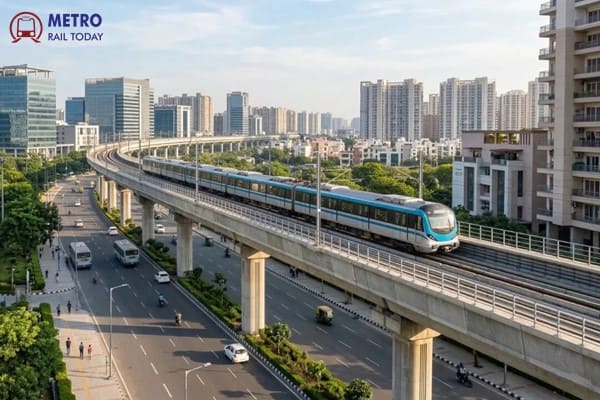 RITES submits fresh DPR to UPMRC for ₹12,000 crore Prayagraj Metro Rail Project
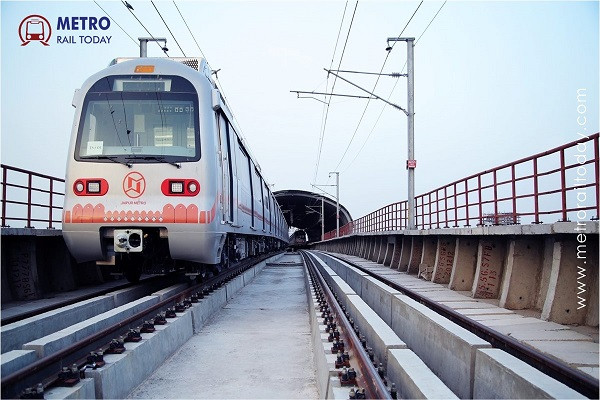 Paras Railtech wins ₹84.72 crore Ballastless Track Contract for Jaipur Metro Rail Project
 Indian Railways announces 3,548 Graduate-Level Vacancies under NTPC Recruitment 2026
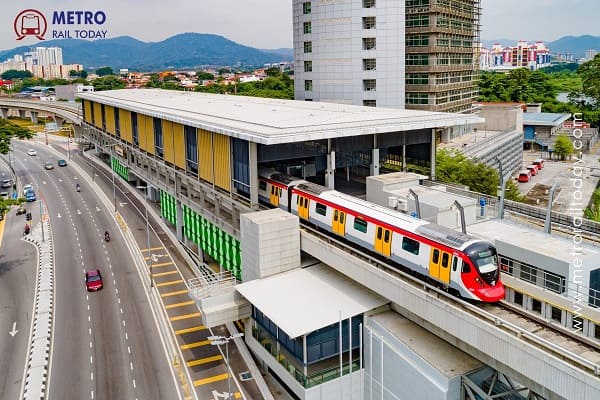 European Union sanctions €10 million to support extension of Hanoi Metro Line 3
 GMRC issues ₹683 crore Tender for construction of 8.68 km stretch for Ahmedabad Metro
- GMRC launches ₹439 crore Tender for construction of 5 New Ahmedabad Metro Stations
 Global tender issued for procurement of 60 Rolling Stock coaches for Hyderabad Metro Rail Project
 Global tender issued for procurement of 102 Rolling Stock coaches for Patna Metro Rail Project
 Gamuda awarded RM3.7 billion contract to build Keelung Mass Rapid Transit in Taiwan
 Maharashtra forms special Task Force to plan Rail, Metro and RRTS expansion
RITES submits fresh DPR to UPMRC for ₹12,000 crore Prayagraj Metro Rail Project
MRT Online Desk
Posted on: 2026-10-22 16:36:00
Viewer: 55
Comments: 0
Country: India
City: Allahabad
Prayagraj, India (Rail & Metro Today): The proposed Prayagraj Metro Rail project has moved a step closer to implementation, with railway consultancy firm RITES submitting a fresh Detailed Project Report (DPR) to the Uttar Pradesh Metro Rail Corporation (UPMRC). Estimated at around ₹12,000 crore, the proposed project envisages a full-fledged metro network connecting key residential areas, transport hubs and emerging urban development zones across the city.
The DPR will first require approval from the Uttar Pradesh government before being forwarded to the Central government for consideration. The project’s implementation will depend on the necessary approvals, funding arrangements and subsequent clearances.
The proposed metro network is expected to strengthen public transport in Prayagraj, a rapidly developing urban centre with significant religious, educational and commercial importance. Improved mass transit connectivity could help address growing travel demand, reduce pressure on roads and support the city’s long-term urban development.
Two Corridors to Connect Key Areas of Prayagraj
The latest DPR retains two proposed corridors for the city. The first corridor will connect Shantipuram with Chheoki in Naini, while the second will link Jhunsi with Prayagraj Airport and the proposed Aerocity development.
According to information reported by The Times of India, Prayagraj Development Authority Vice-Chairman Rishiraj, who is serving as the nodal officer for the metro project, said the Jhunsi–Bamrauli route had been extended to the airport in the latest proposal.
The revised plan also incorporates a ropeway station at Parade, where the two proposed metro corridors are expected to intersect. The integration could provide an opportunity to connect different public transport modes and improve passenger access to important parts of the city.
The inclusion of the airport and proposed Aerocity area is particularly significant for future connectivity, as these developments could generate additional passenger demand and create new links between the city, its transport infrastructure and emerging commercial zones.
From MetroLite to a Full-Fledged Metro System
The Prayagraj metro proposal has undergone several revisions over the past few years. An initial DPR was prepared for a full-fledged metro rail system. However, following directions from the state government, RITES subsequently prepared a MetroLite proposal featuring smaller stations and a lighter infrastructure model.
The proposal was reviewed again after UPMRC suggested reconsidering a full-fledged metro system. RITES conducted another survey last year to prepare a fresh DPR, which has now been submitted to UPMRC.
The latest submission marks an important planning milestone, but it does not mean that construction has been approved or that work will begin immediately. The project must pass through state-level and central-level approval processes, followed by decisions on financing and implementation.
Approvals Will Determine the Next Phase
If approved, the proposed network could become a major addition to Prayagraj’s urban transport infrastructure. A well-integrated metro system could improve access to residential neighbourhoods, employment centres, the airport and other important destinations while supporting more sustainable urban mobility.
The project’s eventual success will depend on factors such as passenger demand, corridor alignment, integration with existing transport services, construction costs and long-term financial sustainability. Coordination between the state government, the Centre, UPMRC and local planning authorities will be essential to move the proposal from planning to execution.
For now, the submission of the fresh DPR represents a significant step towards establishing a full-fledged metro network in Prayagraj. The next major milestone will be the state government’s decision on the proposal, followed by central approval and finalisation of funding arrangements.


MRT Online Desk
Metro Rail Today is an authentic and global news provider for the Rail & Metro industry from and around the world.