


Trending Now
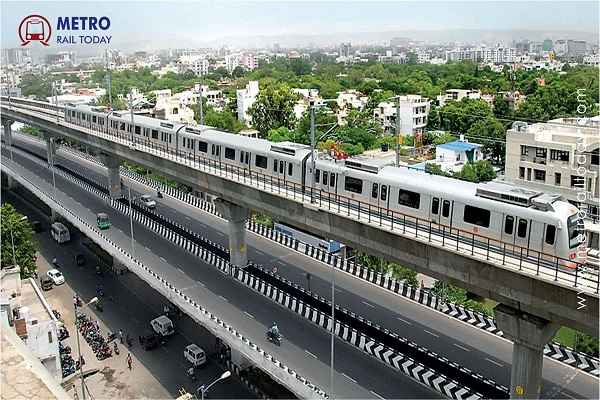 Alstom to deploy DTG Signalling System for Jaipur Metro’s 5.2-km Phase-1 Extension
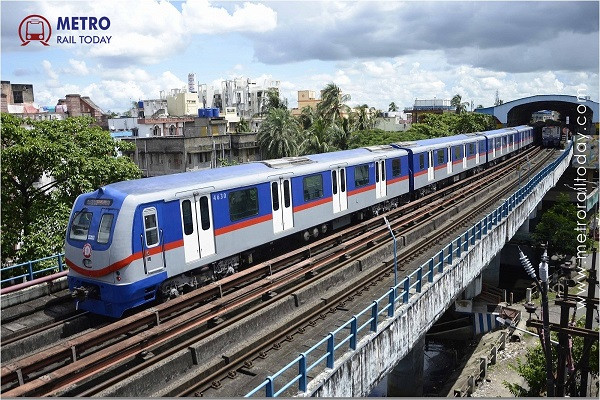 RVNL floats ₹297.45-crore Power Systems Tender for Kolkata Metro Purple Line
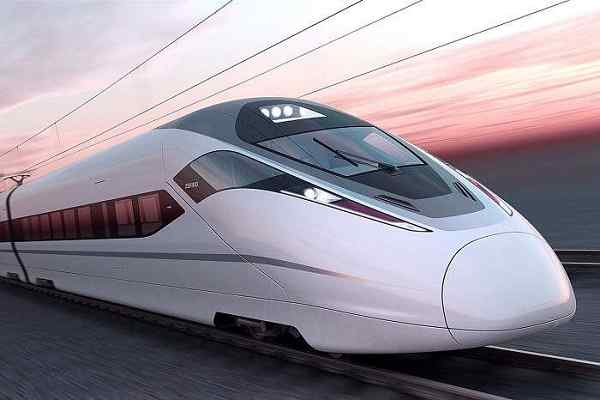 Siemens Mobility awarded $772 million Trainset Contract for California High-Speed Rail Project
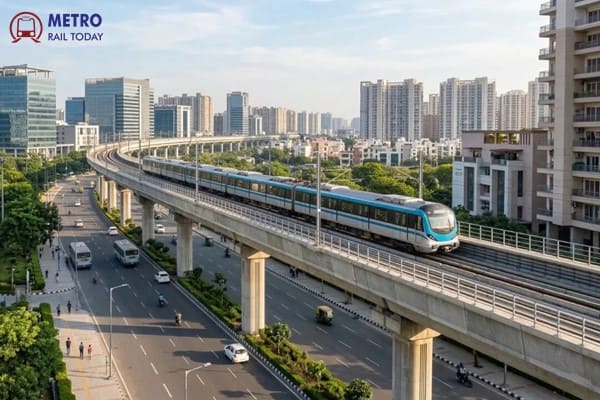 RITES submits fresh DPR to UPMRC for ₹12,000 crore Prayagraj Metro Rail Project
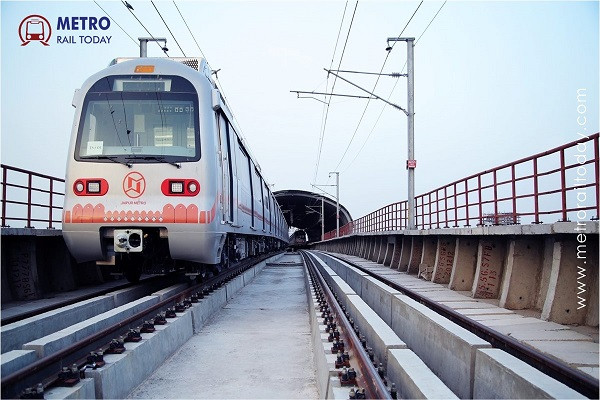 Paras Railtech wins ₹84.72 crore Ballastless Track Contract for Jaipur Metro Rail Project
 Indian Railways announces 3,548 Graduate-Level Vacancies under NTPC Recruitment 2026
 European Union sanctions €10 million to support extension of Hanoi Metro Line 3
 GMRC issues ₹683 crore Tender for construction of 8.68 km stretch for Ahmedabad Metro
- GMRC launches ₹439 crore Tender for construction of 5 New Ahmedabad Metro Stations
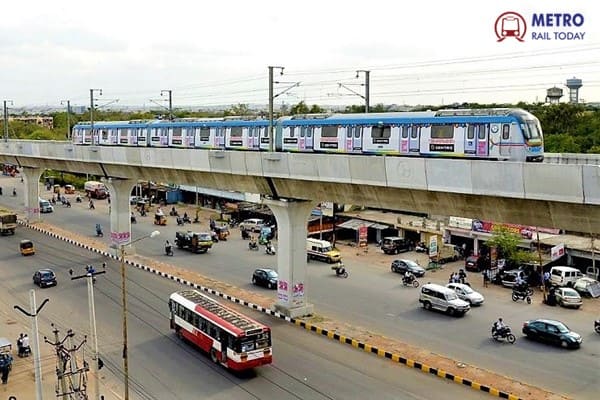 Global tender issued for procurement of 60 Rolling Stock coaches for Hyderabad Metro Rail Project
Alstom to deploy DTG Signalling System for Jaipur Metro’s 5.2-km Phase-1 Extension
MRT Online Desk
Posted on: 2026-10-23 16:35:00
Viewer: 83
Comments: 0
Country: India
City: Jaipur
Jaipur, India (Rail & Metro Today): Alstom is set to strengthen its partnership with Jaipur Metro Rail Corporation (JMRC) through the deployment of its DTG signalling system and an upgraded Automatic Train Supervision (ATS) system for the proposed 5.2-km extension of Jaipur Metro Phase-1. The project will support the expansion of Jaipur’s urban rail network, with signalling and train supervision technologies playing a key role in managing operations across the extended system.
The planned extension covers two sections: Galta Gate to Transport Nagar and Mansarovar to Ajmer Road Chauraha. Together, these sections form part of Jaipur’s ongoing efforts to expand metro connectivity and strengthen its public transport infrastructure.
DTG Signalling to Support Metro Operations
Under the project, Alstom will deploy its DTG signalling solution to support train operations on the extended sections. Signalling technology is fundamental to metro safety and operational efficiency, helping regulate train movements and maintain the required separation between trains in accordance with system design and operating rules.
The deployment builds on Alstom’s existing relationship with JMRC and adds to the company’s involvement in India’s expanding urban rail sector. As metro networks extend into new areas, integrating signalling technology with existing infrastructure becomes increasingly important for maintaining consistent operational standards.
The project will combine the signalling deployment with an upgrade to the ATS system, which enables operators to monitor and supervise train movements across the network.
Upgraded ATS System to Enhance Operational Supervision
The upgraded Automatic Train Supervision system will form a key part of the technology package. ATS platforms help metro control centres monitor train positions, track service movements and coordinate operations in line with the planned timetable.
Integrating the upgraded system with the signalling infrastructure is intended to support the operational management requirements of Jaipur Metro’s expanding network. Effective coordination between signalling and train supervision systems is particularly important as additional sections are incorporated into an existing metro corridor.
The final operational benefits will depend on the system configuration, integration with existing infrastructure and the operating arrangements adopted by JMRC.
Two Sections Included in the Expansion
The 5.2-km project comprises the Galta Gate–Transport Nagar section and the Mansarovar–Ajmer Road Chauraha section. The proposed works will extend metro infrastructure to additional locations in Jaipur, supporting the city’s wider urban transport development.
However, the available project information does not specify the expected commissioning date, projected passenger numbers or detailed service-frequency plans. These details will be important in assessing the extension’s eventual contribution to passenger connectivity.
Alstom’s Role in India’s Urban Rail Development
The project highlights the importance of advanced signalling and operational management technologies in the development of urban rail systems. As Indian cities continue to invest in metro infrastructure, technology providers are increasingly involved in supporting both network expansion and the modernisation of existing systems.
For Jaipur Metro, the planned extension combines physical network development with signalling and supervision upgrades. For Alstom, it represents a further opportunity to support the city’s metro infrastructure through its railway technology portfolio.
Successful delivery and integration of the systems will be essential to ensuring that the new sections can operate reliably alongside the existing network. The project’s progress will therefore be closely linked to infrastructure readiness, system testing and the completion of the required operational approvals.

MRT Online Desk
Metro Rail Today is an authentic and global news provider for the Rail & Metro industry from and around the world.