


Trending Now
 Exclusive Interview with Champak Panda, Managing Director, Rolling Stock & Components, Alstom India
 Delhi Metro invites Expression of Interests to manufacture Platform Screen Doors in India
 NMRC to appoint General Consultant for Noida-Greater Noida Aqua Line Metro Expansion
 NHSRCL launches Five Heavy Portal Beams on Mumbai-Ahmedabad Bullet Train Project
 Bihar pushes Patna Metro Rail Project, explores Ultra Pod Taxi to link Airport
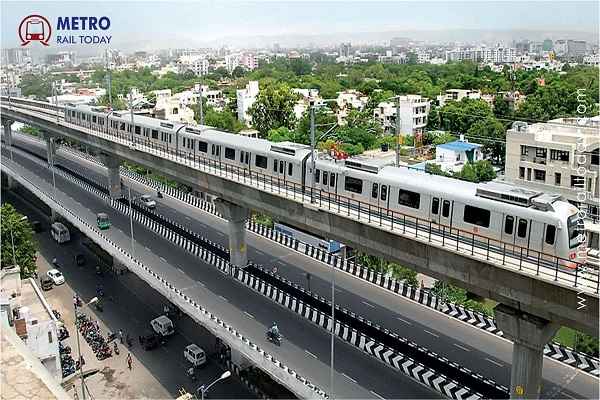 Ceigall India-led JV awarded ₹918 crore civil contract for Jaipur Metro Phase 2 Project
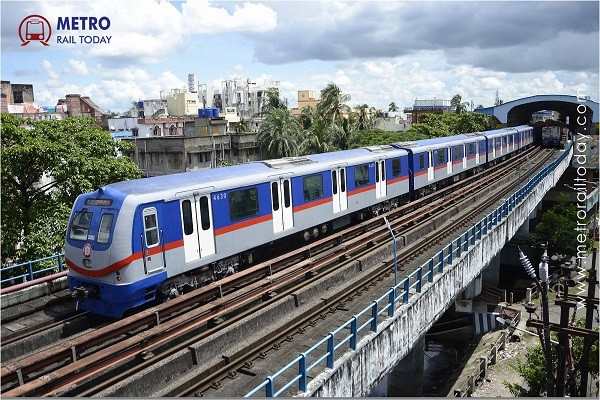 Railway Ministry sanctions ₹895 crore to upgrade Traction and Power Systems of Kolkata Metro
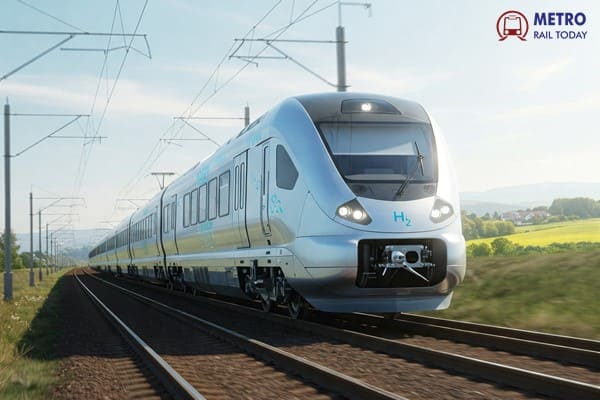 India tests First Hydrogen Train on Jind–Sonipat Route, Marks leap towards Green Rail Mobility
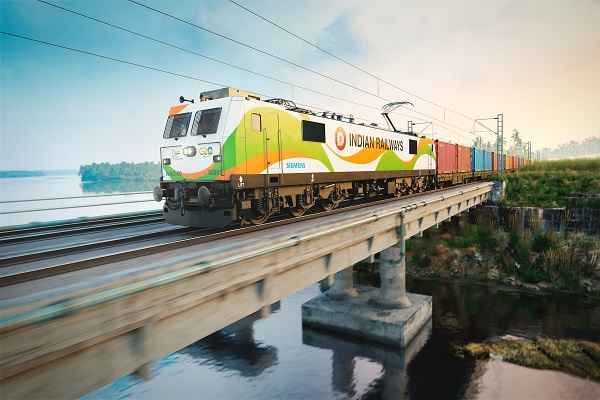 Siemens hands over first set of 9000 HP e-locomotives to Indian Railways for commercial operations
 Global Tender issued for 45 Metro Coaches and Advanced Signalling for Lucknow Metro Expansion
Maharashtra approves Two New Corridors worth ₹5,704 crore under Pune Metro Phase 2
MRT Online Desk
Posted on: 2025-11-05 08:00:00
Viewer: 2,494
Comments: 0
Country: India
City: Pune
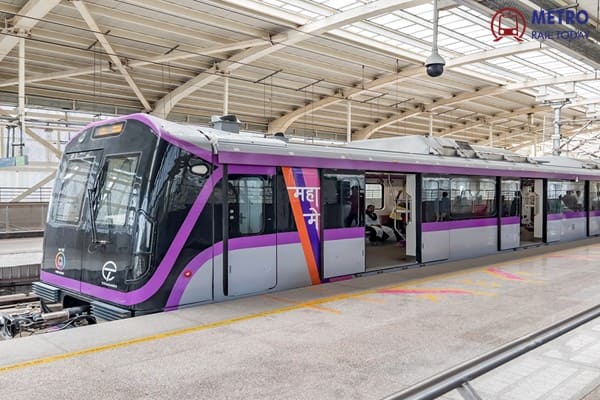
Pune, India (Metro Rail Today): In a major push to strengthen Pune’s urban mobility network, the Maharashtra Cabinet Infrastructure Committee, chaired by Chief Minister Devendra Fadnavis, has approved the implementation of two new metro corridors under the Pune Metro Phase-2 project.
The newly sanctioned lines — Hadapsar to Loni Kalbhor and Hadapsar Bus Depot to Saswad Road — will form critical extensions of the broader Khadakwasla–Swargate–Hadapsar–Kharadi Metro Line, aiming to enhance last-mile connectivity and reduce traffic congestion in eastern Pune.
According to the official announcement, the two extensions will span a total of 16 kilometres, featuring 14 elevated stations, and will be implemented by the Maharashtra Metro Rail Corporation Limited (Maha Metro).
The project is estimated to cost ₹5,704 crore and will be fully elevated — ensuring faster construction timelines and minimal land acquisition challenges.
Deputy Chief Minister Ajit Pawar, who also serves as the Guardian Minister of Pune district, confirmed the approval, adding that he had been “closely pursuing the proposal” for several months.
“These new corridors will significantly ease traffic congestion and improve accessibility between Pune’s rapidly growing suburbs such as Hadapsar, Fursungi, Loni Kalbhor, and Saswad. The extensions will not only decongest arterial roads but also contribute to reduced vehicular emissions and a more sustainable urban environment,” Pawar said.
The Maharashtra government has also directed agencies to expedite construction on the ongoing Hinjawadi–Shivajinagar Metro Line 3, which is being developed through a public-private partnership (PPP) model by Pune Metropolitan Region Development Authority (PMRDA).
Out of the 23 proposed stations on Line 3, work has been completed on 10 stations, while Chief Minister Devendra Fadnavis has instructed the PMRDA and its concessionaire to ensure that the remaining 13 stations are finished by March 2026.
The newly approved corridors under Pune Metro Phase-2 are expected to seamlessly integrate with existing and upcoming lines, offering improved interconnectivity across the Swargate, Hadapsar, and Kharadi corridors — regions witnessing rapid residential and commercial growth.
The extension of the metro network marks another milestone in Pune’s transformation into a transit-oriented, sustainable urban hub. The Phase-2 expansion aligns with the government’s commitment to promoting clean mobility, reducing carbon emissions, and providing citizens with safer and faster travel options.
The new metro corridors will also act as catalysts for economic activity and real estate development along the routes, especially in eastern Pune, which has emerged as one of the city’s fastest-growing zones.
“The approval of Pune Metro Phase-2 corridors demonstrates Maharashtra’s commitment to expanding sustainable transport infrastructure beyond city centres,” said Mrs. Mamta Shah, MD & CEO of Urban Infra Group. “However, for Pune to truly become a model urban transit city, metro expansion must go hand-in-hand with integrated land-use planning, multimodal connectivity, and seamless integration with suburban and bus networks.”
With the green light for Phase-2 corridors, Pune’s total metro network is set to cross 55 km, transforming daily commutes for lakhs of residents. As the Maha Metro gears up to begin construction, stakeholders are optimistic that the new lines will deliver a long-term solution to the city’s traffic challenges and pave the way for a more connected, sustainable, and commuter-friendly Pune.


MRT Online Desk
Metro Rail Today is an authentic and global news provider for the Rail & Metro industry from and around the world.