


Trending Now
 Skoda Group Eyes Entry into Serbian Rail Market, Signs MoU for Potential Production Facility
 India unveils draft National Water Metro Policy 2026 to expand Urban Water Transport
 Rewriting Regional Mobility with India’s first Namo Bharat Corridor
 Hyderabad plans Pod Taxi System to enhance Last-Mile Connectivity for Metro commuters
 Maharashtra to expand 200 kilometers metro rail network across Pune and Pimpri-Chinchwad
- Govt of India explores Namo Bharat Rapid Rail to replace proposed Cuttack–Bhubaneswar Metro Project
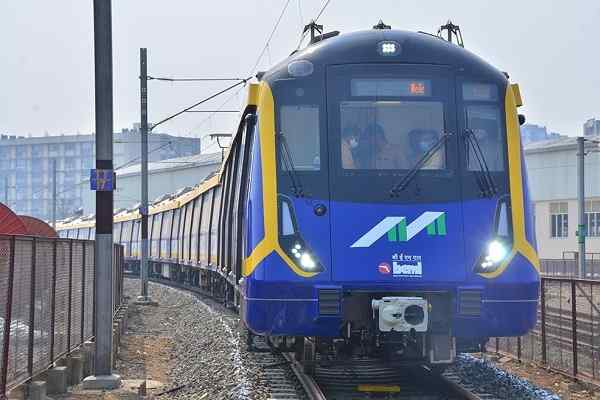 Global tender floated for Automatic Fare Collection System for Mumbai Metro Line 6
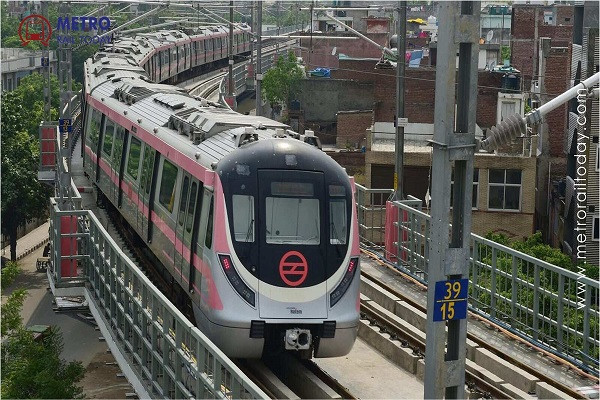 Delhi Metro secures 6th rank among largest metro rail systems in the world by network length
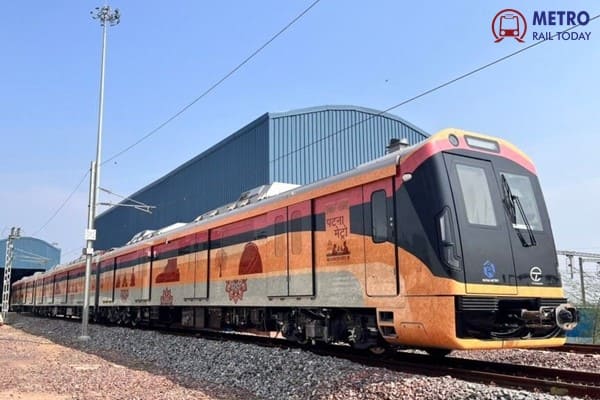 Indian Railways grants NOC to resume tunnelling works on Patna Metro Corridor 2
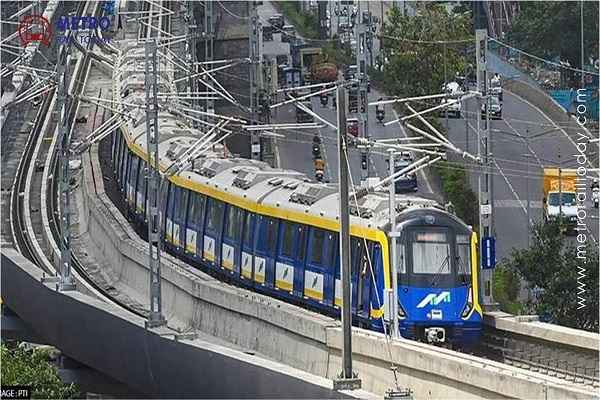 Efkon India Bags ₹103 Crore Telecom Systems Contract for Mumbai Metro Lines 7A and 9
Maharashtra Govt approves two new corridors under Mumbai Metro Rail Project
MRT Online Desk
Posted on: 2025-08-19 17:30:00
Viewer: 4,678
Comments: 0
Country: India
City: Mumbai
Mumbai, India (Metro Rail Today): In a major push to upgrade urban transit infrastructure, the Maharashtra Cabinet Committee on Infrastructure, chaired by Chief Minister Devendra Fadnavis, has approved the construction of two landmark projects: a 25-km elevated corridor connecting Thane with the upcoming Navi Mumbai International Airport (NMIA) and the underground Metro Line 11, linking Wadala Depot to the Gateway of India.
The decisions, announced following a high-level cabinet meeting on Tuesday, signal the government’s commitment to seamless intercity and multimodal connectivity across the Mumbai Metropolitan Region (MMR) and beyond.
Thane–Navi Mumbai Airport Elevated Corridor
The 25-kilometre elevated corridor is designed to offer direct connectivity between Thane City and the under-construction Navi Mumbai International Airport, dramatically cutting travel time and easing congestion on existing routes such as the Sion–Panvel Expressway and Thane–Belapur Road.
This corridor is expected to:
-
Serve as a vital link for airport-bound traffic from Thane and adjoining suburbs
-
Improve freight and passenger movement from industrial belts in Bhiwandi and Kalyan
-
Integrate with future Metro lines and bus rapid transit systems in MMR
-
Support economic zones near the NMIA aerotropolis
Mrs. Mamta Shah, MD & CEO, Urban Infra Group, commented on the announcement, “The Thane–NMIA corridor will be a game-changer for east-west connectivity in the region. It reflects forward-thinking infrastructure planning that supports both urban mobility and economic logistics. Linking emerging residential clusters directly to a world-class airport also unlocks enormous real estate and commercial potential.”
Mumbai Metro Line 11: Wadala Depot to Gateway of India
The Cabinet also approved the long-awaited Metro Line 11, an underground extension of the existing Metro Line 4 (Wadala–Kasarvadavali). Stretching from Wadala Depot to the Gateway of India, this corridor will provide metro access to some of Mumbai’s most historic and high-traffic urban zones, including South Mumbai’s business and tourist hubs.
Once completed, Metro Line 11 will:
-
Offer a direct north-south metro route from Thane to the southern tip of Mumbai
-
Relieve pressure on the overcrowded suburban railways
-
Enhance access to key landmarks such as CST, Fort, Colaba, and the Gateway of India
-
Support last-mile integration with ferry terminals and heritage districts
The line is set to feature multiple underground stations, including interchanges with existing Metro and suburban rail systems, making it a key cog in Mumbai’s future multimodal transport network.
Maharashtra’s Broader Infrastructure Push
In addition to these two marquee projects, the Cabinet Committee on Infrastructure also reviewed and cleared other proposals aimed at enhancing connectivity and livability in cities like Pune, Nagpur, Thane, and Navi Mumbai. The broader aim is to create smart, accessible, and sustainable urban corridors aligned with the state’s infrastructure roadmap and India’s urbanization goals under Viksit Bharat 2047.
Chief Minister Devendra Fadnavis, chairing the meeting, reiterated the state’s vision, “Maharashtra is committed to leading India’s infrastructure transformation. These projects will not only reduce commute time but also spur economic growth, investment, and job creation across urban and peri-urban areas.”
With approvals now in place, the next steps will involve detailed project reports (DPRs), financial structuring, and tendering for construction packages—expected to begin rolling out in early 2026.


MRT Online Desk
Metro Rail Today is an authentic and global news provider for the Rail & Metro industry from and around the world.