

Trending Now
 Siemens wins ₹91.65 crore Telecom Contract for Kochi Metro Phase 2 Pink Line
 GHV Infra wins ₹150 crore Civil Contract for Vasantkunj Depot of Lucknow Metro East-West Corridor
 Texmaco Rail wins ₹130 crore Track Contract for Kochi Metro Phase 2 Pink Line
 Indian Railways unveils Alignments and Routes of four new High Speed Bullet Train Corridors
 Telangana pushes for approval of ₹38,595 Crore Hyderabad Metro Phase-II Expansion
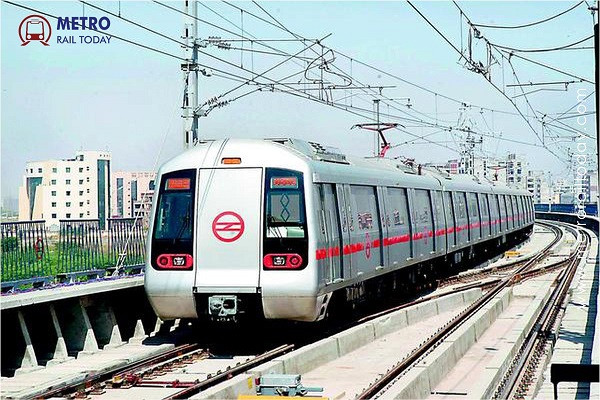 Boston Consulting Group appointed to prepare 10 years Corporate Plan for Delhi Metro
 Exclusive Interview with Champak Panda, Managing Director, Rolling Stock & Components, Alstom India
 Delhi Metro invites Expression of Interests to manufacture Platform Screen Doors in India
 NMRC to appoint General Consultant for Noida-Greater Noida Aqua Line Metro Expansion
- NHSRCL launches Five Heavy Portal Beams on Mumbai-Ahmedabad Bullet Train Project
Delhi Metro secures 6th rank among largest metro rail systems in the world by network length
MRT Online Desk
Posted on: 2026-03-16 06:15:00
Viewer: 1,538
Comments: 0
Country: India
City: New Delhi
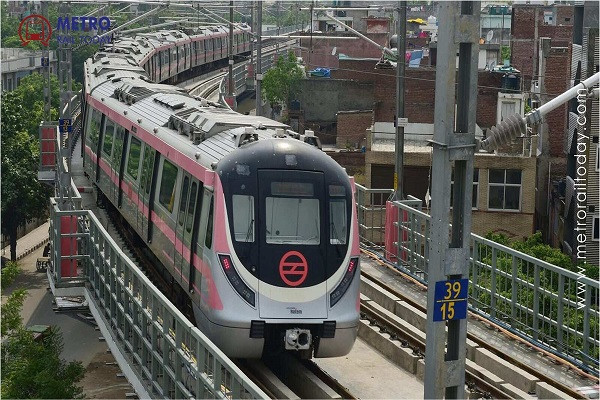
New Delhi, India (Metro Rail Today): With the inauguration of two new sections of the Delhi Metro on the Pink Line and Magenta Line on 8 March, the Delhi Metro Rail Corporation (DMRC) has further strengthened its position as India’s largest operational metro rail network and a key pillar of the country’s rapidly expanding urban rail ecosystem.
The latest expansion highlights the continued growth of metro systems across India, with the national operational metro network now exceeding 1,143 kilometres across 26 cities, making India the third-largest metro network in the world.
Out of the 1,143 km operational metro network in India, the Delhi–NCR region accounts for approximately 416 km, including 303 stations.
This includes integration with:
-
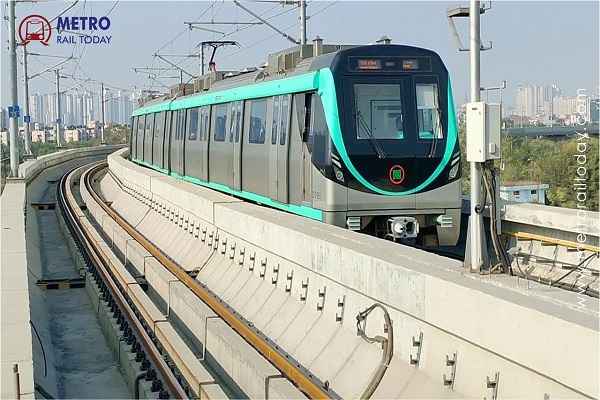
Noida–Greater Noida Metro: ~29 km with 21 stations
-
Rapid Metro Gurugram: ~13 km with 12 stations
Together, these systems provide seamless connectivity between Delhi, Noida, Greater Noida and Gurugram, forming one of the largest urban transit networks in the region.
Delhi Metro alone contributes over 55% of the total daily passenger journeys undertaken across metro systems in India.
The Delhi Metro currently operates 343 trains comprising 2,368 coaches, running approximately 4,508 train trips every day.
The network collectively covers around 1,40,112 train kilometres daily, maintaining high-frequency services and efficient connectivity across the National Capital Region.
DMRC also maintains an exceptional punctuality rate of about 99.9%, placing it among the most reliable metro systems in the world.
After facing disruptions during the COVID-19 pandemic between 2020 and 2022, the Delhi Metro network has witnessed a steady recovery and sustained growth in passenger numbers.
Passenger journey data for the past two years shows a clear upward trend:
-
2024: 2,283.5 million passenger journeys (around 223.5 crore), averaging 62.39 lakh passengers daily
-
2025: 2,358.03 million passenger journeys (around 235.8 crore), averaging 64.60 lakh passengers daily
The rising numbers demonstrate the growing reliance of commuters on the metro as a reliable and sustainable mode of urban transport.
During this period, the Delhi Metro also achieved several new ridership milestones.
-
The highest passenger count in 2024 was recorded on 18 November 2024, when 78,67,649 passengers travelled on the network in a single day.
-
This record was later surpassed on 8 August 2025, when the metro registered its highest-ever ridership of 81,87,674 passengers in a single day.
These figures underline the increasing demand for high-capacity public transport in the National Capital Region.
Commenting on the expansion, Mrs. Mamta Shah, MD & CEO, Urban Infra Group, said that Delhi Metro has played a transformative role in shaping urban mobility in India.
“Delhi Metro has set global benchmarks in reliability, scale, and operational efficiency. Its continued expansion and consistently high ridership demonstrate how well-designed metro systems can transform urban mobility, reduce congestion, and encourage sustainable public transport usage in large metropolitan regions,” she said.
The continued growth of the Delhi Metro network comes at a time when metro rail projects are expanding rapidly across India, with new systems being developed in several cities.
As the largest and most mature metro system in the country, Delhi Metro continues to serve as a model for planning, operations, and passenger experience, contributing significantly to India’s ambition of building modern, efficient, and sustainable urban transport networks.

MRT Online Desk
Metro Rail Today is an authentic and global news provider for the Rail & Metro industry from and around the world.