


Trending Now
 Siemens wins ₹91.65 crore Telecom Contract for Kochi Metro Phase 2 Pink Line
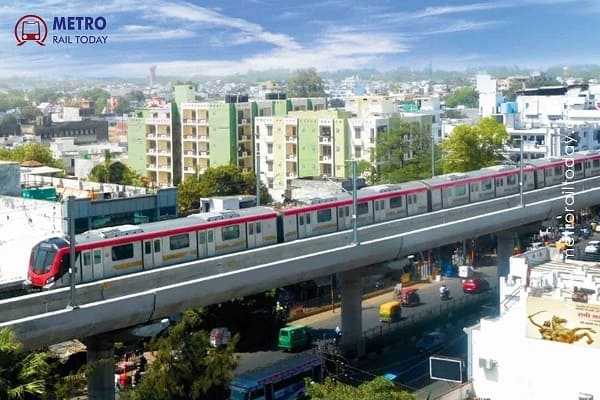 GHV Infra wins ₹150 crore Civil Contract for Vasantkunj Depot of Lucknow Metro East-West Corridor
 Texmaco Rail wins ₹130 crore Track Contract for Kochi Metro Phase 2 Pink Line
 Indian Railways unveils Alignments and Routes of four new High Speed Bullet Train Corridors
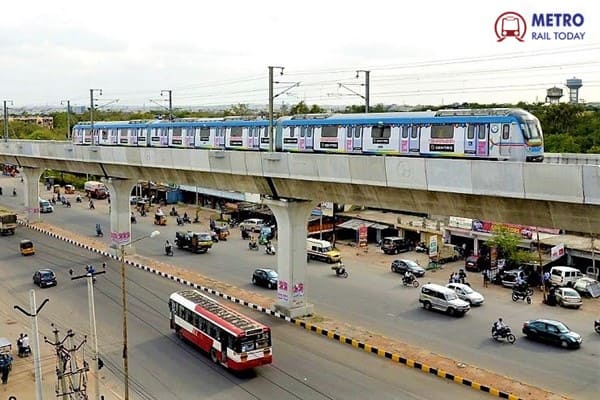 Telangana pushes for approval of ₹38,595 Crore Hyderabad Metro Phase-II Expansion
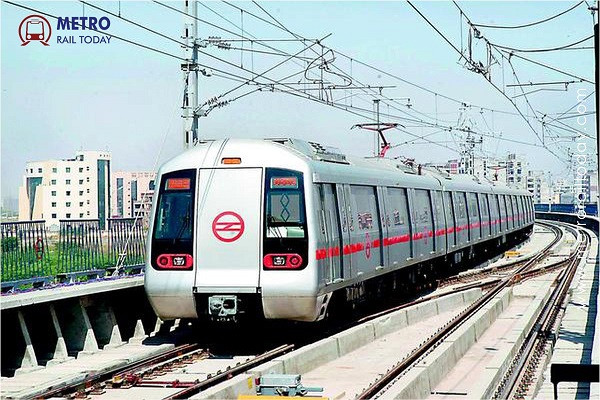 Boston Consulting Group appointed to prepare 10 years Corporate Plan for Delhi Metro
 Exclusive Interview with Champak Panda, Managing Director, Rolling Stock & Components, Alstom India
 Delhi Metro invites Expression of Interests to manufacture Platform Screen Doors in India
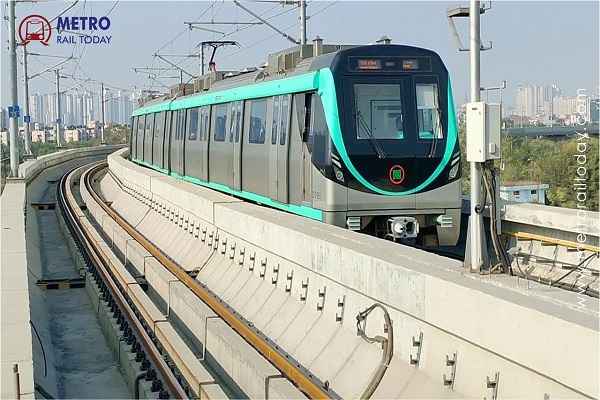 NMRC to appoint General Consultant for Noida-Greater Noida Aqua Line Metro Expansion
- NHSRCL launches Five Heavy Portal Beams on Mumbai-Ahmedabad Bullet Train Project
GHV Infra wins ₹150 crore Civil Contract for Vasantkunj Depot of Lucknow Metro East-West Corridor
MRT Online Desk
Posted on: 2026-05-08 15:50:00
Viewer: 67
Comments: 0
Country: India
City: Lucknow
Lucknow, India (Metro Rail Today): In a significant development for the Lucknow Metro expansion project, GHV Infra Projects Limited has emerged as the lowest bidder for the construction of a depot-cum-workshop at Vasantkunj on Hardoi Road for the East-West Metro Corridor. The contract, floated by the Uttar Pradesh Metro Rail Corporation (UPMRC), carries an estimated project cost of ₹150.21 crore.
According to sources, GHV Infra Projects Limited secured the top position with a bid value of ₹107.79 crore, nearly 28.24% lower than the estimated project cost. The project is expected to be completed within 18 months.
The tender was issued under reference number LKCC(02)-01 and attracted participation from several infrastructure firms, reflecting strong competition in India’s rapidly growing metro construction sector.
Financial positions of each bidder are as under:-
- GHV India Pvt. Ltd.: ₹107.8 Crore (L1) (-28.24%)
- Quality Buildcon Pvt. Ltd.: ₹111.9 Crore (L2) (-25.47%)
- VASCON Engineers Limited: ₹112.1 Crore (L3) (-25.38%)
- Lisha Engineers Pvt. Ltd.: ₹115.6 Crore (L4) (-23.02%)
- KSM Basir Mohammad & Sons: ₹118.24 Crore (L5) (-21.28%)
Key Infrastructure for Lucknow Metro Expansion
The proposed depot-cum-workshop will play a crucial role in supporting operations and maintenance for the upcoming East-West Metro Corridor in Lucknow. Metro depots are among the most critical components of any urban transit system, serving as hubs for train stabling, inspection, repair, and operational management.
The facility at Vasantkunj on Hardoi Road is expected to strengthen the operational backbone of the corridor by enabling efficient train maintenance and ensuring reliable metro services once the line becomes operational.
Industry experts believe the development of modern depot infrastructure is essential for sustaining higher train frequencies, improving fleet availability, and ensuring long-term operational efficiency.
Competitive Bidding Reflects Market Momentum
The tender process witnessed participation from multiple infrastructure players, including Quality Buildcon Private Limited, Vascon Engineers Ltd, Lisha Engineers Private Limited, and K S M Bashir Mohammad and Sons.
GHV Infra’s winning bid stood significantly below the estimated cost, highlighting the intense competition currently being seen across India’s urban infrastructure and metro rail construction sector.
The project forms part of UPMRC’s broader efforts to expand metro connectivity in Lucknow and strengthen urban mobility infrastructure in Uttar Pradesh.
Mrs. Mamta Shah, MD & CEO of Urban Infra Group, said, “Metro depot infrastructure is fundamental to ensuring safe, reliable, and efficient operations of urban transit systems. The development of the Vasantkunj depot will support the long-term operational readiness of Lucknow Metro’s East-West Corridor and reflects the continued momentum in India’s metro expansion journey.”
Boost for Lucknow’s Urban Mobility Vision
The East-West Metro Corridor is expected to improve connectivity across key parts of Lucknow and complement the city’s existing North-South metro operations. As urban population and travel demand continue to rise, expansion of the metro network is seen as critical for reducing congestion, improving public transport accessibility, and supporting sustainable mobility.
UPMRC has been actively progressing multiple metro and rapid transit projects across Uttar Pradesh, including Lucknow, Kanpur, Agra, and other emerging urban centres.
The construction of the depot-cum-workshop marks another important milestone in the phased development of Lucknow’s metro infrastructure ecosystem. Once operational, the facility will support smoother train operations and help meet the city’s growing public transportation needs efficiently.


MRT Online Desk
Metro Rail Today is an authentic and global news provider for the Rail & Metro industry from and around the world.