

Trending Now
 Skoda Group Eyes Entry into Serbian Rail Market, Signs MoU for Potential Production Facility
 India unveils draft National Water Metro Policy 2026 to expand Urban Water Transport
 Rewriting Regional Mobility with India’s first Namo Bharat Corridor
 Hyderabad plans Pod Taxi System to enhance Last-Mile Connectivity for Metro commuters
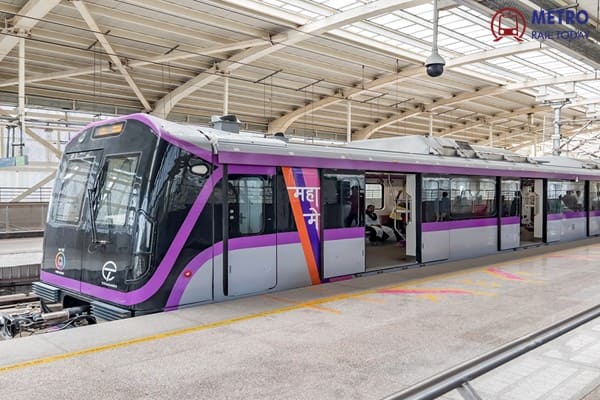 Maharashtra to expand 200 kilometers metro rail network across Pune and Pimpri-Chinchwad
- Govt of India explores Namo Bharat Rapid Rail to replace proposed Cuttack–Bhubaneswar Metro Project
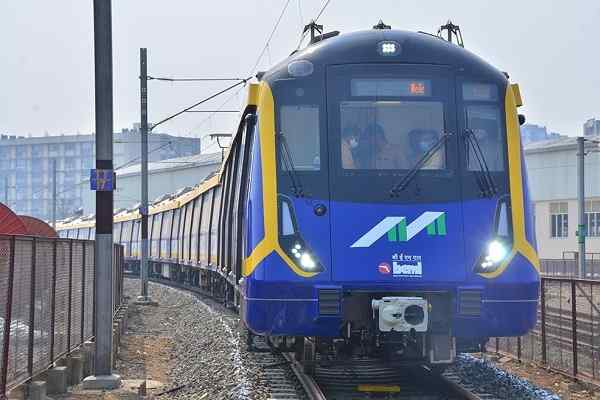 Global tender floated for Automatic Fare Collection System for Mumbai Metro Line 6
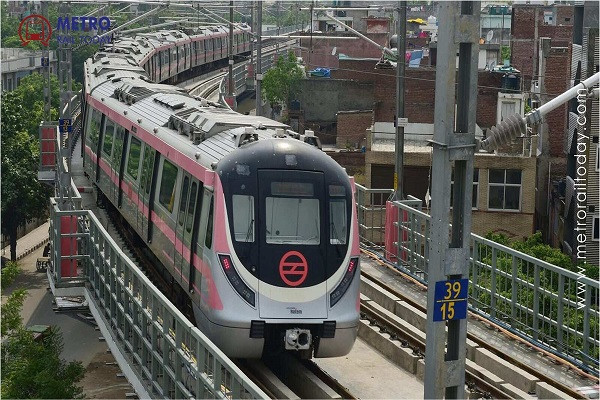 Delhi Metro secures 6th rank among largest metro rail systems in the world by network length
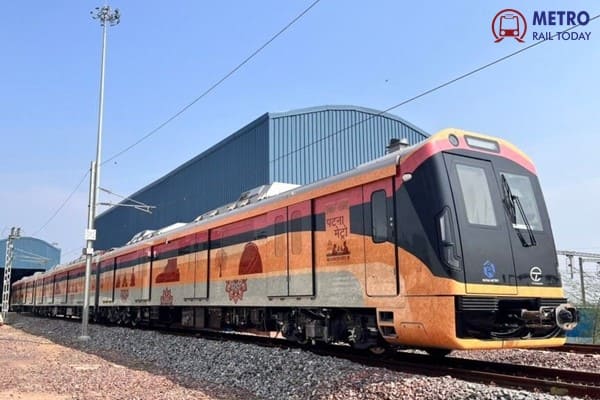 Indian Railways grants NOC to resume tunnelling works on Patna Metro Corridor 2
 Efkon India Bags ₹103 Crore Telecom Systems Contract for Mumbai Metro Lines 7A and 9
Skoda Group Eyes Entry into Serbian Rail Market, Signs MoU for Potential Production Facility
MRT Online Desk
Posted on: 2026-03-17 16:33:00
Viewer: 63
Comments: 0
Country: Czech Republic
City:
Mladá Boleslav, Czech Republic (Metro Rail Today): Czech rail manufacturer Škoda Group is exploring opportunities to enter the Serbian rail transport market, marking a potential expansion of its footprint in Southeast Europe.
Earlier this month, the company signed a Memorandum of Understanding (MoU) with Serbian industrial group MIND to evaluate the possibility of establishing production facilities at the MIND Park industrial zone in Kragujevac.
The partnership could pave the way for local manufacturing of rolling stock and urban mobility vehicles for Serbia’s growing rail and public transport sector.
Potential Assembly of RegioPanter Trains
As part of the proposal, Škoda Group is considering the localisation of assembly for its partially low-floor RegioPanter electric multiple unit (EMU) trains.
The company has recently proposed supplying 25 RegioPanter EMUs to Serbia’s Ministry of Transport, which would be deployed by the national passenger rail operator Srbijavoz.
If the project moves forward, it would mark Škoda Group’s first rolling stock delivery to Serbia, expanding the company’s presence in the European rail market.
Opportunities in Urban Transport
Beyond mainline rail, the Czech manufacturer has also expressed readiness to localise production of trams and trolleybuses for Belgrade, supporting the Serbian capital’s plans to modernise its urban transport fleet.
Belgrade recently launched a tender for 85 trams, one of the largest tram procurement programs in the region. However, the tender was suspended following complaints from bidders, and Škoda Group did not participate in the process.
Despite this setback, the company remains interested in future opportunities in the city’s tram and trolleybus market.
Strategic Role of MIND Park
The proposed manufacturing operations would be located within MIND Park, a major industrial hub covering 190 hectares in Kragujevac.
The park currently hosts:
-
21 companies
-
Over 2,000 employees
-
95,000 square metres of manufacturing, logistics, and office facilities
The site has already attracted significant investment from global rail industry players. Since 2019, Siemens Mobility has operated an 11,600 m² facility at MIND Park, producing Avenio platform trams.
Additionally, AMM Manufacturing operates a nearby plant producing aluminium and steel components for rail applications, strengthening the park’s role as a regional rail manufacturing cluster.
Strengthening Serbia’s Rail Industry
The collaboration between Škoda Group and MIND reflects a broader effort to develop local rail manufacturing capabilities in Serbia, which could support the country’s ongoing railway modernisation programs.
Local production would not only reduce supply chain costs but also create skilled jobs and encourage technology transfer in the rail sector.
Commenting on the development, Mrs. Mamta Shah, MD & CEO, Urban Infra Group, highlighted the importance of localisation strategies in the global rail industry.
“Local manufacturing partnerships are increasingly becoming a key strategy for international rail companies entering new markets. Establishing production facilities within regional industrial clusters not only strengthens supply chains but also supports local economic development and skill creation,” she said.
Expanding Rail Manufacturing Footprint
Škoda Group is one of Europe’s leading providers of rolling stock, tram systems, trolleybuses, and rail technologies, with projects across several countries.
If realised, the proposed investment in Serbia could expand the company’s manufacturing network while supporting the country’s ambitions to modernise its rail and urban transport infrastructure.


MRT Online Desk
Metro Rail Today is an authentic and global news provider for the Rail & Metro industry from and around the world.