

Trending Now
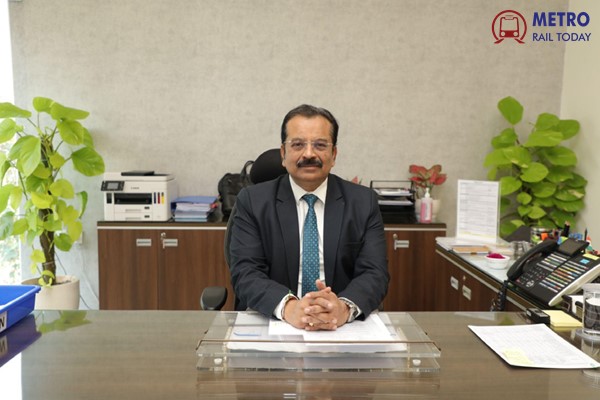 Govt approves permanent absorption of NCRTC Managing Director Shalabh Goel from Indian Railways
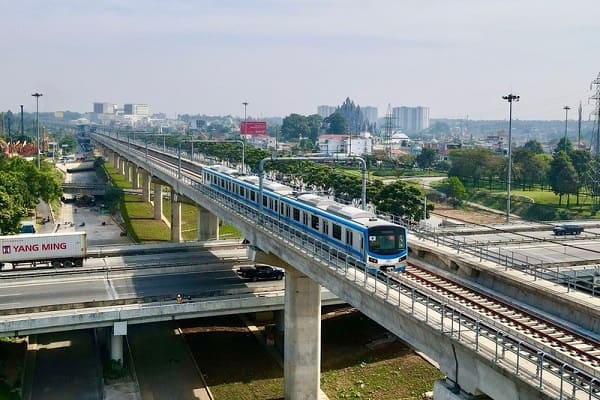 Hyundai Rotem signs $332 million Rolling Stock Contract with Vietnam for Ho Chi Minh City Metro
 Maharashtra approves ₹18,130 Crore Mumbai Metro Line 5 Expansion & New Line 5A
 Telangana Govt approves ₹13,615 crore IRFC loan to takeover Hyderabad Metro from L&T
 DMRC appoints Sanjay Jamuar as First CEO of Delhi Metro International Limited
 India launches first High Speed Bullet Train Manufacturing Complex in Bengaluru
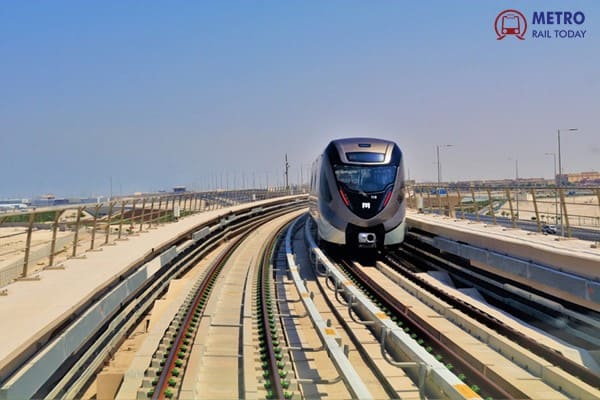 Spain investigates CAF’s role in Jerusalem Light Rail Project amid Human Rights allegations
 Dr. Amit Kumar Jain conferred Delhi CM’s Award 2026 for driving Digital Innovation in Urban Mobility
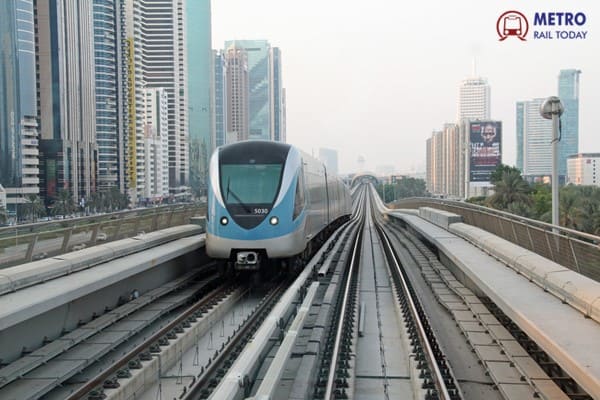 UAE Approves AED 34 Billion First Fully Underground Dubai Metro Gold Line Project
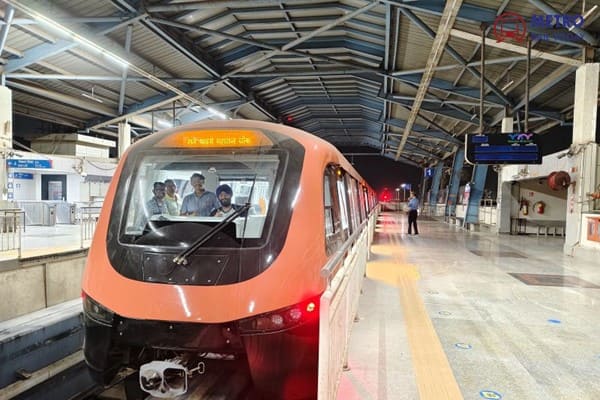 Power Mech Projects bags ₹296 crore O&M Contract for Mumbai Monorail Project
Metro Man E. Sreedharan Unveils ₹54,000 Crore Kerala High-Speed Railway Corridor
MRT Online Desk
Posted on: 2026-02-24 16:00:00
Viewer: 3,116
Comments: 0
Country: India
City: Kochi
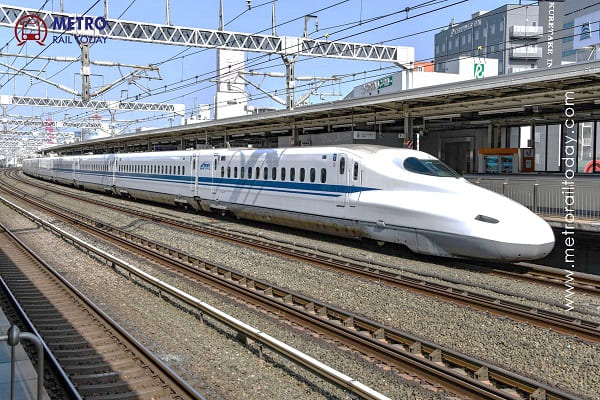
Kochi, India (Metro Rail Today): Veteran technocrat E. Sreedharan on Tuesday announced that the proposed Kerala High-Speed Railway (KHSR) corridor would cost an estimated ₹54,000 crore. Addressing the media in his hometown Ponnani, where he recently inaugurated an office for the project, Sreedharan said a detailed project report (DPR) would be submitted to both the Union and Kerala governments within two months.
Sreedharan, widely known as the “Metro Man,” stated that the project would be implemented through a Special Purpose Vehicle (SPV). The proposed Kerala High Speed Rail Corporation would be a joint venture between the Union and state governments, with the Centre holding a 51 percent stake and the state government 49 percent.
He noted that the estimated cost of ₹54,000 crore is significantly lower than the ₹64,000 crore projected for the state government’s earlier K-Rail (Silver Line) proposal. Funding for the project could be shared between the Union and state governments, potentially following the Konkan Railway model.
The proposed KHSR will be a double-track standard gauge corridor with no integration with the existing broad-gauge railway network. The 465-km line connecting Thiruvananthapuram to Kannur is expected to reduce travel time between the two cities to approximately 3 hours and 20 minutes.
The corridor will feature 20 stations, spaced at intervals of 20 to 30 km, and will provide connectivity to all three airports in Kerala. Of the total alignment, around 445 km will be elevated while 20 km will run underground. The design speed is planned at 200 km per hour, with an average commercial speed of about 140 km per hour considering intermediate stops. Each train will consist of eight coaches with a seating capacity of 560 passengers.
Last month, Sreedharan revived his earlier proposal for a north–south high-speed rail corridor across Kerala, claiming that the project, estimated at around ₹1 lakh crore in its earlier conceptual phase, was under consideration by the BJP-led central government. Shortly thereafter, the Pinarayi Vijayan-led Cabinet granted in-principle approval for a Regional Rapid Transit System (RRTS), after shelving the semi high-speed K-Rail or Silver Line project due to lack of central support.
Sreedharan had earlier indicated that he was awaiting a formal order from the Railway Ministry assigning the preparation of the DPR to Delhi Metro Rail Corporation (DMRC), which would then entrust the responsibility to him.
Commenting on the development, Mrs. Mamta Shah, MD & CEO, Urban Infra Group, said, “Kerala’s north–south high-speed connectivity has long been a strategic mobility gap. If structured with financial discipline and strong Centre–State collaboration, the proposed KHSR could redefine inter-city travel in the state. However, funding clarity, land acquisition strategy and stakeholder consensus will be critical for its timely realisation.”


MRT Online Desk
Metro Rail Today is an authentic and global news provider for the Rail & Metro industry from and around the world.