

Trending Now
 Karnataka proposes 270-km RRTS Network linking Bengaluru with Tumakuru, Mysuru and KGF
 Alstom and Vingroup sign MoU to supply up to 200 Metro Trains for Hanoi Urban Rail Projects
 Afcons Infrastructure wins ₹1,383 crore Civil Contract for Lucknow Metro Phase 1B Corridor
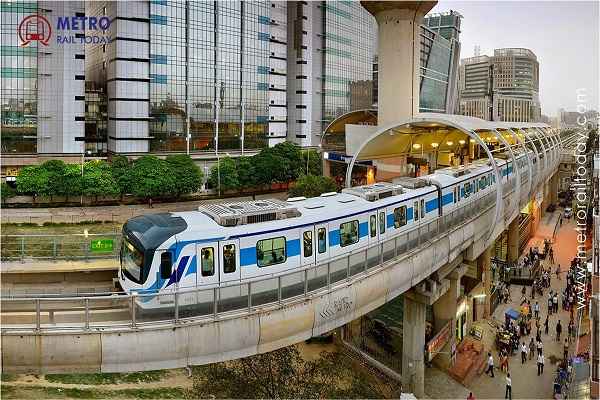 GMRL issues ₹1,662 crore Civil Tender for Sector 9–Cyber City Gurugram Metro Rail Corridor
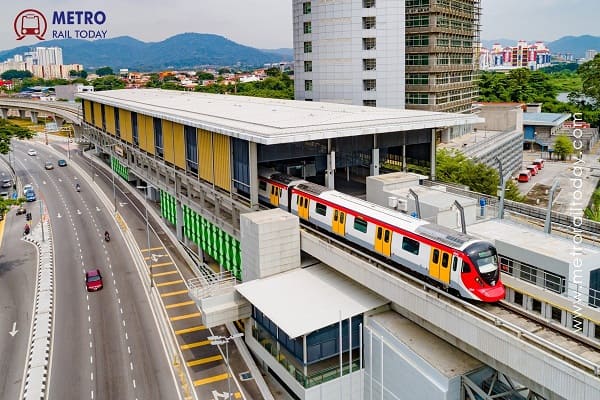 Madrid unveils €1.57 billion Metro Rail Expansion Programme with 27.8 km of New Corridors
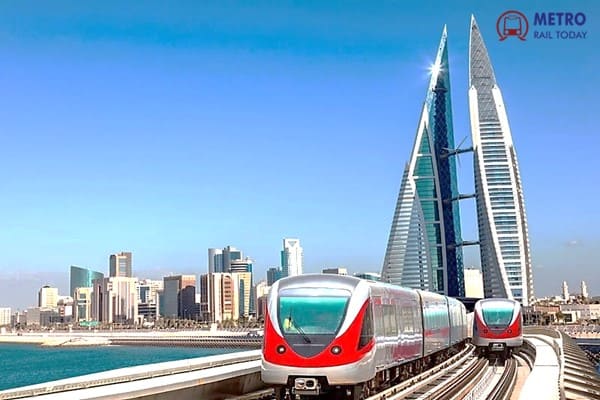 Global Tender launched for Project Management Consultancy for Abu Dhabi Tram Line 4
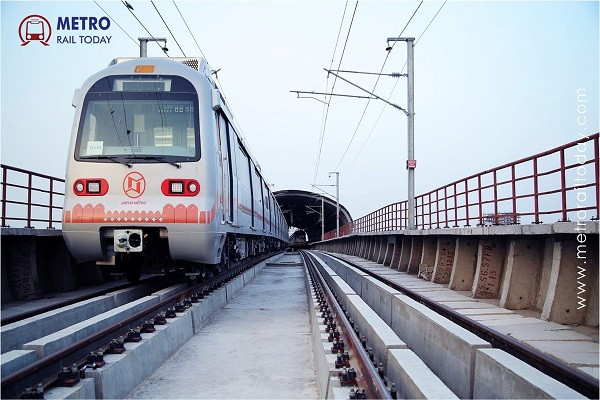 NV Dynamics awarded Noise and Vibration Study contract for Jaipur Metro Phase 2 Project
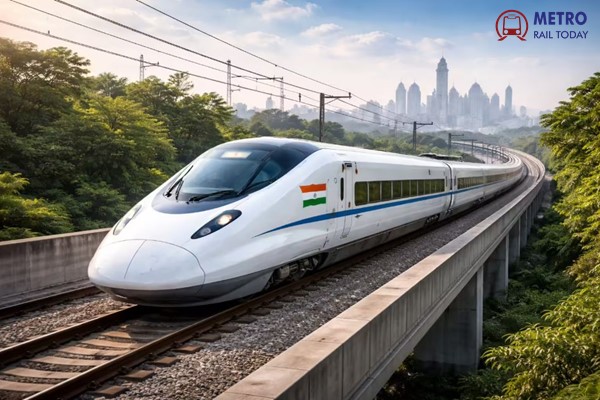 Two global consortia bid for India’s 350 kmph High-Speed Rail Design consultancy contract
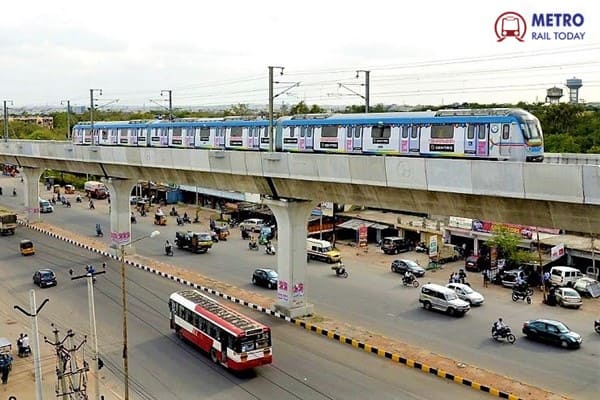 Larsen & Toubro (L&T) extends Hyderabad Metro stake sale timeline to 31 December 2026
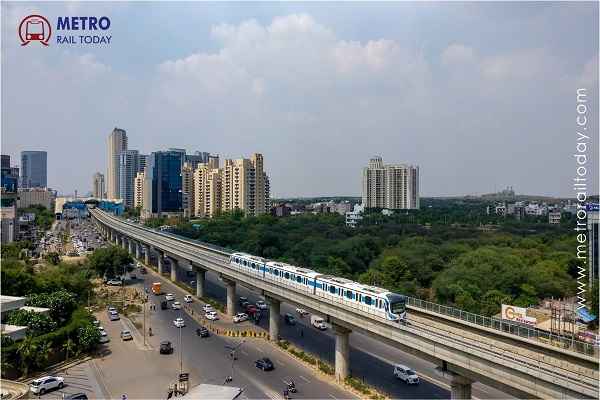 Haryana Govt approves ₹1,662 crore construction tender for Gurugram Metro Phase 2
Mumbai BKC Pod Taxi project faces Architects’ concerns over cost, capacity and environment
MRT Online Desk
Posted on: 2026-09-18 07:15:00
Viewer: 1,131
Comments: 0
Country: India
City: Mumbai

Mumbai, India (Rail & Metro Today): Mumbai’s proposed Bandra Kurla Complex (BKC) pod taxi project has come under scrutiny from a group of prominent architects, who have urged the Mumbai Metropolitan Region Development Authority (MMRDA) to reconsider the ₹1,016-crore Personal Rapid Transit System (PRTS) project. The Mumbai Architects Collective has raised questions over the system’s passenger capacity, cost effectiveness, road-space requirements and potential environmental impact.
According to a report by The Indian Express, the architects have written to MMRDA Metropolitan Commissioner Sanjay Mukherjee, seeking a discussion on the proposed pod taxi network and its long-term implications for one of Mumbai’s most important commercial districts.
The Collective includes architects such as Brinda Somaya, Rahul Kadri, P.K. Das, Vivek Pai, Vikas Dilawari, Abraham John and Nondita Correa Mehrotra. In their representation, they questioned whether a Personal Rapid Transit system is the most appropriate transport solution for BKC, particularly given the projected investment and relatively small passenger-carrying capacity of individual pods.
Architects Question Cost and Passenger Capacity
The architects have reportedly described the project as an “economically inefficient” transport solution, arguing that it could become a relatively high-cost mobility option rather than a mass-transit system.
As reported, the proposed pods would accommodate only four to six passengers each, while the projected fare is around ₹21 per kilometre. The Collective has questioned whether a system with such limited per-vehicle capacity can effectively address the mobility requirements of BKC, despite the proposed investment of more than ₹1,000 crore.
The architects have also raised concerns that the infrastructure required for the elevated pod taxi system could affect available road space. According to their representation, the additional structures associated with the network could potentially reduce road capacity in parts of the BKC area.
The Collective has sought a meeting with MMRDA officials to discuss the project, its transportation role and its longer-term implications for the business district.
Environmental Concerns Raised
Environmental impact has emerged as another major concern raised by the architects and local residents.
The Mumbai Architects Collective has alleged that construction debris is being dumped at Urban Plaza and City Park in Bandra East, while also expressing concern over the possible impact of construction activity on roadside greenery, trees and mangrove areas.
Residents have reportedly raised similar concerns, claiming that portions of public open space have been barricaded and are being used for construction-related storage.
The architects have estimated that construction could affect around 499 trees along road medians. They have also pointed to the possible impact on approximately 0.41 hectares of mangrove area.
According to the Collective, excavation and the loss of greenery could contribute to higher local temperatures and intensify the urban heat island effect in BKC, an area already characterised by dense commercial development and extensive built-up surfaces.
These environmental concerns are claims raised by the architects and residents and would require assessment against the project's approved environmental safeguards, construction plans and applicable statutory permissions.
First Phase of BKC Pod Taxi Project Under Construction
Construction of the first phase of the BKC pod taxi project reportedly began in May, with around 140 piers currently under construction.
The first phase is planned over approximately 3.36 kilometres and will comprise two routes connecting Bandra East and Kurla. Together, the two corridors are planned to have eight stations.
The proposed stations on one corridor include Bandra East, Kalanagar, MMRDA Old Building and Excise Department. The Kurla-side corridor is planned to include Bharat Diamond Bourse Gate 11, MMRDA Pay & Park, LBS Marg and Kurla.
The project is currently expected to be completed by the end of 2027, according to the information reported.
BKC’s Growing Mobility Requirements
Bandra Kurla Complex is one of Mumbai’s major commercial and financial districts and attracts substantial daily commuter movement. As development in and around BKC continues, the area faces the challenge of providing efficient public transport while managing limited road space and preserving urban open areas.
The debate over the pod taxi project therefore extends beyond the technology itself to questions around capacity, affordability, integration with existing public transport and the use of urban land.
“Innovative urban mobility systems need to be assessed not only on technological novelty but also on passenger capacity, affordability, integration with existing public transport and their long-term impact on the urban environment. For a dense business district such as BKC, careful evaluation of these parameters can help ensure that new mobility infrastructure complements the wider public transport network,” said Mrs. Mamta Shah, MD & CEO, Urban Infra Group.
The Mumbai Architects Collective’s intervention adds another dimension to the ongoing discussion around BKC’s future mobility infrastructure. With construction of the first phase already underway, the proposed meeting between the architects and MMRDA could provide an opportunity to examine the concerns raised over cost, transport capacity, road space and environmental impact.
As Mumbai continues to expand its public transport infrastructure, the BKC pod taxi project is likely to remain a subject of attention among planners, architects, commuters and urban mobility stakeholders until its implementation and performance can be assessed against the district’s evolving transportation requirements.


MRT Online Desk
Metro Rail Today is an authentic and global news provider for the Rail & Metro industry from and around the world.