


Trending Now
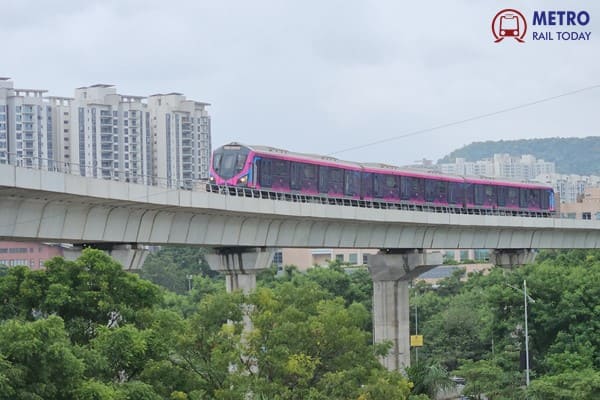 PM Narendra Modi inaugurates Pune Metro Line 3, Launches Phase-II Projects worth ₹13,500 Crore
 Parsons-Led JV selected Project Management Consultant for Riyadh Metro Red Line Extension
 Vietnam signs turnkey contracts for Hanoi Metro's five driverless lines spanning 253.5 km
 India’s First indigenous Bullet Trainset B28 takes shape at BEML’s Bengaluru Facility
 GMRC invites bids for ₹197.14 crore Ahmedabad Metro Gyaspur Depot Development Project
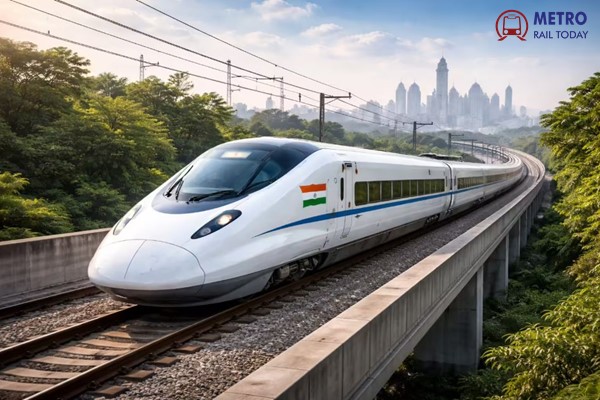 Govt of India approves 1500-km Delhi–Guwahati Northern Bullet Train Corridor
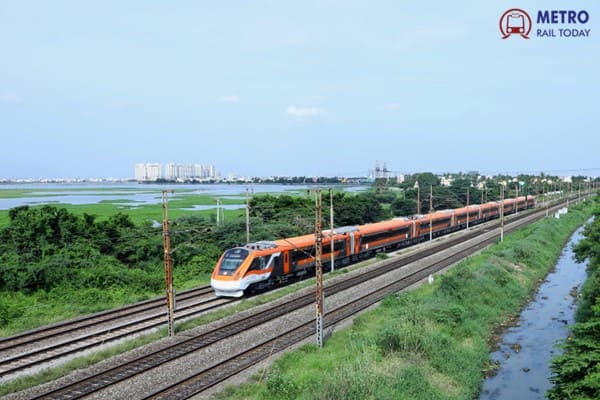 Railway Board grants conditional clearance to RCF-Built Vande Bharat Trainset with Alstom Propulsion
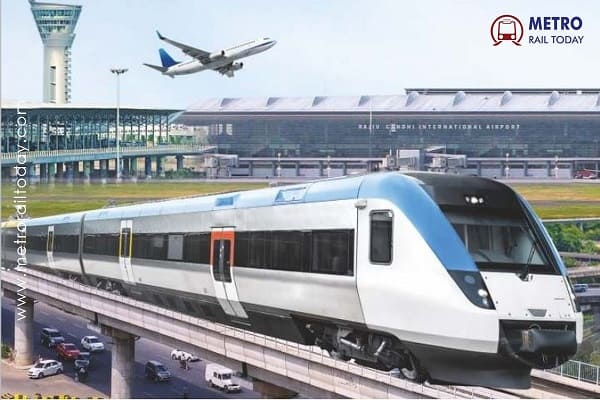 Two Consortia Bid for General Consultancy Contract for Hyderabad Metro Phase 2 Project
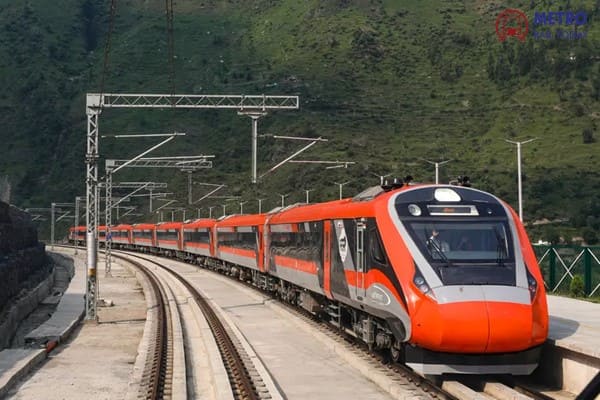 RNS Infra–Gayatri Projects JV awarded ₹342 crore Civil Contract for Bengaluru Suburban Rail Project
- PM Modi to inaugurate Pune Metro's Hinjewadi–Shivajinagar Metro Corridor on November 3
PM Narendra Modi inaugurates Pune Metro Line 3, Launches Phase-II Projects worth ₹13,500 Crore
MRT Online Desk
Posted on: 2026-11-03 14:00:00
Viewer: 79
Comments: 0
Country: India
City: Pune
Pune, India (Rail & Metro Today): Prime Minister Narendra Modi inaugurated Pune Metro Line 3, also known as the Pink Line, and laid the foundation stone for the second phase of Pune Metro projects with an estimated investment of approximately ₹13,500 crore on November 3, 2026. The inauguration and foundation stone ceremony were held through video conferencing, with Maharashtra Chief Minister Devendra Fadnavis also participating in the event.
The inauguration of Line 3, developed at a cost exceeding ₹8,300 crore, marks a significant milestone in Pune's urban transport development. The 23-km corridor connects Maan in the Hinjewadi area with the District Court Metro station in Shivajinagar, providing a direct public transport link to Pune's major IT and commercial hub.
The combined investment in the inaugurated corridor and the new Phase-II projects is approximately ₹21,800 crore, reflecting the state's commitment to expanding mass rapid transit infrastructure in the rapidly growing metropolitan region.
Pune Metro Pink Line Connects Hinjewadi IT Hub with Shivajinagar
The 23-km Pune Metro Line 3 is expected to improve daily commuting for thousands of passengers, particularly employees working in the Hinjewadi IT hub. By connecting the technology and business district with Shivajinagar and the wider metro network, the corridor is expected to offer a more reliable alternative to road-based transport.
The Pink Line is designed to integrate with Pune's existing metro system, enabling passengers to access key residential, commercial and employment centres through a connected public transport network.
The corridor is also expected to reduce dependence on private vehicles, ease traffic congestion and help lower vehicular emissions. Improved connectivity to major employment destinations could further support Pune's economic growth while enhancing the overall urban commuting experience.
Pune Metro Phase-II to Add Four New Corridors
Alongside the inauguration, the Prime Minister laid the foundation stone for Pune Metro Phase-II, involving four proposed corridors under Lines 2A, 2B, 4 and 4A. The phase is estimated to cost around ₹13,500 crore and is intended to extend metro connectivity to several important residential, commercial and industrial areas.
Lines 2A and 2B will together cover approximately 12.75 km. Line 2A will connect Vanaz with Chandani Chowk, while Line 2B will extend the existing east-west network from Ramwadi towards Vitthalwadi.
Line 4 will span approximately 25.52 km between Kharadi and Khadakwasla, connecting important growth centres across eastern and western Pune. Line 4A will cover around 6.12 km between Nal Stop and Manik Baug.
The proposed corridors will improve access to major locations such as Kharadi, Magarpatta, Hadapsar, Swargate, Manik Baug, Nanded City, Pune Cantonment and Warje. The Ramwadi–Vitthalwadi extension is particularly important for improving public transport access to the rapidly developing Kharadi and Wagholi areas.
Integrated Network to Strengthen Pune's Urban Mobility
The Phase-II corridors are planned to integrate with the existing Pune Metro network and intercity bus services through key interchange locations, including Swargate, Nal Stop and Kharadi Bypass.
The expansion is expected to improve east-west and north-south connectivity while providing better access to employment hubs, educational institutions, commercial centres and residential neighbourhoods. The integration of metro services with other modes of public transport will also be important in encouraging a shift towards sustainable mobility.
With the inauguration of Line 3 and the launch of Phase-II works, Pune is moving towards a significantly larger urban rail network. The projects are expected to play a central role in addressing the city's growing mobility requirements, reducing road congestion and supporting more balanced urban development.
The next major challenge will be timely execution, effective multimodal integration and ensuring convenient last-mile connectivity so that the expanded metro network delivers its full benefits to commuters.

MRT Online Desk
Metro Rail Today is an authentic and global news provider for the Rail & Metro industry from and around the world.