


Trending Now
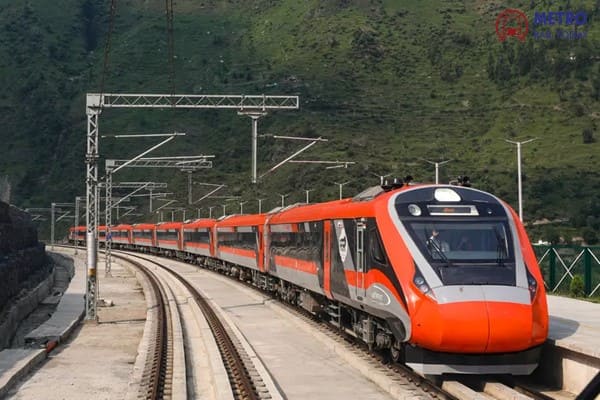 K-RIDE to appoint Detailed Design Consultant for Bengaluru Suburban Rail Project
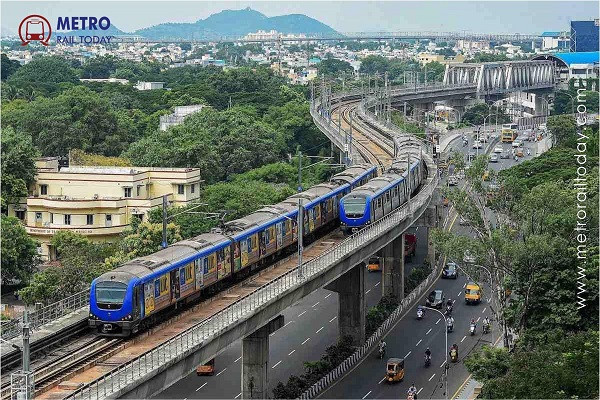 Prime Minister Narendra Modi inaugurates first 15-km stretch of Chennai Metro Phase 2
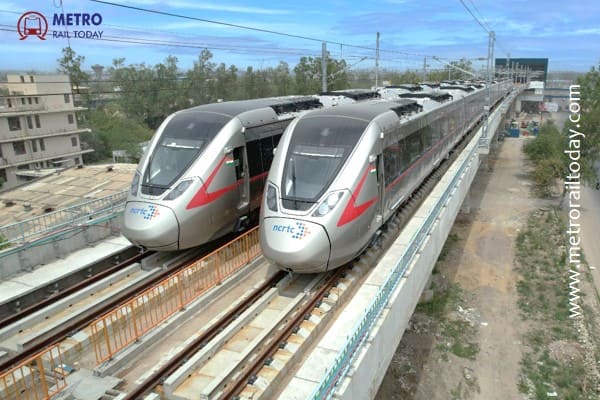 Karnataka proposes 270-km RRTS Network linking Bengaluru with Tumakuru, Mysuru and KGF
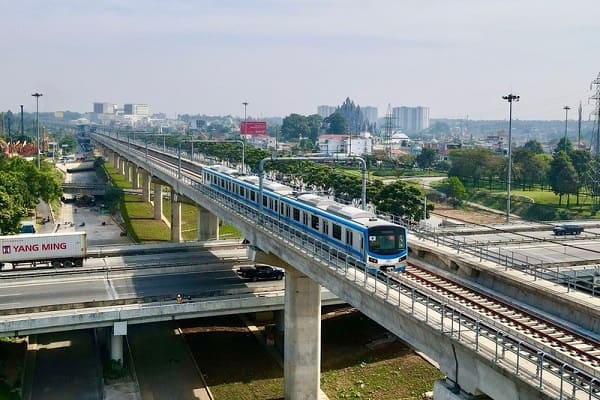 Alstom and Vingroup sign MoU to supply up to 200 Metro Trains for Hanoi Urban Rail Projects
 Afcons Infrastructure wins ₹1,383 crore Civil Contract for Lucknow Metro Phase 1B Corridor
 GMRL issues ₹1,662 crore Civil Tender for Sector 9–Cyber City Gurugram Metro Rail Corridor
 Madrid unveils €1.57 billion Metro Rail Expansion Programme with 27.8 km of New Corridors
 Global Tender launched for Project Management Consultancy for Abu Dhabi Tram Line 4
 NV Dynamics awarded Noise and Vibration Study contract for Jaipur Metro Phase 2 Project
 Two global consortia bid for India’s 350 kmph High-Speed Rail Design consultancy contract
Prime Minister Narendra Modi inaugurates first 15-km stretch of Chennai Metro Phase 2
MRT Online Desk
Posted on: 2026-10-11 16:10:00
Viewer: 184
Comments: 0
Country: India
City: Chennai
Chennai, India (Rail & Metro Today): Prime Minister Narendra Modi and Tamil Nadu Chief Minister Joseph Vijay flagged off a 15-km stretch of Chennai Metro’s Yellow Line, marking a major milestone in the city’s Phase II expansion. The ₹4,900-crore section forms the first operational stretch of Corridor 4 and is expected to improve connectivity between the western suburbs and key residential, institutional and commercial areas of Chennai.
The newly opened section is a significant engineering achievement, featuring a 3.5-km double-decker viaduct constructed through one of the city’s most congested urban corridors. The project is designed to strengthen public transport connectivity and reduce dependence on road-based travel along the western corridor.
During the inauguration, Modi and Vijay travelled on the metro between Poonamallee Bypass and Porur Metro station, while officials briefed them on the project and its infrastructure features.
One of the notable features of the new section is the installation of platform screen doors (PSDs) on an elevated metro stretch. These barriers separate the platform from the train tracks and are intended to support passenger safety and station operations.
The opening represents an important step in bringing Chennai Metro Phase II into passenger service, although several stations and station access facilities remain under construction.
On the inaugural day, metro services operated between 4 pm and 9 pm. From Monday, regular services were scheduled to run from 7 am to 9 pm.
However, the opening is initially limited by incomplete civil works at six stations between Vadapalani and Porur, along with pending entry and exit facilities at Vadapalani station.
Until the new access points are completed, commuters will reach Vadapalani station through a link bridge connecting Chennai Metro Phase I and Phase II. This temporary arrangement is intended to maintain passenger access while the remaining infrastructure is completed.
According to Chennai Metro Rail Limited (CMRL), civil construction at the six pending stations is expected to be completed by December. The stations will subsequently require statutory clearances, fire licences and a second inspection by the Commissioner of Railway Safety (CRS) before they can open to passengers.
“Everything will be completed after civil work ends in December,” said T. Archunan, Director of Projects at CMRL, referring to the remaining civil works.
The completion of civil construction will therefore not automatically mean that all six stations can begin passenger operations. Their opening will depend on the completion of the required approvals and safety procedures.
The 3.5-km double-decker viaduct is among the most significant engineering elements of the newly opened corridor. Constructing elevated metro infrastructure in densely developed parts of Chennai requires careful coordination with existing roads, utilities and surrounding structures.
The double-decker arrangement enables transport infrastructure to be accommodated within a constrained urban environment, helping make more efficient use of available space.
The ₹4,900-crore stretch is expected to improve travel options for residents of Poonamallee and surrounding western neighbourhoods, which include residential developments, educational institutions and business establishments.
The new connection is particularly significant for commuters travelling towards Vadapalani, where road journeys from Poonamallee Bypass can take more than an hour, according to the information provided by officials.
The opening comes as Chennai Metro Phase I continues to record strong passenger demand. Officials reported that the existing network carried approximately one crore passengers in each of the three consecutive months preceding the inauguration.
With the addition of the new Corridor 4 section, CMRL expects ridership to increase as more commuters gain access to metro services from the western side of the city.
The impact will depend partly on the completion and opening of the remaining stations, which will extend the number of neighbourhoods directly served by the corridor and improve access to the wider metro network.
The phased commissioning approach also highlights the importance of completing station access infrastructure and securing all mandatory safety clearances before expanding passenger operations.
The opening of the 15-km Yellow Line section is a significant step in Chennai Metro’s broader Phase II development programme. Its double-decker infrastructure, new passenger connections and platform screen doors demonstrate the scale and technical complexity involved in expanding urban rail systems within established metropolitan areas.
The next milestone will be the completion of civil works at the six pending stations and the remaining entry and exit facilities at Vadapalani. Subsequent statutory approvals and safety inspections will determine when these stations can be opened.
Once the remaining infrastructure becomes operational, the corridor is expected to provide more comprehensive metro connectivity across Chennai’s western growth areas, strengthen interchange opportunities with Phase I and offer commuters an alternative to increasingly congested roads.
For Chennai, the opening marks not just the commissioning of a new metro stretch but another step towards building a more integrated urban transport network capable of supporting the city’s expanding residential and economic activity.


MRT Online Desk
Metro Rail Today is an authentic and global news provider for the Rail & Metro industry from and around the world.