


Trending Now
 L&T Technology Services wins ₹95.3 crore Telecom Contract for Kochi Metro Phase 2
 Mumbai–Ahmedabad Bullet Train Project achieves breakthrough with First Mountain Tunnel completion
 Happy New Year 2026: Message from the desk of Managing Editor - Metro Rail Today
 Baghdad Metro project enters at an advanced planning and implementation stage
 India's Rail & Metro Year-End Review 2025: A Year of Accelerated Execution and Visible Outcomes
 Indian Railways plans to manufacture eight additional sleeper rakes by March 2026
 BEML sets timeline for production of high speed trainsets for India's first Bullet Train project
 Dr. Vinod Shah appointed First Director General of the Chamber of Railway Industries
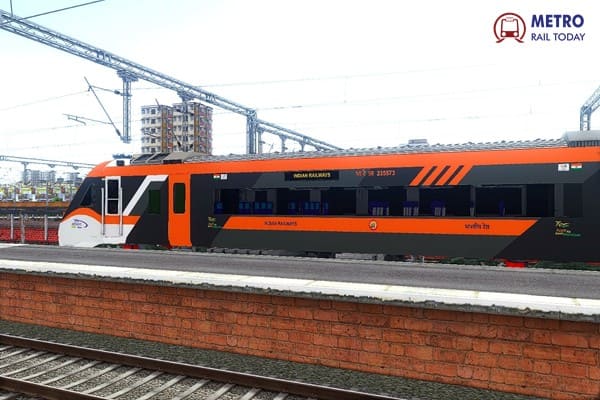 Indian Railways to run Namo Bharat Rapid Rail connecting Indore and Ujjain ahead of Simhastha 2028
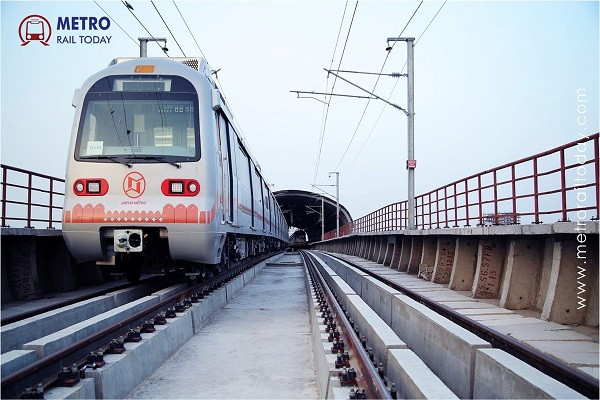 Jaipur Metro Phase 2 to link Airport Terminals, Promise faster Travel and stronger City connectivity
Prime Minister reviews progress on Phase 1 of Cairo Metro Line 4
MRT Online Desk
Posted on: 2024-05-21 15:20:00
Viewer: 1,872
Comments: 0
Country: Egypt
City: Cairo
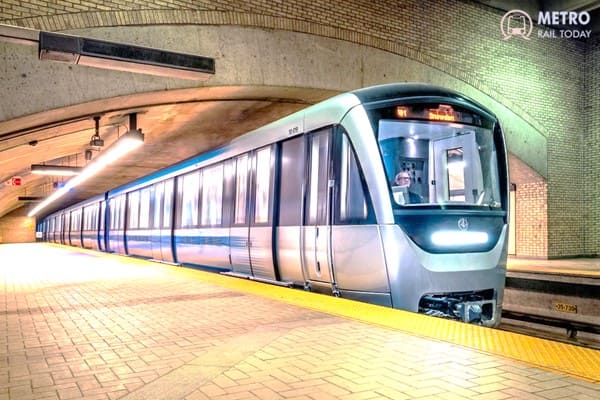
Cairo, Egypt (Metro Rail Today): In a significant step towards enhancing Egypt's public transportation infrastructure, Prime Minister Moustafa Madbouli inspected the ongoing implementation of the first phase of Cairo Metro Line 4. This initiative aligns with President Abdel Fattah El Sisi's directives to expand the state's green and sustainable public transport projects, aimed at reducing congestion and promoting eco-friendly transportation options.
Prime Minister Madbouli's inspection tour was a high-profile event, attended by Transport Minister Kamel el Wazir and Giza Governor Ahmed Rashed. The delegation also included several lawmakers and senior officials from the Transport Ministry, underscoring the importance of the project within Egypt’s broader infrastructure development plans.
Metro Line 4 is a crucial addition to Cairo’s metro network, designed to connect the 6th of October City with New Cairo. Prime Minister Madbouli emphasized the line's importance in easing passenger transport in densely populated areas such as Al Haram, Faisal, Giza, Nasr City, and New Cairo. Once completed, the line is expected to significantly reduce travel time and improve connectivity across these key regions.
The completion of the first and second phases of Metro Line 4 is anticipated to have a substantial impact on daily commuting patterns. The line is projected to transport approximately 1.5 million passengers daily, providing a reliable and efficient alternative to road transport, which is often plagued by heavy traffic congestion in these populous areas.
During the visit, Prime Minister Madbouli inspected several critical stations along the route, including those at the Pyramids, the Grand Egyptian Museum (GEM), and Remaya. According to Transport Minister Kamel el Wazir, the construction progress at these stations ranges between 34% and 42%. The minister noted that significant progress is being made, with ongoing efforts to expedite the completion of the stations.
In addition to the metro stations, the restoration work in the vicinity of the Grand Egyptian Museum (GEM) is also progressing. Minister Wazir reported that approximately 8% of the restoration work around the GEM has been completed. This restoration is a preparatory step for the museum's highly anticipated inauguration, which is expected to attract numerous visitors and further necessitate efficient transportation solutions.
Spanning 42 kilometers, Metro Line 4 is set to be a major infrastructural achievement, comprising 39 stations. Of these, 37 will be underground, and two will be sub-surface stations. The project is being executed in two phases, with the first phase currently under active development. This extensive network will play a pivotal role in linking various parts of Cairo, thereby enhancing the overall public transport system.
Prime Minister Moustafa Madbouli's recent inspection of Cairo Metro Line 4 underscores the Egyptian government's commitment to advancing its public transportation infrastructure. With significant progress being made in the construction of key stations and the ongoing restoration efforts around the Grand Egyptian Museum, the project is poised to offer substantial benefits to commuters. The completion of Metro Line 4 will mark a major milestone in Egypt's efforts to develop a green and sustainable public transport network, ultimately easing congestion and improving connectivity across the city.


MRT Online Desk
Metro Rail Today is an authentic and global news provider for the Rail & Metro industry from and around the world.