

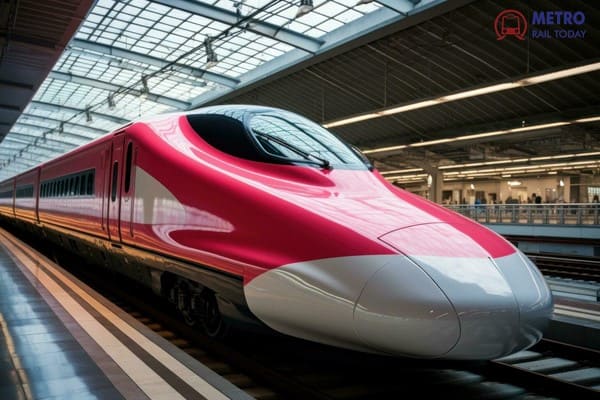
 Govt of India approves DPR of 671-km Hyderabad-Mumbai High Speed Bullet Train Project
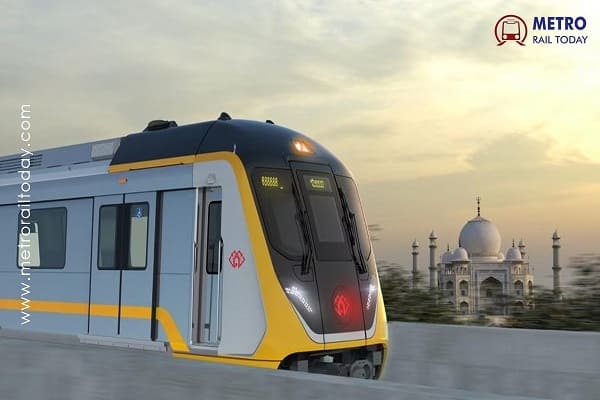 GHV India bags ₹123.96 crore Civil Contract for Mall Road Depot of Agra Metro Rail Project
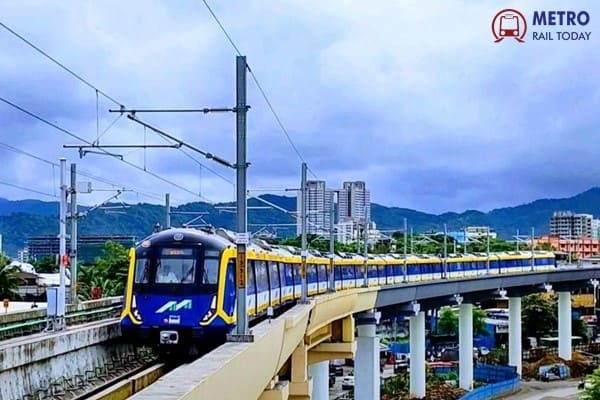 Govt of India approves ₹18,130.55 crore Mumbai Metro Line 5 and 5A
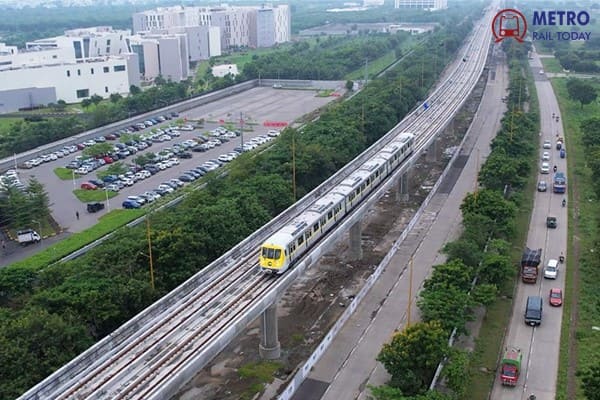 Indore Metro launched first Tunnel Boring Machine Narmada on Yellow Line
 ICF signs MoU for supply of 51 Three-Car Metro Trainsets for Bengaluru Suburban Rail Project
 Union Railway Minister shares update on proposed Delhi-Varanasi-Patna Bullet Train Corridor
 Skanska-Stacy Witbeck JV awarded $1.9 Billion new Light Rail Contract from Los Angeles Metro
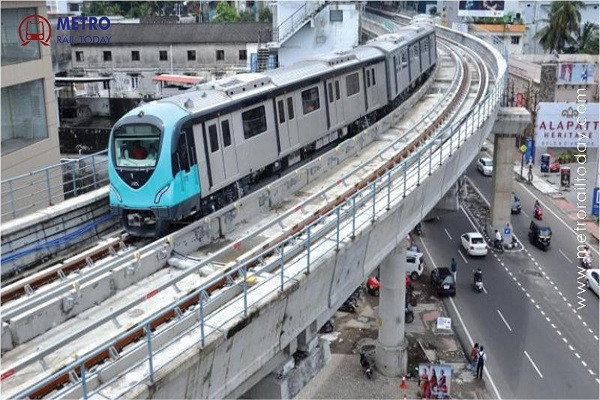 DPR submitted for 17.5 km Aluva-Angamaly corridor under Kochi Metro Phase 3
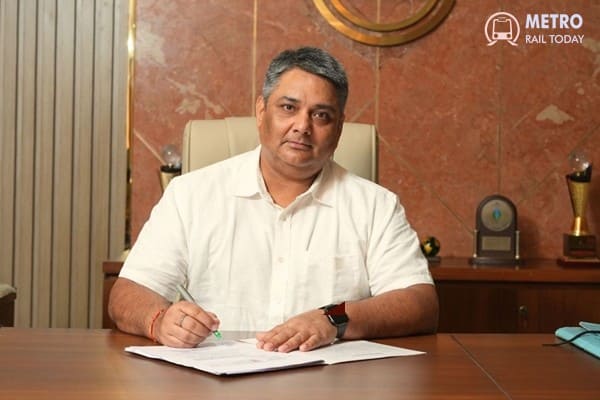 Ashish Chatterjee appointed as Managing Director of Chennai Metro Rail Limited
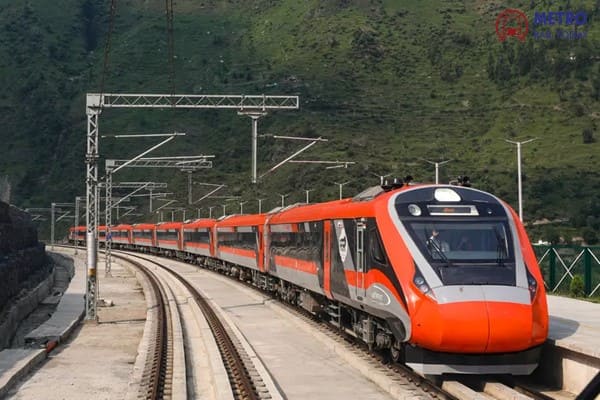 Adani Group-arm wins ₹665.61 Crore Civil Contract for Bengaluru Suburban Rail Project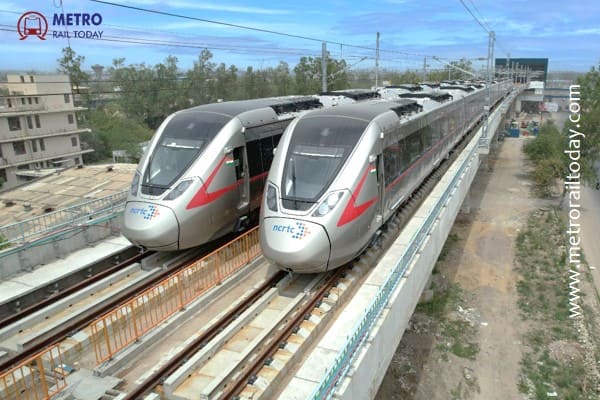
A key feature of the expansion includes a new 6km metro line connecting Lighthouse to the Madras High Court, passing through the state secretariat. This corridor is expected to alleviate the pressure on the existing Blue Line, which primarily serves commuters from southern parts of Chennai through Chennai Central. Additionally, a 21km stretch will link Tambaram to Velachery, passing through key areas like Medavakkam, Guindy, and Phoenix Mall, further easing congestion on major roads.
The proposed budget, presented on 14th March 2025, outlines the approval of new metro corridors, including the airport-Kilambakkam, Poonamallee-Sunguvarchathiram, and Koyambedu-Avadi lines. It also features a Regional Rapid Transit System (RRTS), which will connect Chennai with nearby cities like Villupuram and Vellore, providing stops every 10-15 km.
New Metro Rail Lines
- Airport to Kilambakkam: 15.46 km (Project Cost: ₹9,335 crore)
- Koyambedu to Avadi: 21.6 km (Project Cost: ₹9,744 crore)
- Poonamalle to Sunguvarchathiram: 27.9 km (₹8,779 crore)
New RRTS Lines
- Chennai - Chengalpet - Vilupuram: 167 km
- Chennai - Kanchipuram - Vellore: 140 km
- Coimbatore - Tiruppur - Salem: 185 km
According to transportation activist S. Kamal, these expansions could significantly improve the lives of residents in areas like Arakkonam, Kancheepuram, and Avadi, who currently endure overcrowded and unreliable suburban train services. Kamal points to Delhi's success in connecting suburban areas like Ghaziabad to central locations, such as Connaught Place, in under an hour as a model for Chennai to follow. "It's time Chennai achieves the same. These projects are pivotal in justifying the expansion of the Chennai Metropolitan Area to include Chengalpet and Arakkonam," he said.
However, some experts remain cautious about the metro's affordability. K.P. Subramanian, a retired transportation engineering professor at Anna University, argues that the metro and RRTS could alienate lower-income commuters due to high ticket prices. He suggests that a portion of the ₹27,800 crore earmarked for the metro expansion could be better spent on enhancing government bus services. "Buses are more affordable and would eliminate the need for costly additional feeder services for last-mile connectivity," Subramanian explained.
In response to these concerns, the state government has increased its funding for public transportation. The 2025 budget includes ₹2,646 crore for well-performing state transport corporations and ₹650 crore in operational viability gap funding for the Metropolitan Transport Corporation (MTC), signaling the government's commitment to improving the city's overall transit infrastructure.
As Chennai looks to modernize its public transport system, the proposed metro expansion promises to transform the city's commuting landscape, offering both speed and convenience to thousands of daily travelers. However, balancing affordability and accessibility remains a critical challenge in shaping the future of urban mobility in the city.