

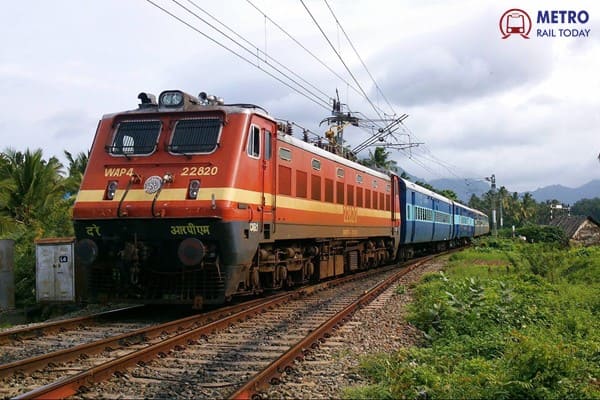
 CLW sets Global Benchmark with record 800 Electric Locomotives production in FY 2025–26
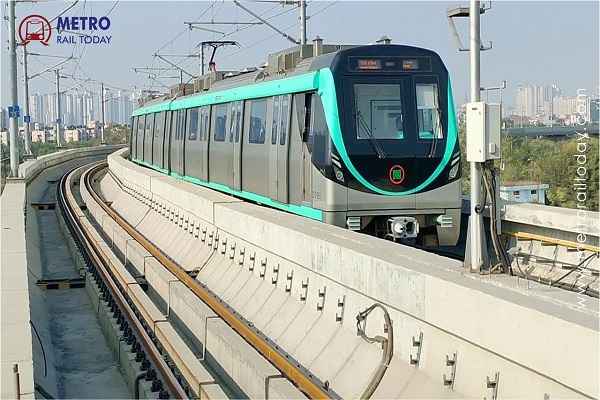 NMRC invites Applications for Key Executive Positions for Noida Metro Rail Project
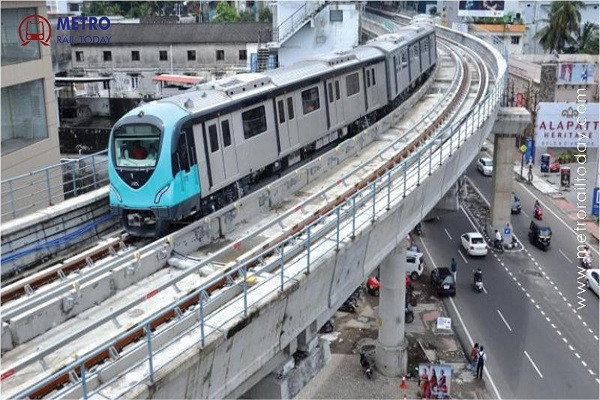 Central Govt rejects revised DPR of 7.5 km Noida-Greater Noida Metro Rail Extension Project
 Revised DPR of Prayagraj Metro focuses on seamless Rail-Air connectivity
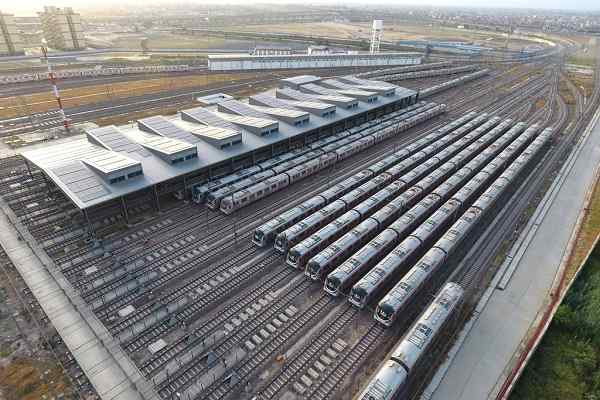 DMRC floats Tender for Central Vista Depot Design in Delhi Metro Phase V Expansion
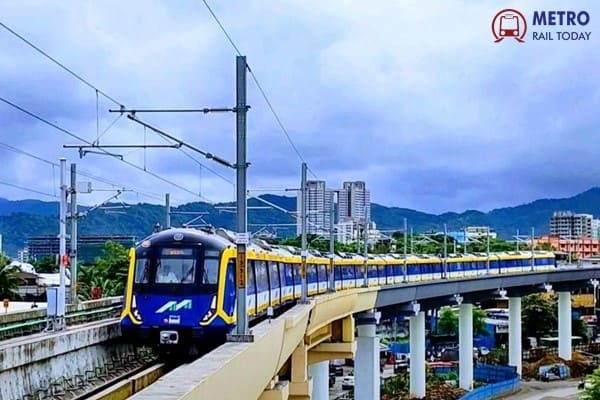 MMRDA seeks ₹14,100 Crore Loan for two upcoming Mumbai Metro Corridors
 Jupiter Wagons Eyes ₹20,000-Crore Mumbai Suburban Mega Rolling Stock Tender
 Mumbai Metro Chief Ashwini Bhide appointed as First Woman BMC Commissioner
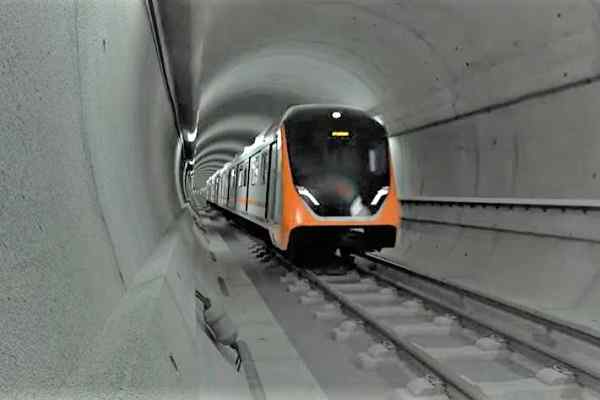 TBM ‘Parvati’ completes Underground Tunnelling on Kanpur Metro Phase 1 Project
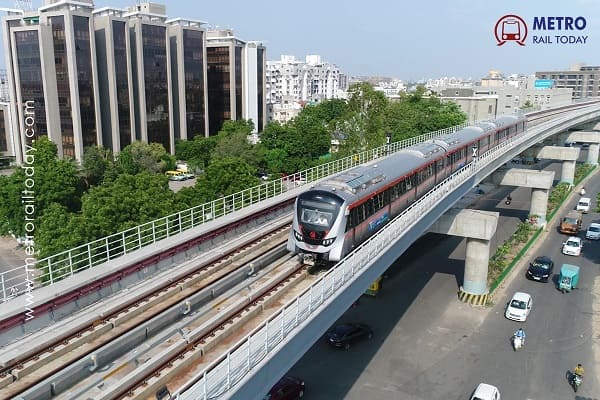 Surat Metro begins First Trial Run on 8.5 km Diamond Corridor between Dream City and Althan Tenement
The proposed RRTS is expected to significantly cut travel time between Chennai and Villupuram from nearly four hours by existing public transport to about one hour, offering a high-speed alternative for medium-distance commuters.
The Alandur–Villupuram corridor recorded the highest projected ridership among the alternatives studied, with an estimated daily ridership of 2.18 lakh passengers by 2032. The alignment originates at Alandur and runs via Chennai International Airport, Tambaram, the Kilambakkam Integrated Bus Terminus, Chengalpattu, Maduranthakam and Tindivanam before terminating at Villupuram.
The proposal also includes a 64.1-km spur linking Puducherry and Cuddalore, taking the total proposed network length to around 146 km. The RRTS is designed as a high-speed mass transit system for medium-distance travel of up to 180 km, with infrastructure provisions allowing scalability up to 300 kmph in the future.
Within Chennai city limits, the corridor is planned to run entirely underground between Alandur and Kilambakkam to address dense urban development and right-of-way constraints. Beyond Kilambakkam, the alignment transitions into elevated and hybrid sections along road medians, roadsides and select greenfield stretches, broadly following the GST Road and the Chennai–Nagapattinam Highway.
Strategically, the corridor is positioned as a southern growth spine for Tamil Nadu. It is expected to ease congestion along National Highway 45, enable multimodal integration, and promote environmentally sustainable regional mobility. Officials believe the project could help manage urban sprawl by allowing residents to live in satellite towns while maintaining access to employment hubs in Chennai, thereby reducing logistics costs and strengthening regional connectivity.
Chengalpattu has emerged as a key employment and trip-attraction hub, driven by large IT parks and tourism-related travel. Villupuram’s expanding residential, educational, transport and commercial activities reinforce its role as a regional connectivity centre. Together, Chennai, Chengalpattu and Villupuram are viewed as an integrated urban-economic corridor with sustained and growing travel demand.
Notably, the feasibility report proposes night-time freight operations, positioning the RRTS as a multi-purpose economic corridor rather than a passenger-only system. This approach aligns with the Atmanirbhar Bharat vision by strengthening domestic supply chains, supporting Make-in-India manufacturing and potentially lowering logistics costs, which currently account for 13–14 percent of India’s GDP.
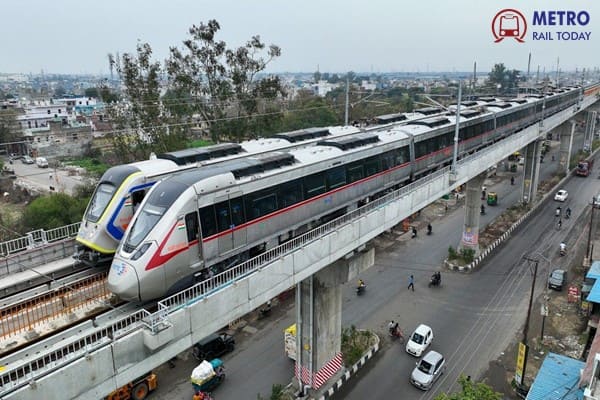
The report proposes a maximum operating speed of 160 kmph in the initial phase, with scope for upgrades subject to design provisions. It references the Delhi–Meerut RRTS, developed indigenously under the Make in India policy and designed for 160 kmph operations, as a benchmark. The Chennai–Villupuram proposal suggests operating eight-car trainsets with provisions for standing passengers to accommodate high ridership demand.
If approved, the Chennai–Villupuram RRTS could become a transformative regional mobility project, reshaping travel patterns across southern Tamil Nadu while supporting economic growth and sustainable transport development.