


Trending Now
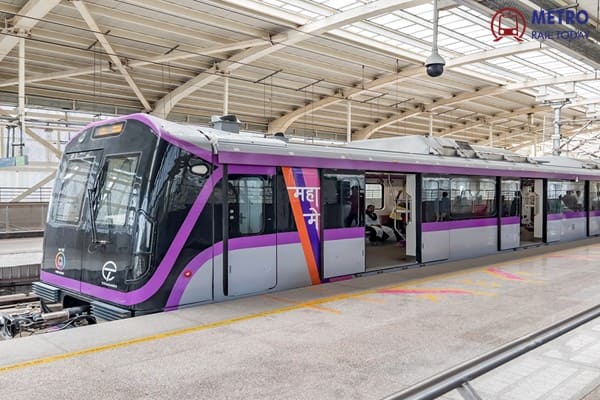 Siemens Bags Order from Titagarh Rail Systems for Pune Metro Extension Trainsets
 Titagarh Rail Systems becomes Corporate Member of Chamber of Railway Industries (Rail Chamber)
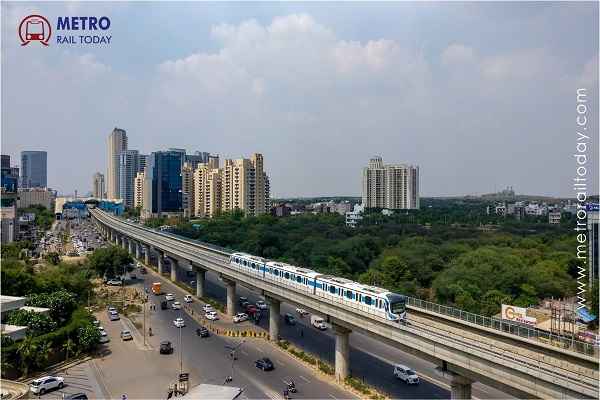 World Bank approves ₹1,400 crore Civil Tender for Gurugram Metro Phase 2
 Bi-RIDE invites ₹200 crore Tender for Soladevanahalli Depot of Bengaluru Suburban Rail Project
 GHV India awarded ₹107.79 crore Civil Contract for Lucknow Metro East-West Corridor
 Pune Metro Line 3 set to launch First 12-km Section on 15 July 2026
 DMRC gets approval to Fell or Transplant 364 Trees for Central Vista Metro Corridor under Phase IV
 ₹4.5 Lakh crore Metro Rail Investment reaches less than 5% of Urban Population in India
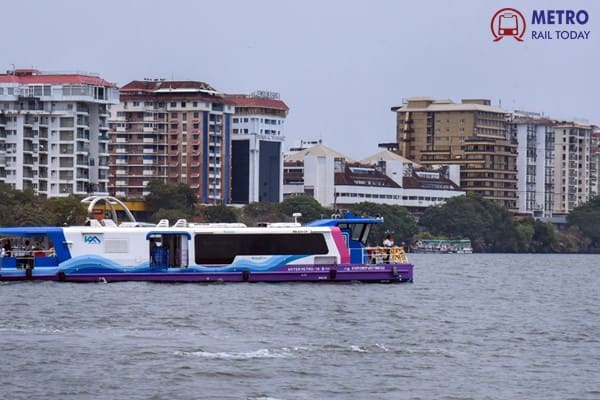 West Bengal plans to launch Water Metro Systems in Kolkata
- Titagarh Rail Systems targets full Indigenous Aluminium Coach Manufacturing by FY2027
Thiruvananthapuram Metro DPR faces fresh delay amid Population Norm uncertainty
MRT Online Desk
Posted on: 2026-01-05 16:30:00
Viewer: 1,221
Comments: 0
Country: India
City: Thiruvananthapuram
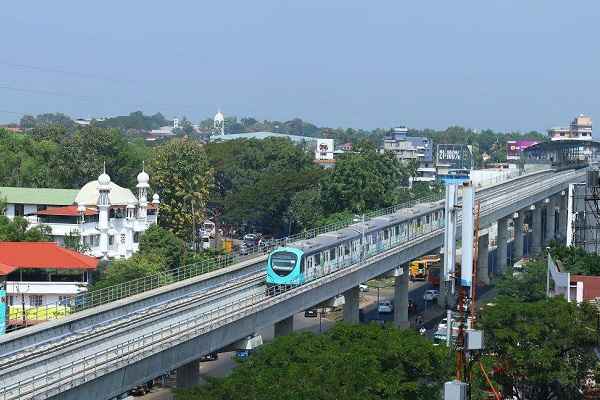
Thiruvananthapuram, India (Metro Rail Today): Plans for the long-awaited Thiruvananthapuram Metro Rail project have encountered another hurdle, with uncertainty surrounding national population eligibility norms delaying the submission of the revised Detailed Project Report. Kochi Metro Rail Limited, the implementing agency for the project, has stated that the DPR cannot be forwarded to the Centre until there is clarity on population criteria under the National Metro Rail Policy, 2017.
The Kerala government had earlier approved a revised metro alignment of approximately 31 kilometres from Pappanamcode to Enchakkal, featuring 27 stations. The proposed corridor is intended to connect several of the capital city’s key activity centres, including Technopark, the Medical College, Kazhakkoottam, Akkulam, Thampanoor bus terminal, the central railway station, the Secretariat and Thiruvananthapuram International Airport. Officials believe this alignment would significantly improve east-west and north-south mobility while easing congestion on arterial roads.
However, the revised DPR, which is being prepared by Delhi Metro Rail Corporation, has been put on hold due to concerns over compliance with central norms. Kochi Metro Rail Limited Managing Director Loknath Behera said the agency needs absolute clarity on population eligibility before formally submitting the proposal. He underlined that strict adherence to the National Metro Rail Policy is essential to prevent the project from being rejected at an advanced stage.
Under the 2017 policy, conventional metro rail systems are typically recommended for cities with an urban population of around 20 lakh or more. Behera pointed out that an earlier proposed alignment stretching from Neyyattinkara to Attingal aligned more comfortably with these benchmarks compared to the current Pappanamcode–Enchakkal corridor.
Concerns have intensified following recent decisions by the Union government. In November 2025, the Detailed Project Reports for the Coimbatore and Madurai Metro projects were returned after failing to meet prescribed population and ridership norms, with the Centre suggesting alternative mass transit options such as Bus Rapid Transit Systems. These developments have prompted authorities in Kerala to exercise caution before moving forward.
According to the 2011 Census, Thiruvananthapuram city has a population of around 16.8 lakh, while current estimates for the core urban area are believed to be lower. However, urban planners argue that the wider metropolitan region, which includes surrounding urbanising zones, is projected to exceed 23 lakh and should be considered while assessing eligibility. They contend that excluding the larger catchment area undermines the long-term mobility requirements of the capital region.
Offering an industry perspective, Mrs. Mamta Shah, Managing Director and CEO of Urban Infra Group, said rigid application of population thresholds needs to be balanced with future growth realities. “Capital cities like Thiruvananthapuram have unique functional roles that go beyond present census numbers. Metro systems should be evaluated not only on current population but also on projected growth, economic significance and the ability to shape sustainable urban development over the next several decades,” she said.
Despite the delay, the Kerala government has maintained that the project remains a priority, with preparatory infrastructure work already underway along key stretches. Officials remain hopeful that greater clarity from the Centre on policy interpretation will help unlock progress for the Thiruvananthapuram Metro, which is seen as critical to the city’s long-term transport and development strategy.


MRT Online Desk
Metro Rail Today is an authentic and global news provider for the Rail & Metro industry from and around the world.