


Trending Now
 India commissions 1,506-km dedicated freight railway corridor connecting JNPA to New Dadri
 Exclusive Interview with Uwe Sperber, Site Manager, Hubner Interface Systems India
 Bangalore Metro floated tender for 13.8-km Phase-3 Double-Decker Rail Infrastructure
 AECOM–NIPPON KOEI JV appointed as PMC Consultant for Chennai Metro Phase 1 capacity enhancement
 EPC Leader Larsen & Toubro Ltd (L&T) joins Chamber of Railway Industries as Corporate Member
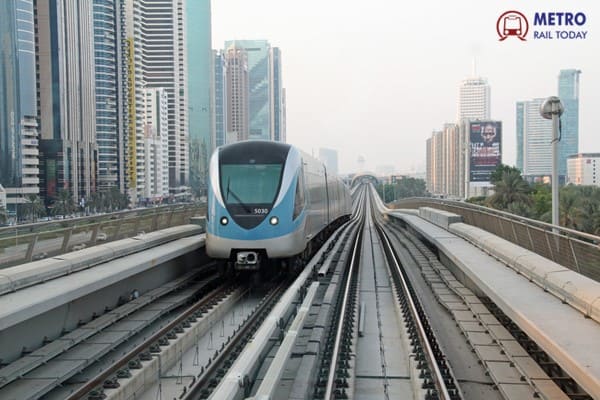 Contractor prequalification deadline for Dubai Metro Gold Line is extended to October 9
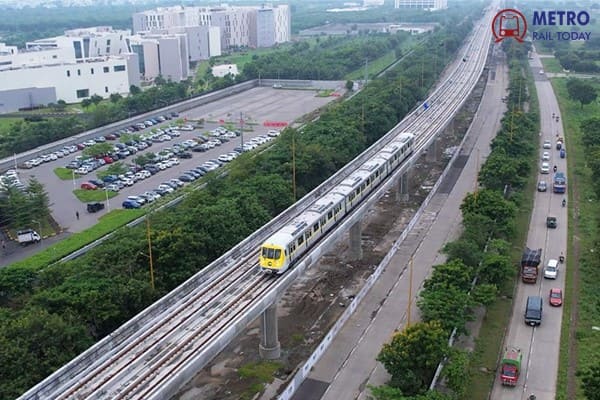 Indore Metro Rail Network expands to 17 km as Priority Corridor 2 opened to public
 Jaffer PC appointed as Managing Director of Bangalore Metro Rail Corporation (BMRC)
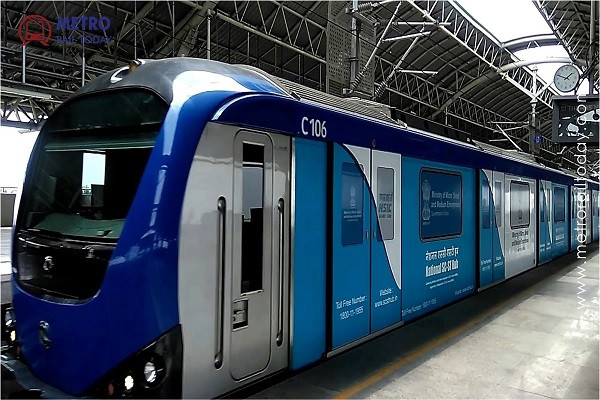 CMRL appoints Systra to prepare Multi-Modal Integration DPR for Chennai Metro Phase 1 stations
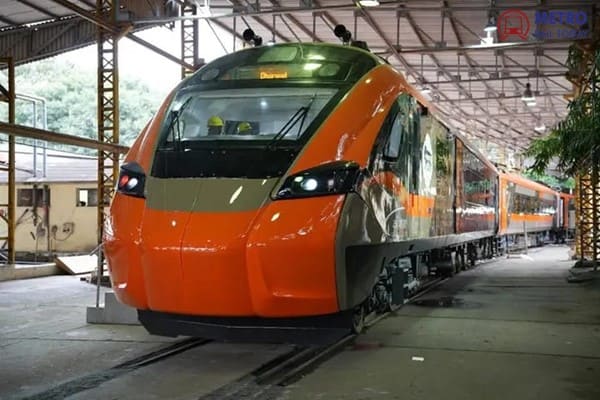 BEML secures additional ₹180.60 crore Rolling Stock Order for Vande Bharat Sleeper Trainsets
Transformative Impact of Metro Rail Development on Economic Growth
Dr. Vinod Shah
Posted on: 2023-12-02 09:15:00
Viewer: 3,820
Comments: 0
Country: India
City: New Delhi
In the ever-evolving landscape of urban development, the transformative impact of metro rail systems on economic growth cannot be overstated. As we navigate the complexities of modern city life, the role of metro rail in catalyzing economic prosperity has emerged as a key driver. This article unravels the multifaceted dimensions of how metro rail development acts as a linchpin for economic advancement, revolutionizing the urban fabric.
Infrastructure Renaissance
The initiation of metro rail projects sparks a renaissance in urban infrastructure. Take, for instance, the exemplary case of the Singapore Mass Rapid Transit (MRT) system. This state-of-the-art metro network not only alleviates congestion but also triggers a surge in demand for construction materials, engineering expertise, and skilled labor. The extensive development of metro stations, tracks, and maintenance facilities becomes the backbone of economic prosperity, laying the groundwork for sustained industrial growth.
Employment Surge and Skill Augmentation
Metro rail projects serve as incubators for job creation across diverse skill sets. Consider the success story of the Dubai Metro, a beacon of efficiency and innovation. The sprawling metro system has been instrumental in generating employment opportunities for construction workers, engineers, station staff, and security personnel. Beyond mere job creation, these projects foster skill enhancement and training programs, nurturing a robust human capital that fuels sustained economic growth.
Real Estate Dynamics: Metro Stations as Hubs of Development
Metro stations emerge as epicenters of urban development, sparking a remarkable surge in real estate dynamics. The Hong Kong MTR, renowned for its extensive reach, transforms surrounding areas into prime real estate zones. The strategic location of metro stations propels the development of commercial and residential complexes, creating a symbiotic relationship between metro rail and real estate that fuels economic growth in unprecedented ways.
Supply Chain Amplification: Creating an Industrial Ecosystem
Metro rail systems create a ripple effect across various industries within the supply chain. Take the iconic London Underground as an example. This venerable metro system stimulates demand for goods and services, triggering a flourishing ecosystem of suppliers and manufacturers. From steel and concrete providers to electronics and technology manufacturers, the interdependence fostered by metro rail developments amplifies industrial growth and augments economic prosperity.
Economic Diversification: Fostering a Dynamic Business Environment
The implementation of metro rail projects attracts businesses eager to capitalize on enhanced connectivity. Exemplifying this is the success of the Paris Metro, an embodiment of urban sustainability. Retailers, restaurants, and service providers flock to areas near metro stations, fostering economic diversification. The accessibility provided by metro rail systems creates an environment conducive to business flourishing, expanding the industrial portfolio of the region.
Environmental Sustainability: Propelling Green Innovations
Metro rail projects, with their inherent emphasis on sustainable transportation, act as catalysts for innovation in green technologies. The Delhi Metro in India is a prime example. The commitment to environmental sustainability prompts the development and adoption of energy-efficient solutions, renewable energy sources, and eco-friendly construction practices. This commitment not only aligns with global environmental goals but also propels the growth of industries specializing in green technologies.
Paving the Way for Sustainable Urban Prosperity
In conclusion, the transformative impact of metro rail development on economic growth is profound and far-reaching. Through the lens of successful projects like the Singapore Mass Rapid Transit, Dubai Metro, Hong Kong MTR, London Underground, and Paris Metro, it becomes evident that metro rail systems are not just modes of transportation but catalysts for economic advancement. As cities grapple with the challenges of the 21st century, the role of metro rail in shaping sustainable and prosperous urban centers becomes increasingly significant.


Dr. Vinod Shah
Dr. Vinod Shah is an experienced urban transport journalist, blogger and key opinion leader.