

Trending Now
 DMRC appoints Sanjay Jamuar as First CEO of Delhi Metro International Limited
 India launches first High Speed Bullet Train Manufacturing Complex in Bengaluru
 Spain investigates CAF’s role in Jerusalem Light Rail Project amid Human Rights allegations
 Dr. Amit Kumar Jain conferred Delhi CM’s Award 2026 for driving Digital Innovation in Urban Mobility
 UAE Approves AED 34 Billion First Fully Underground Dubai Metro Gold Line Project
 Power Mech Projects bags ₹296 crore O&M Contract for Mumbai Monorail Project
 Spain’s Hyperloop Startup Zeleros files for Insolvency amid funding crunch
 Siemens Mobility bags €325 Million Hydrogen Train Contract from Romania
 MMRDA issues PMC tender for Mumbai Water Metro Phase 1 Project
 IRFC 2.0: Financing India’s Rail Revolution with a New-Age Infrastructure Funding Model
Two firms compete for supply of Shinkansen Bullet trains to India’s first High-Speed Rail Project
MRT Online Desk
Posted on: 2024-05-21 07:10:00
Viewer: 6,941
Comments: 0
Country: India
City: New Delhi
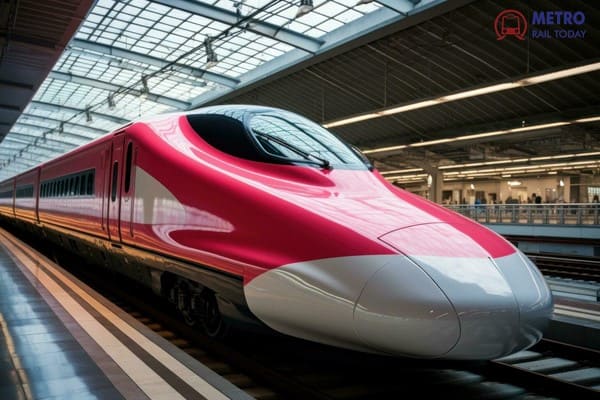
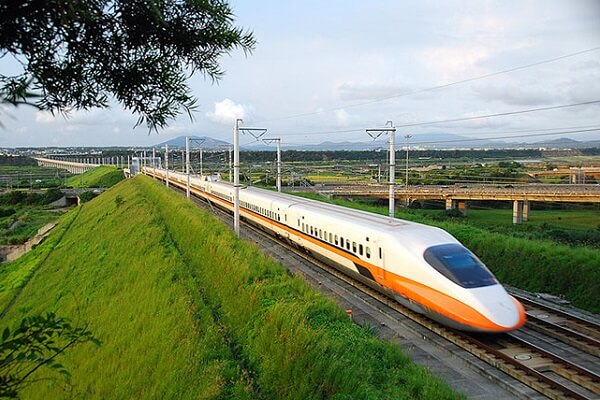
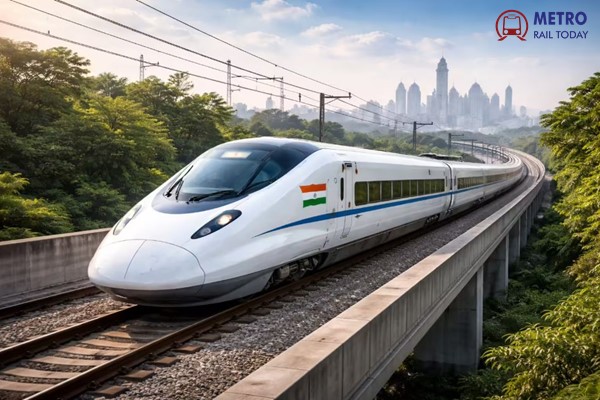
New Delhi, India (Metro Rail Today): In an exciting development for India's ambitious bullet train project, Japanese industrial giants Hitachi and Kawasaki have formed a consortium to supply the cutting-edge Shinkansen train sets. Indian Railways officials confirmed that discussions are underway to tailor the train designs to meet India's unique environmental and operational requirements.
The Japanese consortium has demonstrated a strong commitment to participating in the Mumbai-Ahmedabad High-Speed Rail project, agreeing to necessary design modifications. Given India's extreme weather conditions and operational needs, several key changes are being considered.
Indian officials emphasized the need for bullet trains to withstand the country's harsh climate, particularly high temperatures and prevalent dust. "The Japanese air conditioning systems in bullet trains are designed for temperatures up to 40 degrees Celsius. In India, they need to operate efficiently at temperatures reaching up to 50 degrees Celsius," an official explained. This requires significant technical adjustments to ensure optimal performance.
Cost considerations are also crucial for the Indian market. The consortium has been asked to explore ways to reduce expenses while adapting the trains to local needs. One such adaptation includes replacing Japan's high-end technical toilet systems with India's preferred bio-toilets. Additionally, all instructional documentation will be provided in English and Hindi to cater to the local population.
According to the loan conditions set by the Japan International Cooperation Agency (JICA), only Japanese manufacturers, such as Hitachi and Kawasaki, can bid for this project. The National High-Speed Rail Corporation Ltd (NHSRCL) plans to procure 18 bullet trains featuring Japan’s E5 Shinkansen technology, designed to operate at speeds up to 320 kilometers per hour.
Railway Minister Ashwini Vaishnaw recently shared a video update on X (formerly Twitter), showcasing significant progress in excavation and tunneling work for the project. The video highlighted the use of advanced geotechnical instruments to ensure enhanced safety and better monitoring.
As of the December progress report, the bullet train project is nearly 40% complete, with financial progress at 45%. The first phase of the project, covering a 50 km stretch in Gujarat, is slated for commissioning in July 2026.
This collaborative effort between India and Japan marks a significant milestone in advancing high-speed rail technology in India, promising to transform travel and set new standards in the country's transportation infrastructure.

MRT Online Desk
Metro Rail Today is an authentic and global news provider for the Rail & Metro industry from and around the world.