

Trending Now
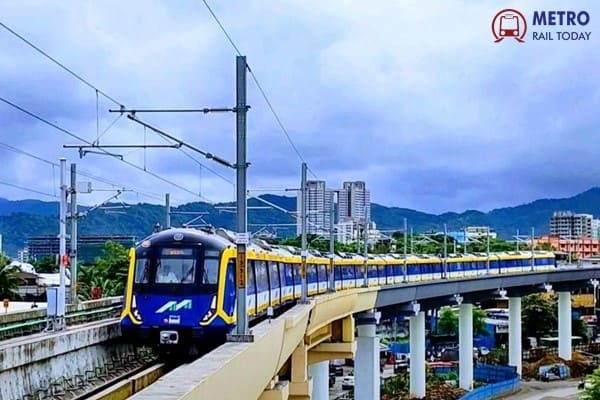 MMRDA seeks ₹14,100 Crore Loan for two upcoming Mumbai Metro Corridors
 Jupiter Wagons Eyes ₹20,000-Crore Mumbai Suburban Mega Rolling Stock Tender
 Mumbai Metro Chief Ashwini Bhide appointed as First Woman BMC Commissioner
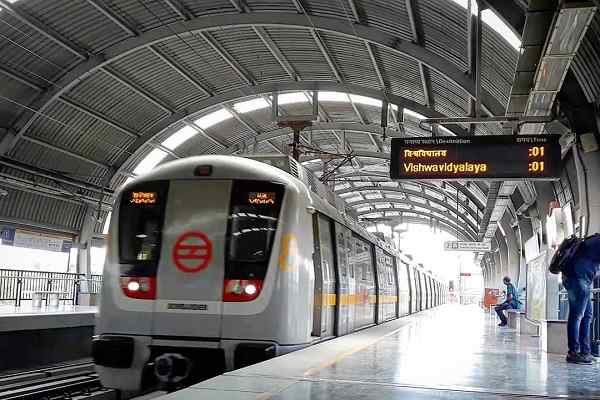
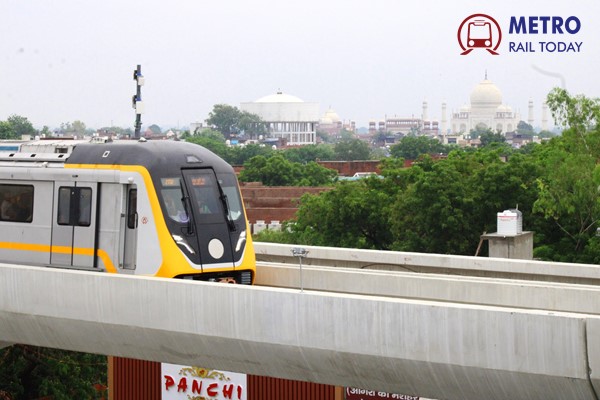
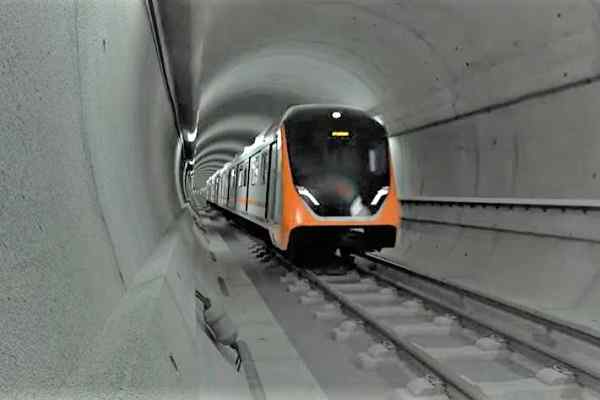 TBM ‘Parvati’ completes Underground Tunnelling on Kanpur Metro Phase 1 Project
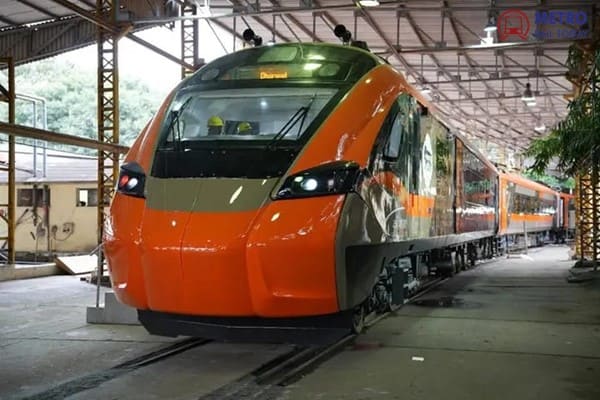
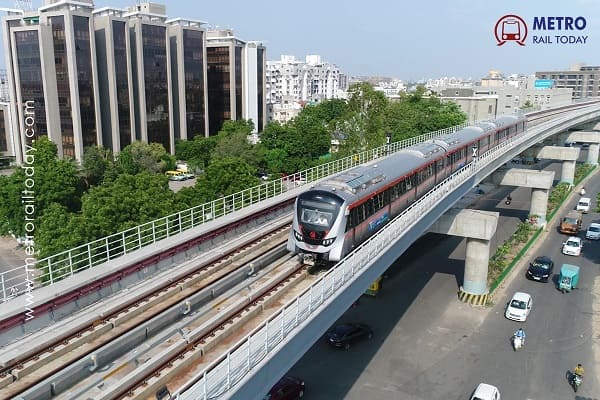 Surat Metro begins First Trial Run on 8.5 km Diamond Corridor between Dream City and Althan Tenement
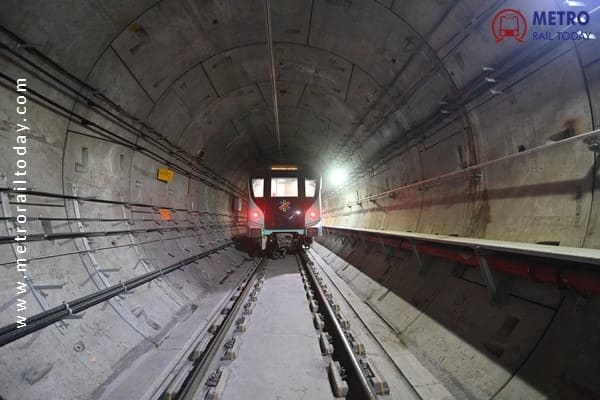 Cemindia wins ₹1,024 crore Civil Contract for Central Vista Tunnel Package of Delhi Metro Phase V
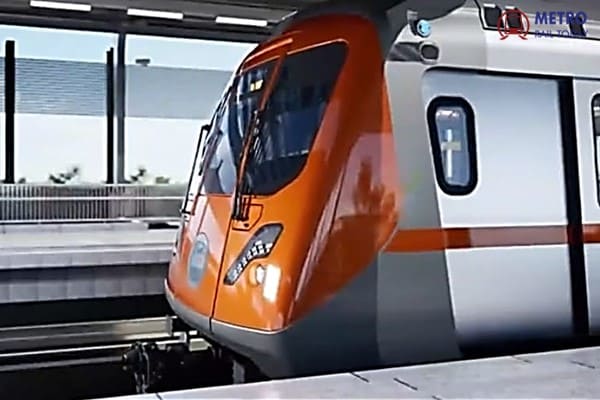 TBM ‘Durgavati’ begins tunneling works on Bhopal Metro Underground Stretch
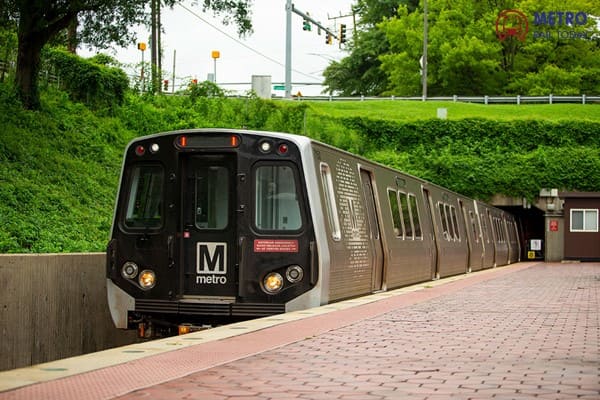 Washington Metro celebrates its Golden Jubilee—50 years of passenger service
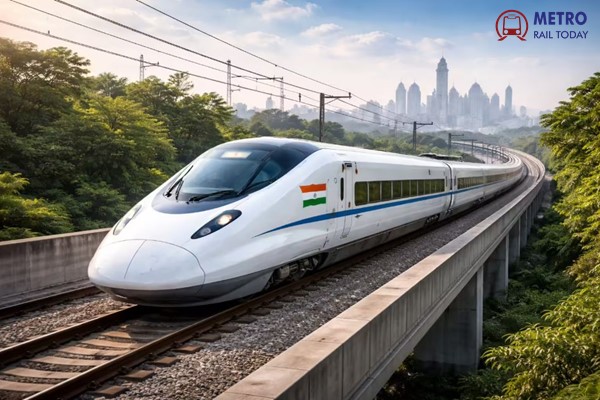 Two TBMs arrive in Mumbai for undersea tunneling on Mumbai-Ahmedabad Bullet Train Project
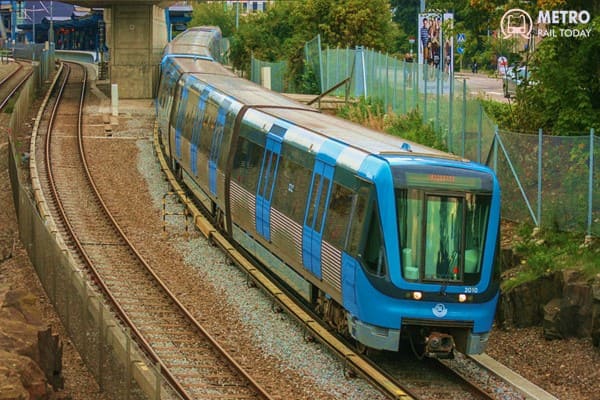 Alstom awarded €915 million Rolling Stock Contract for Belgrade’s First Driverless Metro Line
Global Railway System Market anticipated to reach US$42.4 billion by 2031
Dr. Vinod Shah
Posted on: 2024-03-13 06:45:00
Viewer: 1,966
Comments: 0
Country: India
City: New Delhi
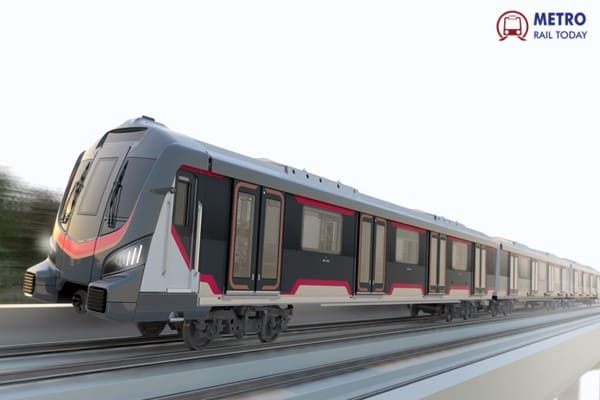
The global railway system market is undergoing a transformative journey, leveraging innovative technologies to enhance rolling stock performance and revolutionize the management of the rail industry. This intricate network encompasses an array of systems and services, from high-speed and subway trains to diesel cars, locomotives, passenger cars, and light rails.
Technological Integration and Advancements
Leading companies in the railway system market are at the forefront of innovation, introducing and integrating advanced technologies into rolling stock systems, power supply systems, and information systems. This includes propulsion systems, auxiliary power supply systems, air-conditioning systems, and signal communication systems. The adoption of these cutting-edge railway systems brings about a multitude of benefits, including reduced maintenance costs, enhanced safety, operational flexibility, improved reliability, and more predictable operation.
Market Drivers and Challenges
Several factors drive the growth of the railway system market. The increased allocation of budgets for railway development, the rising demand for secure and efficient transport systems, and the growth of public transport services to alleviate traffic congestion are significant contributors. Additionally, there is a growing demand for safety and compliance in rail transit, alongside an increasing need for passenger and freight capacity. However, challenges such as high capital requirements, technological infrastructure gaps in developing countries, and substantial overhaul and maintenance costs hinder market growth.
Opportunities for Growth
Despite challenges, the railway system market presents remarkable growth opportunities. Ongoing improvements in railway infrastructure in developing countries, technological advancements in autonomous rail and green transport, and the integration of automation and advanced technologies in the railway system are key drivers for the industry's expansion.
Market Segmentation
The railway system market is segmented based on type, end-use, system type, and region. Types include locomotives, metros, monorails, trams, freight wagons, passenger coaches, and others. End-use categories comprise passenger transit and cargo trains. At the same time, system types include auxiliary power, HVAC, propulsion, on-board vehicle control, train information, and train safety. Geographically, the market is analyzed across North America, Europe, Asia-Pacific, and LAMEA.
Market Size and Projections
As of 2021, the global railway system market was valued at $27.2 billion, with a projected growth to US$42.4 billion by 2031, representing a Compound Annual Growth Rate (CAGR) of 4.6% from 2022 to 2031.
Key Market Players
Prominent players in the railway system market include Alstom SA, TRANSMASHHOLDING, Knorr-Bremse AG, Stadler Rail AG, ABB Ltd., Siemens AG, Wabtec Corporation, Toshiba Corporation, Hitachi Ltd., and CRRC Corporation.
In conclusion, the global railway system market's dynamic landscape reflects challenges and immense opportunities for growth and innovation. The industry's trajectory is poised to reshape the future of transportation, emphasizing efficiency, safety, and sustainability.


Dr. Vinod Shah
Dr. Vinod Shah is an experienced urban transport journalist, blogger and key opinion leader.