


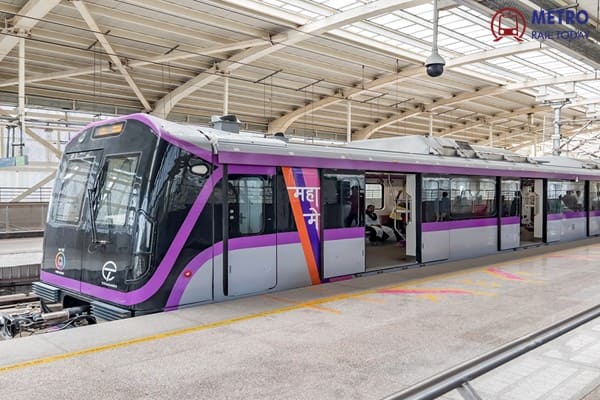
 Siemens Bags Order from Titagarh Rail Systems for Pune Metro Extension Trainsets
 Titagarh Rail Systems becomes Corporate Member of Chamber of Railway Industries (Rail Chamber)
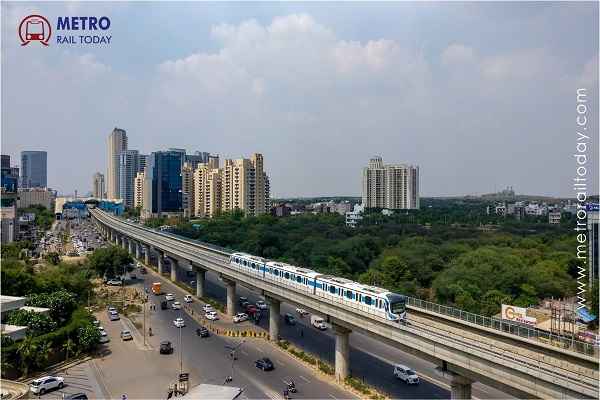 World Bank approves ₹1,400 crore Civil Tender for Gurugram Metro Phase 2
 Bi-RIDE invites ₹200 crore Tender for Soladevanahalli Depot of Bengaluru Suburban Rail Project
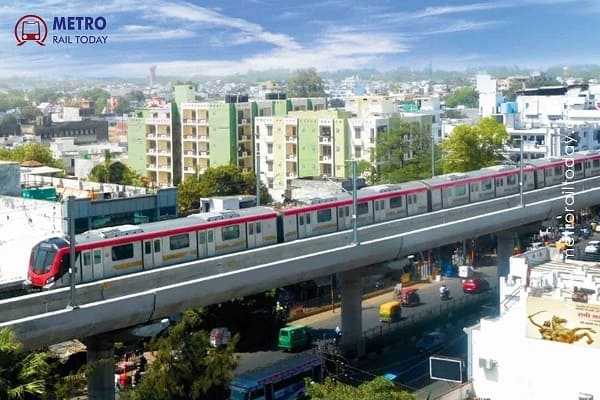 GHV India awarded ₹107.79 crore Civil Contract for Lucknow Metro East-West Corridor
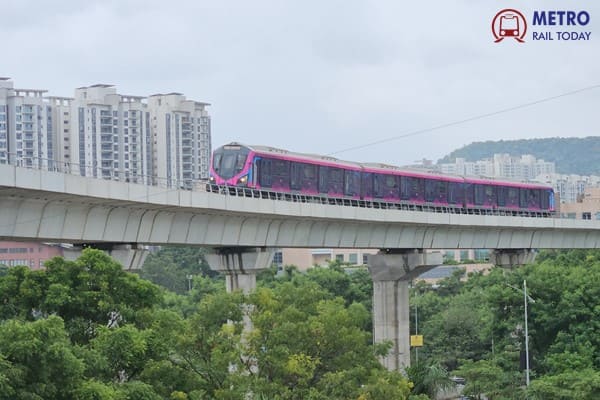 Pune Metro Line 3 set to launch First 12-km Section on 15 July 2026
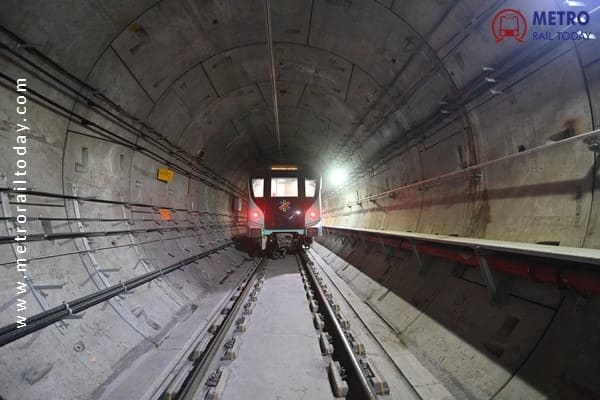 DMRC gets approval to Fell or Transplant 364 Trees for Central Vista Metro Corridor under Phase IV
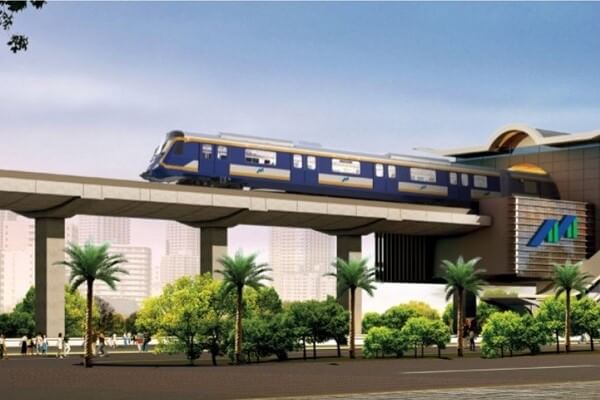 ₹4.5 Lakh crore Metro Rail Investment reaches less than 5% of Urban Population in India
 West Bengal plans to launch Water Metro Systems in Kolkata
India is undergoing one of the fastest urban transit transformations globally. With more than 950 km of operational metro networks and another 1,000 km-plus under construction, metro rail has moved far beyond being a city-level transport solution. It has become the backbone of daily mobility for millions of commuters across India’s rapidly expanding urban centres.
Despite this scale and strategic importance, metro rail continues to operate without a dedicated policy or administrative home. Oversight remains fragmented between the Ministry of Housing & Urban Affairs (MoHUA), state governments, and project-specific special purpose vehicles (SPVs). This dispersed governance structure has resulted in inconsistent standards, varying funding models, and prolonged decision-making cycles. As India advances toward its Developed India 2047 vision, this institutional gap has become increasingly difficult to justify.
A Structural Anomaly in India’s Transport Governance
India has long recognised the importance of dedicated institutional leadership for its major transport sectors. The country has separate ministries for railways, civil aviation, ports and shipping, and road transport and highways. Yet, metro rail—now one of the most complex and capital-intensive urban transport systems—remains without a standalone ministry.
This absence has tangible consequences. Policy formulation is slow, standards vary from city to city, project execution lacks uniformity, and accountability is often diffused across multiple agencies. As metro networks expand into Tier 2 and Tier 3 cities, these challenges are becoming more pronounced.
Need for a Unified National Policy Framework
Metro systems across India currently operate under different technical, operational, and financial frameworks depending on the state or SPV managing them. Variations exist in technology selection, signalling systems, procurement practices, fare policies, safety standards, station design, and multimodal integration.
A dedicated Ministry of Metro Railways would enable national-level standardisation, ensuring consistency across systems while allowing contextual flexibility. Such a framework would improve coordination between metros, city bus services, Indian Railways, and urban development agencies. It would also harmonise policies related to operations, maintenance, non-fare revenue, and passenger experience, leading to more efficient and user-centric systems nationwide.
Accelerating Decision-Making and Accountability
Metro rail projects often face delays because approvals must pass through multiple layers, including MoHUA, the Ministry of Finance, state departments, and various inter-ministerial committees. This multi-tiered process extends project gestation periods and inflates costs.
A single, empowered ministry would streamline approvals and decision-making, reducing delays in corridor sanctioning, procurement, financial closure, and public-private partnership frameworks. Faster execution would not only lower project costs but also improve investor confidence and implementation credibility.
Building a Stronger and More Predictable Funding Architecture
Metro projects are among the most capital-intensive infrastructure investments, requiring complex debt-equity structures, viability gap funding, and long-term financial planning. Currently, funding models vary significantly across cities, leading to uneven project sustainability.
A dedicated ministry could develop unified funding templates, establish long-term financing mechanisms, and deepen engagement with global funding agencies such as JICA, KfW, AIIB, and sovereign wealth funds. With metro expansion planned in over 100 cities in the coming decades, central leadership in financing will be critical to ensuring scalability and fiscal discipline.
Raising the Bar on Operations, Safety, and Quality
As metro networks expand beyond Tier 1 cities, maintaining consistent operational excellence becomes increasingly important. Today, metros operate at varying levels of maturity in terms of safety systems, maintenance practices, staff training, and cost efficiency.
A national ministry could introduce uniform safety regulations, common training and certification standards, standardised operations and maintenance frameworks, and shared best practices across systems. Centralised procurement models could also help reduce costs and improve reliability, particularly for newer metro systems with limited institutional capacity.
Aligning Metro Rail with Urban Development Goals
Metro rail systems are not just transport projects; they are powerful enablers of economic transformation. They influence land use patterns, drive transit-oriented development, enhance real estate value, create jobs, and support sustainable urbanisation.
A dedicated Ministry of Metro Railways would ensure that metro planning is closely aligned with national urban initiatives such as the Smart Cities Mission, AMRUT, the National Infrastructure Pipeline, and Gati Shakti. This alignment would replace fragmented city-specific approaches with a coherent national strategy that integrates mobility with urban growth.
Driving Innovation and Global Competitiveness
Metro rail is entering a new phase of technological evolution, encompassing net-zero mobility, AI-driven operations, indigenous signalling systems, green stations, digital ticketing, and smart maintenance using IoT and predictive analytics.
With one of the world’s largest metro ecosystems, India is well positioned to become a global hub for metro technology and services. A standalone ministry could catalyse this transition by supporting R&D, launching a dedicated technology mission for urban rail, promoting export-oriented manufacturing, and fostering global partnerships. National-level direction is essential to convert scale into global competitiveness.
The Case for a Ministry of Metro Railways
Metro rail is no longer a city-level initiative. It is critical national infrastructure that underpins productivity, sustainability, and urban quality of life. As networks expand into smaller cities and regional hubs, the need for policy coherence, institutional leadership, and long-term strategy becomes undeniable.
A dedicated Ministry of Metro Railways would bring clarity of vision, faster execution, stronger financing mechanisms, higher safety and operational standards, and truly integrated urban mobility across India.
Conclusion: A Reform Whose Time Has Come
Establishing a Ministry of Metro Railways is not a bureaucratic reshuffle; it is a strategic reform that can accelerate India’s urban mobility revolution. With focused institutional leadership, India can achieve faster project delivery, improved safety, deeper innovation, and globally competitive metro systems.
As the country aspires to a $10 trillion economy by 2035 and a Developed India by 2047, this reform is timely and essential. India’s metro ecosystem is ready, its cities are ready, the technology is ready—and the moment to act is now.