

Trending Now
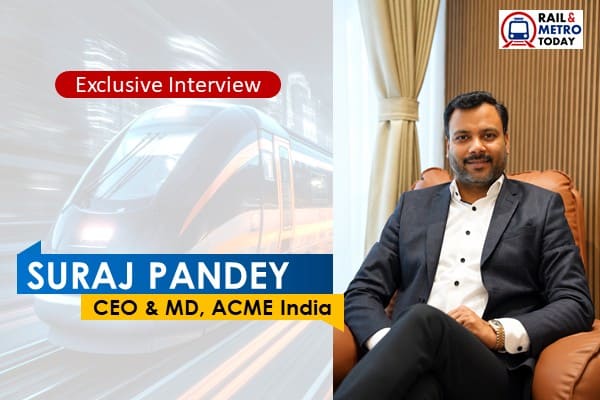 Exclusive Interview with Suraj Pandey, CEO & Managing Director, ACME India Industries Ltd
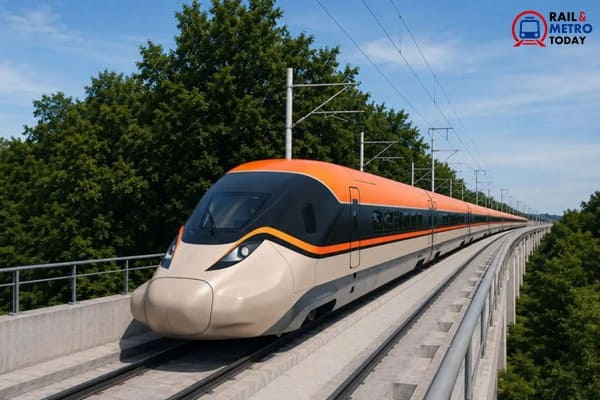 OHE System Energised on Surat–Bilimora Section of Mumbai–Ahmedabad Bullet Train Project
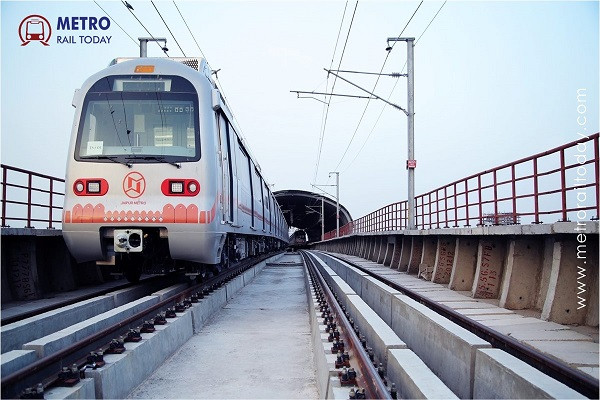 Seven Bidders Qualify for Elevated Viaduct and 12 Stations Contract of Jaipur Metro Phase 2
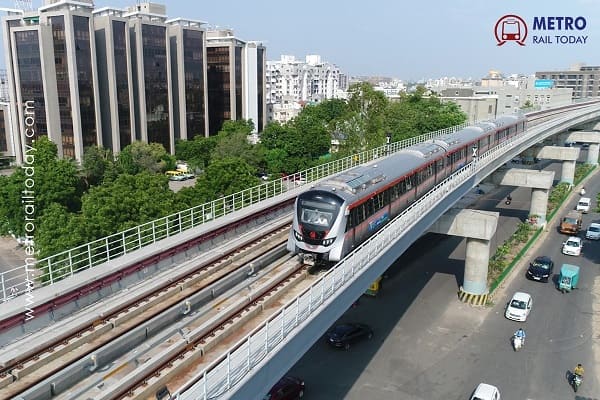 STUP Consultants–Assystem JV wins ₹14.20 crore Design Consultancy for Ahmedabad Metro
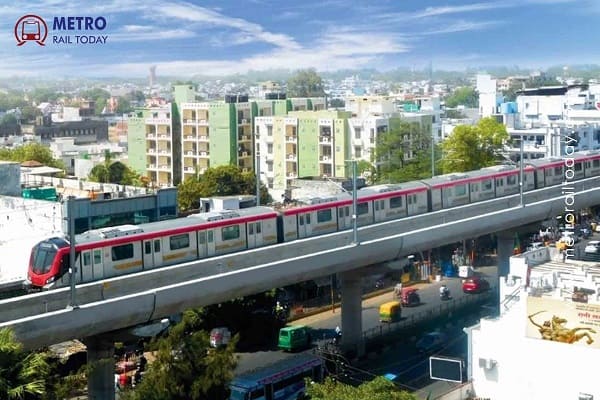 Three Global Firms bid for General Consultancy Contract of Lucknow Metro Phase 1B Project
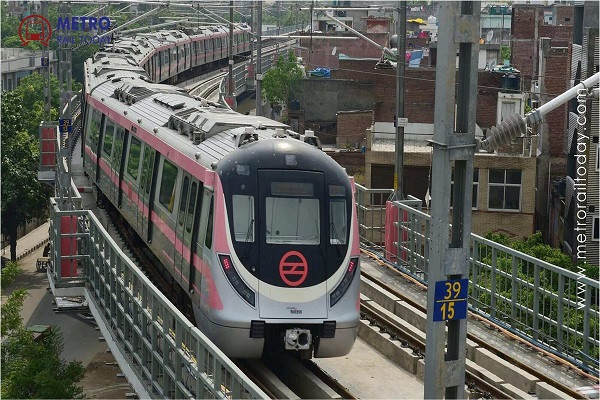 ETA Engg - PISCESIA JV awarded ₹225.87 crore E&M Contract for Delhi Metro Phase 5A Project
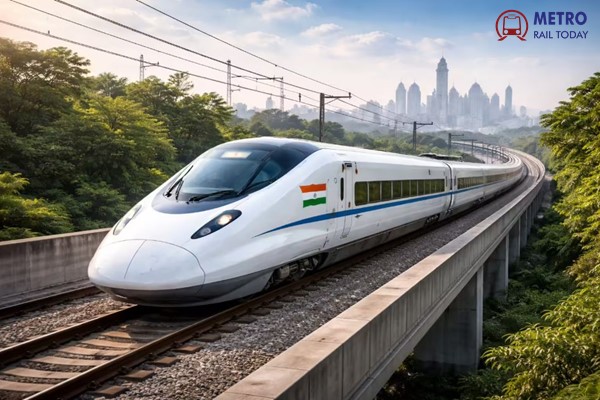 Mumbai–Ahmedabad Bullet Train cost rises to ₹2.03 Lakh crore; ₹92,761 crore spent by March 2026
 Global Rail & Metro Infrastructure Market to Reach USD 462.13 Billion by 2033
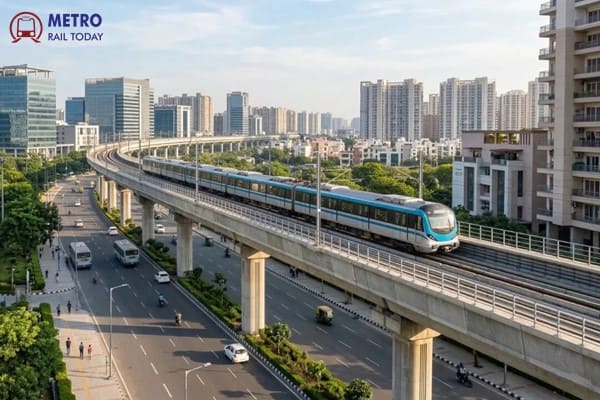 Malaysia awards RM2.69 billion contract for Penang Mutiara Line’s Cross-Sea LRT Extension
 Afcons Infrastructure wins ₹876.51 crore contract for Pune Metro Viaduct and Elevated Road Project
Exclusive Interview with Suraj Pandey, CEO & Managing Director, ACME India Industries Ltd
MRT Online Desk
Posted on: 2026-11-23 07:56:00
Viewer: 44
Comments: 0
Country: India
City: New Delhi
In an exclusive interaction with Rail & Metro Today, Mr. Suraj Pandey, CEO & Managing Director, ACME India Industries Ltd., shares the entrepreneurial journey behind the company’s evolution into an emerging player in India’s railway interiors and coach refurbishment segment. From identifying gaps in passenger amenities to introducing innovative solutions in coach interiors, safety, accessibility and refurbishment, his journey reflects a deep understanding of the evolving requirements of Indian Railways. In this insightful conversation, Mr. Pandey discusses the milestones that have shaped ACME India, the engineering and operational challenges of the railway interiors business, his leadership philosophy, and the opportunities emerging from the modernisation of India's vast railway network. He also shares his vision of transforming ACME into a diversified, technology-driven and vertically integrated railway solutions company.
ACME India Industries has developed significant expertise in railway coach furnishing, refurbishment, toilet modernization and specialized component manufacturing. Could you share the company's journey, its core strengths and how it has evolved as a specialized supplier to the Indian Railways ecosystem?
Our journey began in 2012 followed by the introduction of Braille signage for Divyangjan passengers in 2013 and introduction of fire-retardant epoxy flooring in 2016. From 2017 onwards, we expanded into turnkey coach furnishing, refurbishment, conversion and toilet modernization. What began as a specialized product business gradually evolved into a broader railway interior solutions enterprise. The business was incorporated as ACME India Industries Private Limited in December 2021 and converted into a public limited company in July 2024, marking an important step in its institutional growth.
Over the years, our focus has been on building capabilities across the railway coach lifecycle rather than limiting ourselves to individual product categories. Today, we have a presence across 16 railway zones and three railway production units. As of September 30, 2026, we had completed new coach furnishing of 2,000 coaches, refurbished 2,500 coaches and 11,400 toilets modernized. Our strengths lie in combining manufacturing, product development, engineering and large-scale project execution— Across the Entire Lifecycle. We see our role as technologically advanced integrated solutions partner across the entire lifecycle of railway coaches — from concept and design to manufacturing, upgradation, refurbishment and repair & maintenance, by way of technological advancement.
Your company has reportedly refurbished 2,500 railway coaches, completed 28 new coach furnishing projects covering 2,000 coaches and modernized 11,400 toilet units. What have been the key factors behind these achievements, and how do they reflect ACME's technical expertise and project execution capabilities?
These achievements have been driven by the gradual expansion of the company's product portfolio, its ability to undertake diverse railway projects and a strong understanding of the technical requirements of Indian Railways. Over the years, ACME has developed capabilities across turnkey coach furnishing, refurbishment, conversion, toilet upgradation and the supply of specialized railway components. Its experience across 28 different coach variants has also helped build a wider understanding of the varying specifications and execution requirements across the railway ecosystem.
Another important factor has been the emphasis on manufacturing and engineering capabilities. The company's infrastructure supports product development, testing and quality control, enabling it to work towards the technical specifications required for railway applications. As of September 30, 2026, ACME had furnished 2,000 new coaches, refurbished 2,500 coaches and modernized 11,400 toilets. Its presence across 16 railway zonesplus 3 production units & 2 mid-life rehabilitation units has further strengthened its understanding of operational requirements. These achievements reflect the importance of combining product capabilities, manufacturing infrastructure and execution experience. This foundation will continue to Transform Every Rail Journey in India Through Safer, Smarter and More Sustainable Coach Solutions — Across the Entire Lifecycle.
While Indian Railways is investing significantly in new-generation trains such as Vande Bharat and Amrit Bharat, a large fleet of conventional coaches continues to serve millions of passengers. How important is the refurbishment and modernization of existing coaches in achieving a comprehensive transformation of Indian Railways?
The modernization of Indian Railways cannot be viewed only through the introduction of new trains and coaches. While initiatives such as Vande Bharat and Amrit Bharat are important milestones in improving passenger experience, a large existing fleet will continue to serve millions of passengers. Upgrading this fleet is equally important to achieving a comprehensive transformation of the railway network.
Refurbishment allows railway authorities to improve interiors, replace ageing components, upgrade passenger facilities and address changing expectations without relying entirely on new coach additions. It also helps improve the functionality and service life of existing assets. At ACME, this segment has been an important part of the business, with capabilities spanning coach refurbishment, conversion, interior upgrades and toilet modernization. As of September 30, 2026, ACME had furnished 2,000 new coaches, refurbished 2,500 coaches and modernized 11,400 toilets. This experience reinforces the importance of a balanced approach to railway development, where investments in new-generation trains progress alongside the systematic modernization of existing coaches. Both are essential to improving passenger convenience, safety and the overall quality of railway services.
Passenger expectations regarding cleanliness, comfort, aesthetics and onboard amenities are continuously increasing. What innovations in coach interiors, seating, berths, toilet systems and passenger facilities can significantly improve the overall travel experience? How does ACME address durability, safety and quality requirements?
Passenger experience is shaped by several elements within a coach, from seating and berths to flooring, ceilings, toilet facilities, accessibility and the materials used in the interiors. As expectations evolve, there is a growing need for products that offer better comfort, hygiene, aesthetics and functionality while meeting the demanding operational requirements of Indian Railways.
ACME’s product portfolio includes FRP panels and ceilings, seats and berths, toilet doors, washbasins, intercommunication doors, Braille signage and other specialized railway components. Each of these products addresses specific requirements within the coach interior ecosystem. The company has also developed solutions such as a two-sided opening intercommunication door mechanism to address specific operational requirements in air-conditioned coaches and to support quicker passenger movement in an emergency.
Durability and safety remain equally important considerations in product development, and fire safety is a particular priority. In a coach interior, even a small ignition source such as a discarded cigarette can pose a risk, especially in high-sensitivity areas like toilets, gangways and doors. ACME introduced EN 45545-compliant fire-retardant epoxy flooring to Indian Railways in 2016, and its fire-safety portfolio now includes fire-barrier decorative coatings, fire-worthy doors, new fire-resistant interior materials and fire detection and suppression solutions. ACME focuses on applicable railway specifications and fire-safety requirements, including relevant EN 45545 standards for products within their certified scope. Its manufacturing and in-house testing capabilities, including flame-spread testing, support quality checks and product development. Going forward, the adoption of advanced materials, improved ergonomics and more sustainable interior solutions will play an important role in enhancing passenger experience while ensuring reliability over extended operational use.
How is ACME India Industries contributing to the Make in India and Atmanirbhar Bharat initiatives through indigenous manufacturing and railway engineering solutions? What role do research and development, technology partnerships and product innovation play in developing solutions suited to Indian Railways' operational requirements?
The development of indigenous manufacturing capabilities is important to building a self-reliant and globally competitive railway ecosystem. ACME's journey reflects this focus through the gradual expansion of its manufacturing and product development capabilities across FRP products, aluminum polymer composite sanitary ware, coach interiors, doors, toilet components and other specialized railway applications.
At the same time, indigenous manufacturing must evolve alongside global technological advancements. ACME's approach has been to combine domestic manufacturing capabilities with technology collaborations in areas such as specialized doors, aluminum materials, polyurethane coating solutions and passenger information systems. These collaborations help expand the company's product capabilities while supporting the development of solutions suited to Indian Railways' specific operating conditions and technical requirements.
The company's ISO 9001:2015 and ISO 15085 certifications reflect its focus on established quality and manufacturing processes. Research, engineering and product development will continue to be important in strengthening its capabilities. The larger opportunity for Indian manufacturers lies in moving beyond conventional component supply towards greater product engineering, technology adoption and value addition. This will be critical to supporting India's railway modernization ambitions while strengthening the domestic manufacturing ecosystem.
With substantial capital investment planned for railway infrastructure and rolling stock modernization, what new business opportunities do you foresee for specialized domestic manufacturers over the next five years? How is ACME preparing its manufacturing capacity, supply chain and project execution capabilities to meet growing industry demand, particularly considering its reported order book of ₹727.54 crore as of September 30, 2026?
The next five years present significant opportunities for specialized railway manufacturers across turnkey coach furnishing, refurbishment, toilet modernization, component manufacturing and maintenance services. The introduction of new-generation trains will create demand for advanced interior products, while the modernization of existing rolling stock will generate sustained requirements for refurbishment, replacement and repair. There is also increasing relevance for lightweight, durable and environment-friendly materials in railway interiors.
ACME's order book stood at ₹727.54 crore as of September 30, 2026, about 2.76 times its FY26 revenue from operations, reflecting the range of projects and supply requirements the company is addressing. These include toilet modernization, supplies to Indian Railways and private clients, refurbishment and new coach furnishing. Its existing manufacturing infrastructure, product portfolio and execution experience across 16 railway zones provide a foundation to participate in these opportunities.
The company's focus is on strengthening its existing product portfolio, expanding manufacturing capabilities and growing its recently launched wagon repair and maintenance business, where it has secured initial orders of about ₹33 crore. Continued attention to supply chain efficiency, product quality and project execution will also be important as business requirements grow. The objective is to build capacity in line with emerging opportunities while ensuring that growth is supported by the technical and operational capabilities required to deliver consistently.
What are the major challenges faced by specialized railway manufacturers in India, particularly regarding tendering procedures, pricing pressures, quality compliance, raw material costs and project execution? What policy measures or institutional support would help strengthen domestic railway manufacturing?
The railway manufacturing and supply ecosystem involves several operational and commercial challenges. One of the key aspects is the tender-based procurement process, where project availability, eligibility requirements, pricing and competition can influence business opportunities. Companies operating in this sector must also align their manufacturing and execution capabilities with the technical specifications and timelines outlined for individual projects.
Raw material availability and price fluctuations can affect manufacturing costs, while changes in project specifications, execution timelines and payment cycles can have implications for working capital and operational planning. These are particularly important considerations for companies managing multiple projects simultaneously.
A more predictable procurement environment, timely project approvals and efficient payment processes would help domestic manufacturers plan investments and capacity expansion with greater confidence. There is also a need to encourage indigenous product development and provide greater opportunities for Indian manufacturers to participate in developing specialized railway technologies. Continued collaboration between railway authorities and industry participants will be important in addressing these challenges and building a stronger domestic manufacturing ecosystem.
Looking ahead to 2030 and India's Viksit Bharat 2047 vision, how do you see the railway manufacturing, coach refurbishment and passenger amenity sectors evolving? What are ACME India Industries' future expansion plans, strategic priorities and long-term ambitions within the railway and transportation industry?
India's railway sector is entering an important phase of transformation. As the country progresses towards its 2030 infrastructure goals and the larger Viksit Bharat 2047 vision, the demand for advanced manufacturing, improved passenger amenities, technology integration and efficient asset maintenance is expected to evolve. The focus will increasingly extend beyond building new infrastructure to ensuring that existing assets are modernized, maintained and made more efficient.
For ACME, the long-term focus is on strengthening its existing capabilities while developing solutions aligned with the changing requirements of Indian Railways. The company's priorities include expanding manufacturing and product development capabilities, strengthening its presence in coach furnishing and refurbishment, and scaling its newly entered repair and maintenance business. Technology collaborations in specialized doors, aluminum materials, polyurethane coating solutions and passenger information systems also form part of its stated business strategies.
There is also potential to leverage the company's engineering and manufacturing capabilities across adjacent transportation segments over time. Sustained investment in product development, quality processes and execution capabilities will remain central to this journey. The larger ambition is to build on the company's existing experience and evolve into a stronger, more integrated railway engineering and manufacturing enterprise.
Railway Leadership Summit 2026, scheduled for 19th December 2026 at National Rail Museum Auditorium, New Delhi, aims to bring together policymakers, railway authorities, industry leaders, manufacturers and technology providers to discuss the future of India's railway sector. How important do you consider such industry platforms for knowledge exchange, business networking and collaboration? Would ACME India Industries be interested in participating in the summit to showcase its achievements, innovative solutions and contribution to railway modernization?
The transformation of India's railway sector requires collaboration across the entire ecosystem, including policymakers, railway authorities, manufacturers, technology providers and other industry participants. Platforms such as the Railway Leadership Summit 2026 can play an important role in bringing these stakeholders together to exchange perspectives on emerging requirements, technological advancements and the direction in which the industry is moving.
With the railway sector evolving across passenger amenities, coach interiors, safety, manufacturing and refurbishment, such forums provide an opportunity to share practical industry insights and understand the requirements shaping the future. For ACME, these discussions are particularly relevant given its experience across coach furnishing, refurbishment, toilet modernization and specialized component manufacturing. They also create opportunities to engage with stakeholders and explore areas of potential collaboration.
Constructive dialogue between industry participants and railway authorities will be important in building a more responsive manufacturing ecosystem. ACME would be open to exploring relevant participation opportunities, subject to the nature of the engagement and the company's plans.
The 7th RailTrans Expo 2027, scheduled for July 1–3, 2027, at Bharat Mandapam, New Delhi, is expected to bring together leading domestic and international railway and transportation industry stakeholders. How do you view the importance of participating in this exhibition as a platform to demonstrate ACME's manufacturing capabilities, showcase its products and technologies, connect with potential business partners and highlight its contribution to India's railway industry? What would be your expectations from such an international industry platform?
The railway industry is increasingly global in its outlook, with technology, material innovation and manufacturing practices evolving across markets. Platforms such as RailTrans Expo 2027 provide an opportunity for domestic manufacturers to engage with international players, understand emerging technologies and explore collaborations that can strengthen India's railway manufacturing capabilities.
For ACME, such an exhibition would be relevant to showcase its work across turnkey coach furnishing, refurbishment, toilet modernization and specialized component manufacturing. It would also provide an opportunity to engage with technology providers and potential business partners, particularly in areas involving advanced materials, interior solutions and railway technologies that could be adapted to Indian requirements.
The value of such platforms extends beyond product visibility. They can help Indian manufacturers gain exposure to global developments, understand evolving technical requirements and identify opportunities for collaboration and business growth. Greater engagement with international industry platforms can contribute to strengthening domestic manufacturing capabilities and positioning India as a more competitive railway engineering and manufacturing destination.

MRT Online Desk
Metro Rail Today is an authentic and global news provider for the Rail & Metro industry from and around the world.