

Trending Now
 STUP Consultants–Assystem JV wins ₹14.20 crore Design Consultancy for Ahmedabad Metro
 Three Global Firms bid for General Consultancy Contract of Lucknow Metro Phase 1B Project
 ETA Engg - PISCESIA JV awarded ₹225.87 crore E&M Contract for Delhi Metro Phase 5A Project
 Mumbai–Ahmedabad Bullet Train cost rises to ₹2.03 Lakh crore; ₹92,761 crore spent by March 2026
 Global Rail & Metro Infrastructure Market to Reach USD 462.13 Billion by 2033
 Malaysia awards RM2.69 billion contract for Penang Mutiara Line’s Cross-Sea LRT Extension
 Afcons Infrastructure wins ₹876.51 crore contract for Pune Metro Viaduct and Elevated Road Project
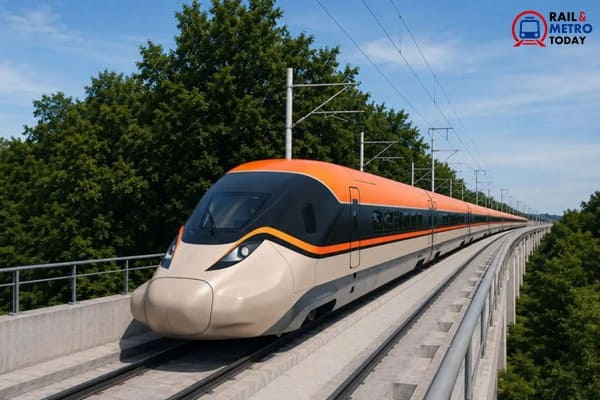 SYSTRA–led JV wins ₹228.78 crore Design Consultancy Contract for two 350 kmph Bullet Train Corridors
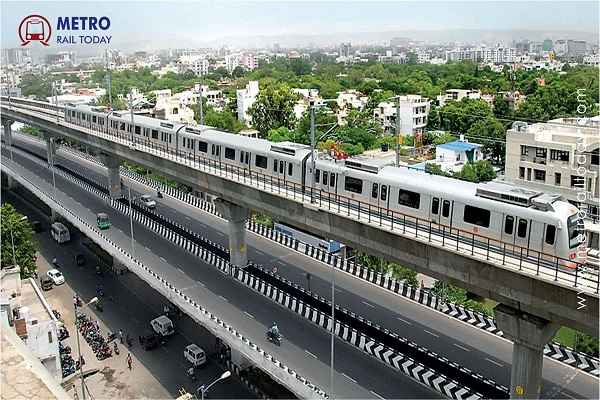 Paras Railtech wins ₹84.72 crore Ballastless Track Contract for Jaipur Metro Phase 1C Project
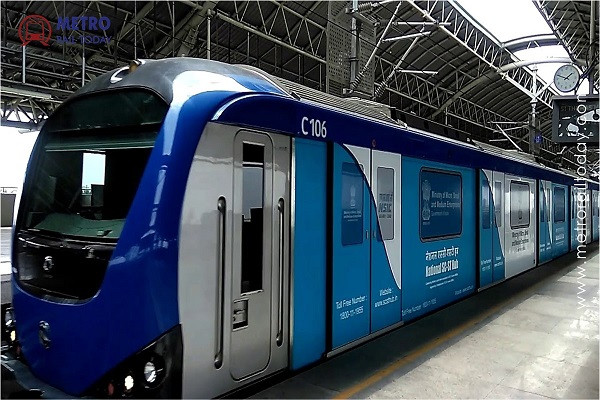 SYSTRA India wins DPR Consultancy Contract for Chennai Metro Phase II Corridor 5 Extension
Alstom and Vingroup sign MoU to supply up to 200 Metro Trains for Hanoi Urban Rail Projects
MRT Online Desk
Posted on: 2026-10-06 08:06:00
Viewer: 2,707
Comments: 0
Country: Vietnam
City: Ha noi
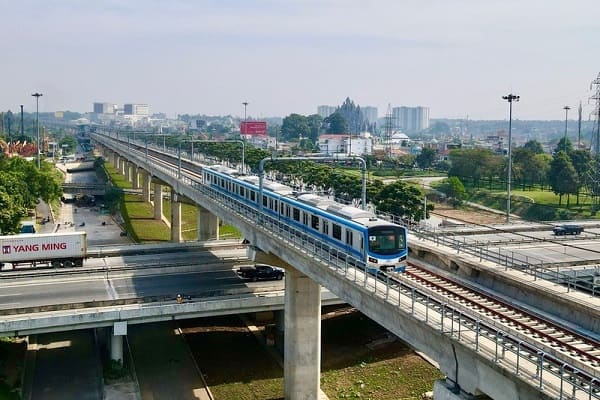
Hanoi, Vietnam (Rail & Metro Today): Alstom and Vingroup, through its member company Vinhomes, have entered into an agreement for the design, manufacture and supply of up to 83 five-car Metropolis metro trains, along with a technology licence to support the assembly of 117 additional trains in Vietnam for urban rail projects in Hanoi.
The agreement marks a significant step in strengthening Vietnam’s domestic rail manufacturing capabilities while supporting the planned expansion of Hanoi’s urban rail network.
Alstom to Manufacture 83 Trains in France
Under the agreement, Alstom will design and manufacture the first batch of 83 five-car Metropolis trains at its Valenciennes Petite-Forêt site in France, Alstom’s centre of expertise for metro trains.
The new-generation trains are expected to incorporate advanced features focused on design, operational efficiency and passenger safety. The agreement also includes a technology licence that will enable Vingroup to assemble a further 117 trains in Vietnam, using components supplied by Alstom.
This arrangement combines Alstom’s international metro technology and manufacturing expertise with Vingroup’s industrial capabilities in Vietnam.
Alstom and Vingroup Strengthen Strategic Partnership
The agreement was signed at Vingroup headquarters in Hanoi in the presence of Martin Sion, CEO of Alstom, and H.E. Didier Le Bret, French Ambassador in Vietnam. The signing highlights the growing cooperation between France and Vietnam in infrastructure, innovation and sustainable development.
Martin Sion, CEO of Alstom, said, “This agreement is a major milestone for Alstom in one of the fastest-growing mobility markets in the world. By combining Alstom's global expertise with Vingroup's industrial strength and long-term vision, we are creating a unique partnership that supports both the expansion of Hanoi’s metro network and the development of local rail capabilities.”
He added that the agreement demonstrates the strength of French rail technology and reinforces Alstom’s position as a partner for major mobility projects across the region.
Partnership to Support Vietnam’s Rail Industry
The collaboration is also expected to contribute to the development of Vietnam’s domestic railway industry. By enabling the assembly of 117 additional trains locally, the partnership provides a pathway for transferring advanced rail manufacturing capabilities to Vietnam.
Nguyen Viet Quang, Vice Chairman and CEO of Vingroup, said, “Our partnership with Alstom will create an opportunity for Vietnam to access and progressively develop capabilities in advanced rail technologies. This is an important step in Vingroup’s strategy to develop Infrastructure as a new strategic pillar, with the vision to contribute to building infrastructure foundations that are of long-term significance to the country.”
According to Quang, connecting international technology and expertise with Vietnam’s industrial capabilities can create value beyond an individual project by supporting the development of a rail industrial ecosystem and strengthening Vietnam’s self-reliance and competitiveness in next-generation transport infrastructure.
Hanoi Plans Major Urban Rail Expansion
The partnership comes as Hanoi accelerates the development of its urban rail network as part of its ambition to establish a modern, integrated and sustainable public transport system.
Under Hanoi’s Capital Master Plan with a 100-year vision, the city intends to develop a 979-km urban rail network comprising 18 lines by 2045. The planned network is expected to form the backbone of public transport, helping reduce road congestion and environmental pollution while improving mobility and quality of life for residents.
The proposed expansion is expected to create substantial long-term demand for metro rolling stock, signalling, infrastructure and associated railway technologies.
Alstom’s Three-Decade Presence in Vietnam
Alstom has been present in Vietnam for more than 30 years and has contributed to the country’s railway modernisation through various signalling, telecommunications and metro projects.
The company has provided signalling and telecommunication modernisation services for the Hanoi–Vinh regional railway line, including its first and second phases, and has supplied signalling and telecommunication systems for Ninh Binh station.
Alstom has also supplied and integrated the metro system for Hanoi Metro Line 3, including 10 four-car Metropolis trains designed and manufactured in France, together with the Urbalis 400 signalling system, power supply and depot equipment.
The new agreement with Vingroup builds on this established presence and positions Alstom to support Hanoi’s next phase of urban rail development while contributing to the growth of Vietnam’s domestic rail technology and manufacturing ecosystem.
Mrs. Mamta Shah, MD & CEO, Urban Infra Group, said, “The Alstom–Vingroup partnership demonstrates how international rail technology partnerships can combine global expertise with local manufacturing capabilities. For rapidly growing cities such as Hanoi, building both metro infrastructure and a supporting domestic rail ecosystem will be important for achieving long-term, sustainable urban mobility.”
With up to 200 five-car Metropolis trains covered through direct supply and licensed local assembly, the agreement represents a major potential rolling-stock programme for Hanoi and a significant opportunity for the development of Vietnam’s urban rail industry.

MRT Online Desk
Metro Rail Today is an authentic and global news provider for the Rail & Metro industry from and around the world.