


Trending Now
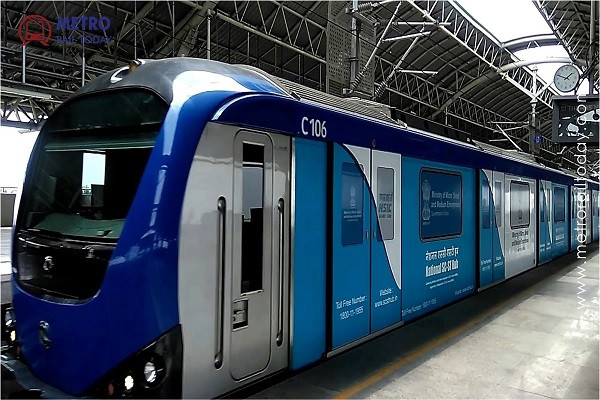 Alstom eyes ₹2,000 crore Chennai Metro tender for supply of 168 Train Coaches
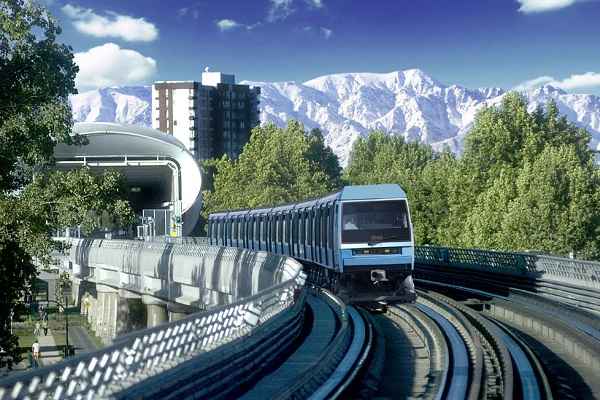 SYSTRA India emerges as lowest bidder for Thane Metro Design Consultancy Contract
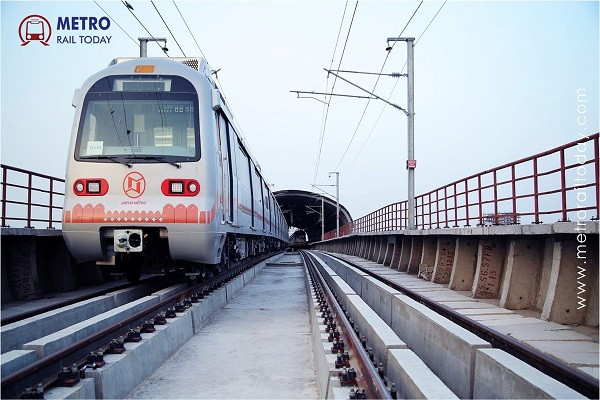 Adani Group's Cemindia Projects wins ₹921.63 crore Underground Package for Jaipur Metro
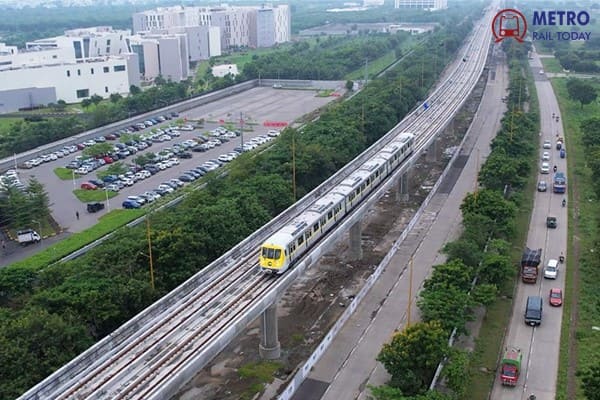 EFKON India wins ₹288.11 crore Station Systems Contract for Indore Metro Rail Project
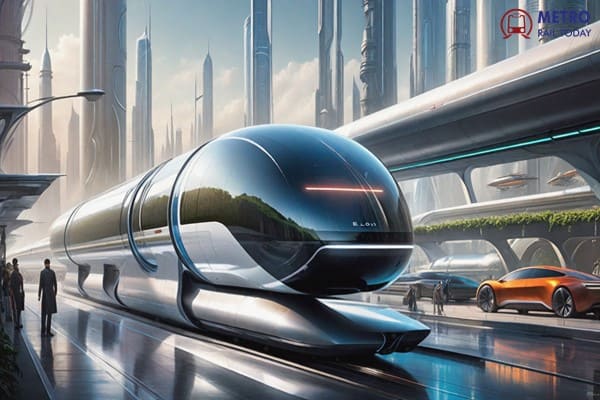 L&T partners with IIT Madras-Backed TuTr Hyperloop to explore Next-Gen Mobility
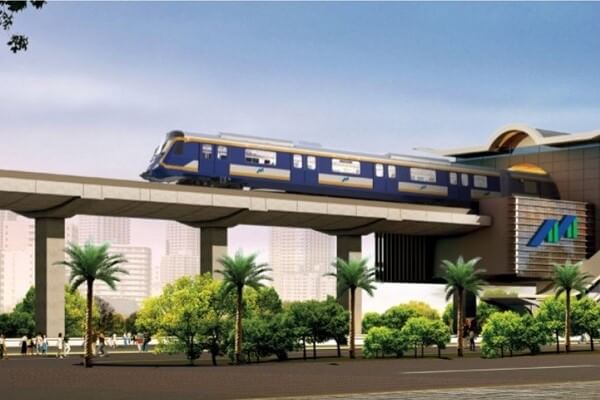 Alstom, Larsen & Toubro unveil First Driverless Trainset for Mumbai Metro Lines 4 and 4A
 BEML, Czech Republic delegation explore strategic Industrial and Technology Partnerships
- Six Firms qualify for ₹1,160 crore Underground Tunnel Package of Jaipur Metro Rail Project
 Alstom and Siemens sign $1.5 billion Rolling Stock contract for Riyadh Metro Rail Project
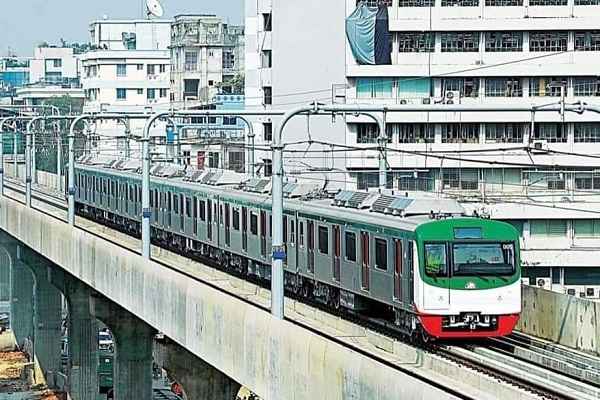 Bangladesh approves Tk 58,477 crore contracts for Dhaka Metro Lines 1 and 5
Alstom eyes ₹2,000 crore Chennai Metro tender for supply of 168 Train Coaches
MRT Online Desk
Posted on: 2026-10-15 07:58:00
Viewer: 87
Comments: 0
Country: India
City: Chennai
Chennai, India (Rail & Metro Today): Alstom is preparing to bid for a Chennai Metro Rail contract worth around ₹2,000 crore to supply 168 metro cars for the existing Phase I network. The proposed tender comes as the company prepares to begin production of another 96 cars for Chennai’s expanding metro system in November, highlighting its continued focus on the city’s urban rail market.
Champak Panda, Managing Director of Rolling Stock and Component Business at Alstom India, shared the company’s plans in an interview with businessline at Alstom’s manufacturing facility in Sri City, Andhra Pradesh. He said the company wants to continue its association with Chennai Metro Rail Limited (CMRL) and serve the city’s growing passenger needs.
“We don’t want to miss an opportunity to serve the people of Chennai, and we want to continue our association with Chennai Metro,” Panda said.
New Trains to Match Existing Phase I Infrastructure
The proposed contract for 168 cars will require trains customised to Chennai Metro’s existing Phase I infrastructure. The specifications include compatibility with current signalling systems, platform arrangements and door-spacing requirements.
These requirements differ from those applicable to the trains being supplied for Chennai Metro’s Phase II network, making the new tender a distinct opportunity for rolling stock manufacturers.
CMRL is also introducing additional safety features under the proposed procurement. Panda said Alstom is prepared to incorporate these requirements into its bid.
The company has not yet finalised its price. According to Panda, rising costs of steel, copper and electrical equipment, along with geopolitical disruptions and higher oil prices, are putting pressure on manufacturing costs across the industry.
The final bid value and the outcome of the tender will depend on the procurement process and the offers submitted by participating companies.
Sri City Facility Supports Metro Manufacturing
Alstom’s Sri City facility began operations with its first Chennai Metro project in 2010. Since then, the plant has supplied approximately 1,500 metro cars and currently manufactures around 250–300 cars annually, according to Panda.
The facility is an important part of Alstom’s Indian manufacturing network, supporting domestic metro projects as well as the company’s wider production requirements. Alstom has invested more than ₹2,500 crore across its Indian facilities over the past five to ten years. Future investments, Panda said, will depend on project requirements and the need to upgrade manufacturing technologies.
The company’s current order backlog in India stands at approximately 900–1,000 cars. Of these, around 600 are associated with Sri City, while another 300–400 are at the company’s Savli facility in Gujarat, which has a greater focus on export-related production.
Driverless Capability Depends on Infrastructure
Alstom’s trains are technically capable of driverless operation, but introducing such services depends on the metro operator’s decision and the availability of compatible signalling infrastructure.
Panda noted that operators seeking to deploy driverless trains on new corridors while retaining driver-operated services on older lines must address the challenges of integrating different operating and signalling systems.
This is particularly relevant for expanding metro networks, where new corridors may adopt more advanced automation while existing lines continue to use established technologies.
Alstom Prioritises India's Growing Metro Market
With a substantial domestic order backlog and continued demand for metro rolling stock, Alstom is balancing its Indian project commitments against international opportunities. Panda said the company has built sufficient manufacturing capacity but is being selective about taking additional global orders to ensure export commitments do not constrain its ability to serve India’s expanding metro market.
The proposed 168-car Chennai Metro tender could further strengthen Alstom’s position in the city if it submits a successful bid and secures the contract. The planned production of 96 additional cars from November also reflects the continuing demand for rolling stock as Chennai develops its metro network.
For CMRL, the procurement will be an opportunity to add capacity to its existing network while ensuring compatibility with current infrastructure and incorporating enhanced safety requirements.

MRT Online Desk
Metro Rail Today is an authentic and global news provider for the Rail & Metro industry from and around the world.