

Trending Now
 Alstom and Siemens sign $1.5 billion Rolling Stock contract for Riyadh Metro Rail Project
 Bangladesh approves Tk 58,477 crore contracts for Dhaka Metro Lines 1 and 5
 RATP Dev–ComfortDelGro JV signs Operations & Maintenance Contract for Copenhagen Metro
 Rail Chamber explores India–Czech Railway Industry Partnerships at New Delhi Business Forum
 India must prove Safety before running different Bullet Train Systems on One Corridor: JTTRI Chief
 Tender issued for Feasibility Study to Transition Hubballi-Dharwad BRTS to Modern Tram System
 Tamil Nadu Chief Minister seeks Centre’s approval for Bengaluru–Hosur Metro Link
 K-RIDE to appoint Detailed Design Consultant for Bengaluru Suburban Rail Project
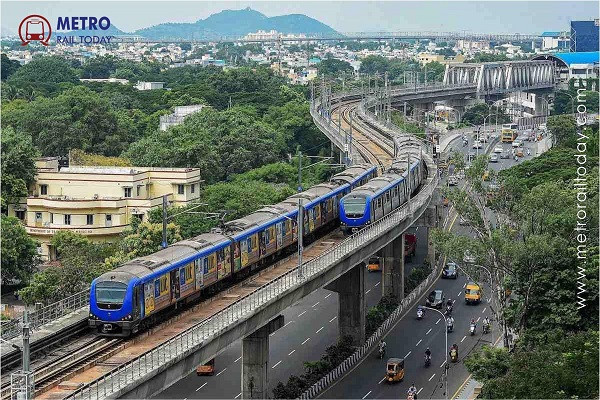 Prime Minister Narendra Modi inaugurates first 15-km stretch of Chennai Metro Phase 2
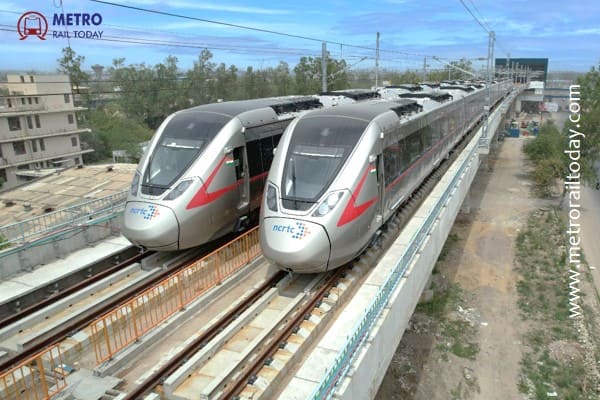 Karnataka proposes 270-km RRTS Network linking Bengaluru with Tumakuru, Mysuru and KGF
Alstom and Siemens sign $1.5 billion Rolling Stock contract for Riyadh Metro Rail Project
MRT Online Desk
Posted on: 2026-10-12 09:25:00
Viewer: 341
Comments: 0
Country: Saudi Arabia
City: ar-Riyad
Riyadh, Saudi Arabia (Rail & Metro Today): audi Arabia’s Royal Commission for Riyadh City (RCRC) has signed contracts to procure 94 new trains for the Riyadh Metro, increasing the network’s fleet from 183 to 277 trains. Valued at nearly SAR 5.5 billion (approximately US$1.5 billion), the contracts will expand passenger capacity across the network as the Saudi capital prepares for continued population growth and major international events.
The announcement was made by Ibrahim bin Mohammed Al-Sultan, CEO of the Royal Commission for Riyadh City, during a government press conference on Monday. Deliveries are scheduled to begin in phases from 2028, with the new trains expected to strengthen service capacity across the metro’s six lines.
The expansion forms part of Riyadh’s wider urban mobility strategy, which aims to ensure that public transport infrastructure keeps pace with the city’s changing travel needs. The additional trains will allow the operator to allocate more capacity to corridors experiencing high passenger demand while preparing for further growth in metro ridership.
Passenger Capacity to Increase by 60%
According to the announcement, the additional trains are expected to increase the Riyadh Metro’s overall passenger capacity by 60%. Capacity enhancements will vary across the network, reflecting differences in passenger volumes and projected demand on individual lines.
The Red Line is expected to record the largest increase, with capacity rising by 142%, followed by the Yellow Line at 116%. The Blue Line is projected to see a 60% increase, while the Orange Line and Purple Line are expected to record improvements of 27% and 16%, respectively.
The targeted allocation of additional trains is intended to strengthen services on busy corridors, improve the system’s ability to accommodate peak-hour demand and provide greater flexibility in managing passenger flows. Increasing fleet availability can also support more frequent services, subject to operating requirements, infrastructure capacity and timetable planning.
The expansion is particularly significant for a rapidly growing metropolitan area such as Riyadh, where the development of reliable public transport is a key component of efforts to reduce dependence on private vehicles and improve urban accessibility.
Siemens and Alstom to Deliver the New Trains
Germany’s Siemens and France’s Alstom have been awarded contracts to execute the fleet expansion, with a combined value of nearly SAR 5.5 billion. The agreements cover the manufacturing, equipment installation and systems integration of the additional trains.
The involvement of the two international railway technology companies highlights the importance of established rolling stock manufacturers in supporting the development of large-scale urban rail systems. Delivering additional trains for an operating network requires coordination between vehicle manufacturing, onboard equipment, signalling interfaces, depot facilities and existing operational systems.
The trains will be delivered in phases according to the manufacturing schedule. Following delivery, they will undergo testing and operational trials before being progressively introduced into passenger service.
This phased approach will allow the relevant authorities and operating teams to verify the trains’ performance, safety and compatibility with the existing network before they enter regular operations.
Riyadh Metro Prepares for Expo 2030 and FIFA World Cup 2034
The fleet expansion comes as Riyadh prepares to host major international events, including Expo 2030 Riyadh and the FIFA World Cup 2034. Both events are expected to place additional demands on the city’s transport infrastructure, requiring efficient connections between airports, accommodation, commercial districts, event venues and other key destinations.
A larger metro fleet will provide the city with additional capacity to manage anticipated increases in passenger movement. However, meeting these demands will also depend on effective service planning, station management, network integration and coordination with other modes of public transport.
The Riyadh Metro has already established itself as a major component of the capital’s transport network. According to the announcement, the system has carried more than 300 million passengers since operations began, reflecting the growing role of rail-based mobility in the city.
The procurement of additional trains is intended to build on this operational growth and provide greater capacity for future travel demand.
Commenting on the development, Mrs. Mamta Shah, MD & CEO of Urban Infra Group, said:
“Riyadh Metro’s decision to expand its fleet demonstrates the importance of planning rail infrastructure around long-term passenger demand rather than focusing only on present requirements. As cities grow and prepare to host major international events, adequate rolling stock, reliable operations and effective integration of railway systems become essential to delivering a seamless passenger experience. Investments of this scale also underline the importance of close collaboration between infrastructure authorities, operators and technology providers in building future-ready urban transport networks.”
Strengthening Riyadh’s Long-Term Mobility Strategy
The addition of 94 trains represents a substantial investment in the operational capacity of the Riyadh Metro. By increasing the fleet from 183 to 277 trains, the city aims to strengthen service availability and prepare its transport network for rising demand over the coming years.
The programme also illustrates a broader trend in urban rail development: as metro networks mature and ridership increases, investment increasingly shifts towards fleet expansion, system optimisation and improvements to passenger capacity.
For Riyadh, the success of the expansion will depend on the timely delivery of trains, effective integration with existing infrastructure and the ability to deploy additional capacity where it is needed most.
With deliveries expected to begin in 2028, the new fleet is set to play an important role in supporting the Saudi capital’s evolving mobility requirements and preparations for Expo 2030 and the 2034 FIFA World Cup.

MRT Online Desk
Metro Rail Today is an authentic and global news provider for the Rail & Metro industry from and around the world.