


Trending Now
 STUP Consultants Wins Station Design Consultancy Contract for Thane Metro Rail Project
 Larsen & Toubro bags Design-and-Build Contracts for Bangladesh’s Dhaka Metro Line 1 Project
 Wabtec Corporation awarded ₹839 crore contract for India's Vande Bharat Sleeper Train Project
 How Indigenous Engineering and Japanese Technology are transforming India's first Bullet Train?
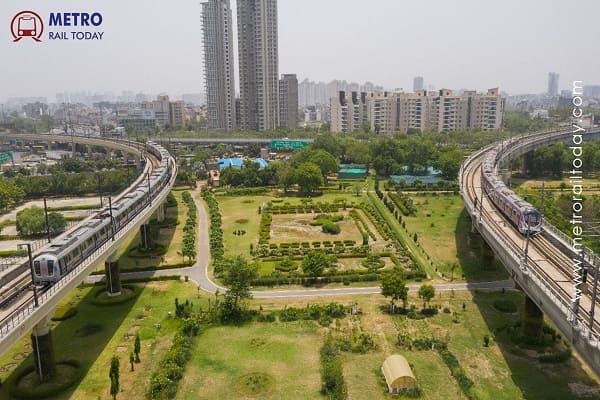 India's Metro Rail Network set to cross 2000-km mark soon, become second largest in World
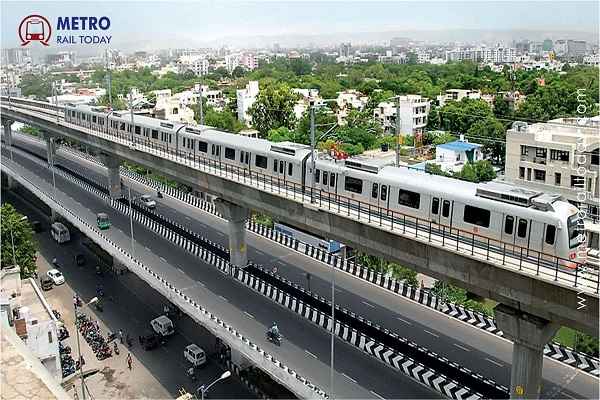 Alstom to deploy DTG Signalling System for Jaipur Metro’s 5.2-km Phase-1 Extension
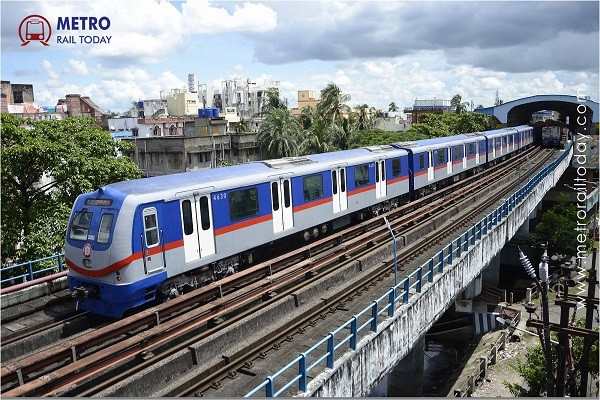 RVNL floats ₹297.45-crore Power Systems Tender for Kolkata Metro Purple Line
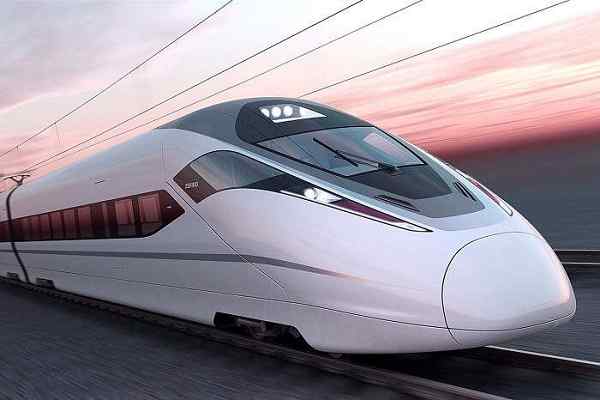 Siemens Mobility awarded $772 million Trainset Contract for California High-Speed Rail Project
- RITES submits fresh DPR to UPMRC for ₹12,000 crore Prayagraj Metro Rail Project
 Paras Railtech wins ₹84.72 crore Ballastless Track Contract for Jaipur Metro Rail Project
Karnataka proposes 270-km RRTS Network linking Bengaluru with Tumakuru, Mysuru and KGF
MRT Online Desk
Posted on: 2026-10-06 07:20:00
Viewer: 2,185
Comments: 0
Country: India
City: Bengaluru
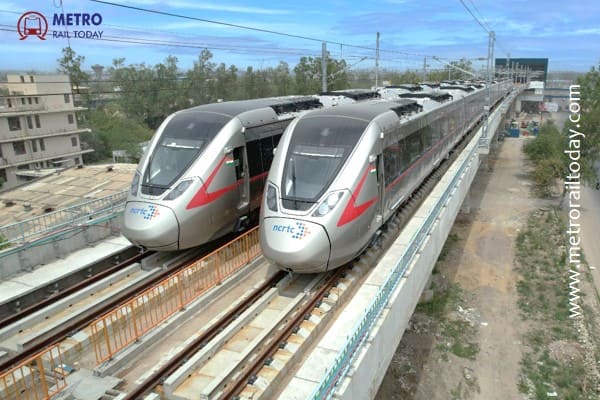
Bengaluru, India (Rail & Metro Today): The Karnataka government has proposed a 270-km Regional Rapid Transit System (RRTS) network connecting Bengaluru with Tumakuru, Mysuru and Kolar Gold Fields (KGF) as part of a long-term strategy to strengthen regional connectivity around the state capital.
The proposal was discussed during a meeting chaired by Karnataka Deputy Chief Minister D.K. Shivakumar on October 5, as the government works on a comprehensive 10–15-year development plan for the Bengaluru Metropolitan Region (BMR).
Proposed RRTS Network to Connect Bengaluru with Major Regional Centres
The proposed RRTS network is aimed at creating faster regional connections between Bengaluru and key urban centres in Karnataka. The planned links to Tumakuru, Mysuru and KGF could strengthen the integration of these cities with the Bengaluru Metropolitan Region and support greater regional mobility.
The government has also proposed a Mumbai–Bengaluru–Mysuru high-speed rail corridor, indicating a broader focus on developing high-capacity and high-speed transport links connecting Bengaluru with major economic centres.
However, the proposals are currently part of the state's long-term planning exercise, and further details regarding alignment, stations, implementation phases, project cost and execution agencies have not yet been announced.
Bengaluru Metro Network Targeted to Reach 312 km
Alongside the proposed RRTS network, Karnataka is planning a substantial expansion of Bengaluru's metro system.
The government aims to increase the city's metro network to 312 km by 2037, compared with approximately 96 km at present. The expansion is expected to improve intra-city connectivity while complementing the proposed regional rail links.
The state also plans to add another 72 km to Bengaluru's suburban rail network, creating a multi-layered public transport system comprising metro, suburban rail, RRTS and potentially high-speed rail.
10–15-Year Plan for Bengaluru Metropolitan Region
The proposals form part of a broader development strategy being prepared for areas under the jurisdiction of the Bangalore Metropolitan Region Development Authority (BMRDA).
Speaking at the Advisory Committee meeting on the economic development of the Bengaluru Metropolitan Region, Shivakumar said, “Comprehensive plans for the next 10-15 years are being prepared for the development of areas under the jurisdiction of the Bangalore Metropolitan Region Development Authority (BMRDA).”
The integrated approach is intended to align transport infrastructure with the future growth of Bengaluru and surrounding areas. Expanding regional and urban rail connectivity could help distribute economic activity, improve access to employment centres and reduce dependence on road-based transport.
Mrs. Mamta Shah, MD & CEO, Urban Infra Group, said, “The proposed RRTS network connecting Bengaluru with Tumakuru, Mysuru and KGF reflects the growing importance of regional mobility in India's expanding metropolitan regions. Integrating RRTS with metro and suburban rail can create a more connected transport ecosystem and support balanced growth beyond the core city.”
If implemented as planned, the proposed 270-km RRTS network, 312-km metro target and additional suburban rail capacity could significantly reshape Bengaluru's regional transport landscape over the next decade and beyond. The proposals now need to progress through detailed studies, planning and approval stages before implementation decisions are taken.

MRT Online Desk
Metro Rail Today is an authentic and global news provider for the Rail & Metro industry from and around the world.