


Trending Now
 Tender issued for Feasibility Study to Transition Hubballi-Dharwad BRTS to Modern Tram System
 Tamil Nadu Chief Minister seeks Centre’s approval for Bengaluru–Hosur Metro Link
 K-RIDE to appoint Detailed Design Consultant for Bengaluru Suburban Rail Project
 Prime Minister Narendra Modi inaugurates first 15-km stretch of Chennai Metro Phase 2
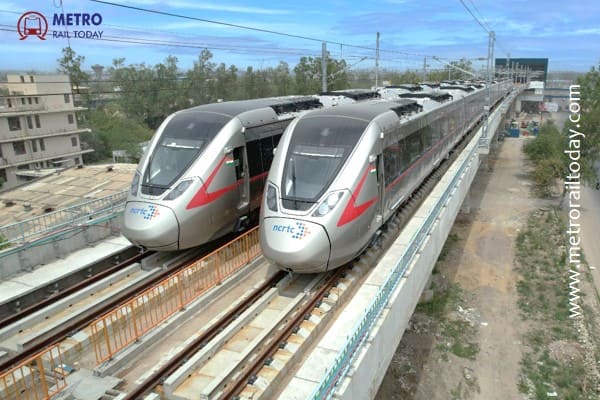 Karnataka proposes 270-km RRTS Network linking Bengaluru with Tumakuru, Mysuru and KGF
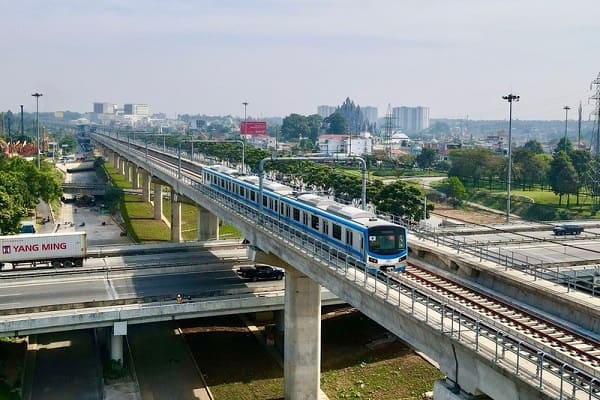 Alstom and Vingroup sign MoU to supply up to 200 Metro Trains for Hanoi Urban Rail Projects
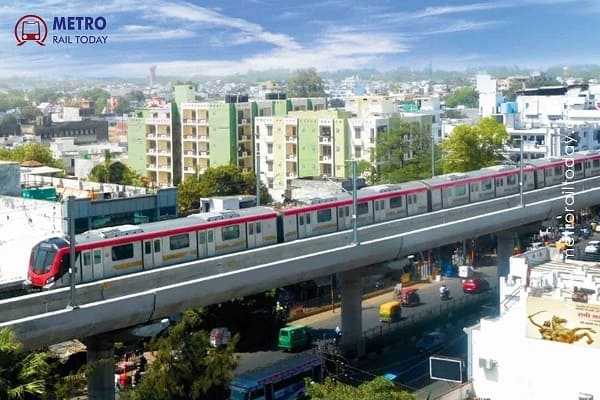 Afcons Infrastructure wins ₹1,383 crore Civil Contract for Lucknow Metro Phase 1B Corridor
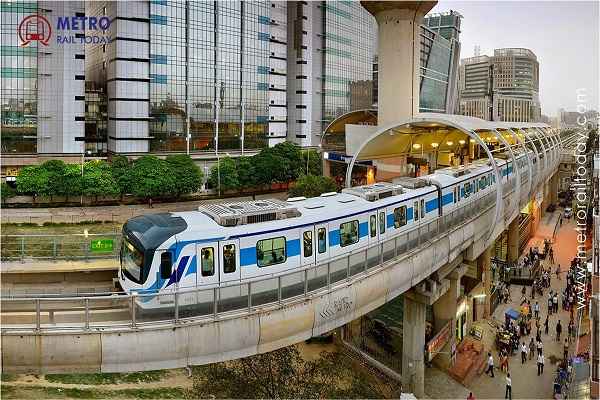 GMRL issues ₹1,662 crore Civil Tender for Sector 9–Cyber City Gurugram Metro Rail Corridor
 Madrid unveils €1.57 billion Metro Rail Expansion Programme with 27.8 km of New Corridors
 Global Tender launched for Project Management Consultancy for Abu Dhabi Tram Line 4
Tamil Nadu Chief Minister seeks Centre’s approval for Bengaluru–Hosur Metro Link
MRT Online Desk
Posted on: 2026-10-12 07:00:00
Viewer: 93
Comments: 0
Country: India
City: Bengaluru
Chennai, India (Rail & Metro Today): Tamil Nadu Chief Minister C. Joseph Vijay has urged Prime Minister Narendra Modi to expedite approval for the proposed metro corridor connecting Bommasandra in Bengaluru with Hosur in Tamil Nadu, renewing efforts to establish an inter-state metro link between two important industrial regions in southern India.
The proposed extension would continue the Yellow Line of Bengaluru’s Namma Metro beyond its existing terminus at Bommasandra into Hosur. If approved and implemented, the corridor would create a direct metro connection across the Karnataka–Tamil Nadu border, improving access between residential areas, employment centres and industrial hubs in the two regions.
Vijay raised the issue while speaking at the inauguration of an expanded stretch of Chennai Metro Phase II. He also sought greater central support for Tamil Nadu’s infrastructure priorities, including metro rail expansion, high-speed rail, highways and water security initiatives.
Bengaluru–Hosur Metro Link to Strengthen Regional Connectivity
The proposed metro extension is intended to improve connectivity between Bengaluru’s southern suburbs and Hosur, a major industrial centre in neighbouring Tamil Nadu. The two regions have increasingly interconnected economic and employment links, creating demand for more efficient cross-border transport options.
Extending the Bengaluru Metro Yellow Line from Bommasandra to Hosur could provide an alternative to road-based commuting for people travelling between the two areas. It could also strengthen access to industrial establishments and residential developments along the corridor.
Tamil Nadu has previously proposed the extension, but the project requires the necessary approvals before it can progress towards implementation. Further details on the proposed alignment, station locations, project cost, funding arrangements and construction timeline were not specified in the announcement.
The proposed link would represent a significant step towards integrating urban transport networks across state boundaries. Its development would also require coordination between the Karnataka and Tamil Nadu governments and the relevant metro authorities.
Vijay Seeks Immediate Approval for Chennai Metro Phase III
Alongside the Bengaluru–Hosur proposal, Vijay called on the Centre to grant immediate approval and funding for Chennai Metro Phase III, emphasising the importance of extending infrastructure-led growth beyond the state capital.
The proposed Phase III network would cover nearly 65 km across three routes: Chennai Airport–Kilambakkam, Poonamallee–Sunguvarchatram and Koyambedu–Pattabiram.
The planned corridors are intended to extend metro connectivity to additional urban and suburban areas, improving access to residential neighbourhoods, employment centres and transport hubs. Central approval and funding would be important steps towards advancing the proposed expansion.
Metro Projects Proposed for Coimbatore and Madurai
The Tamil Nadu Chief Minister also urged the Centre to reconsider and approve proposed metro rail networks for Coimbatore and Madurai, two of the state's major industrial and commercial centres.
Expanding urban rail beyond Chennai could support the development of public transport systems in other growing cities, where rising urbanisation and travel demand are increasing pressure on existing road networks.
The proposals form part of a broader push by the state government to secure support for transport infrastructure across Tamil Nadu, including urban metro systems, high-speed rail and highways.
Inter-State Metro Connectivity Gains Importance
The proposed Bengaluru–Hosur metro corridor highlights the growing importance of regional transport planning as urban development and economic activity extend beyond administrative boundaries.
A direct metro connection could improve commuting options between southern Bengaluru and Hosur while strengthening access to industrial and residential areas on both sides of the state border. However, the project remains dependent on government approvals and further planning.
Meanwhile, the proposed expansions in Chennai, Coimbatore and Madurai underline Tamil Nadu’s broader ambition to strengthen urban mobility across multiple cities.
If these proposals progress, they could contribute to a more integrated regional transport network, linking major employment centres and supporting sustainable urban development across southern India.


MRT Online Desk
Metro Rail Today is an authentic and global news provider for the Rail & Metro industry from and around the world.