

Trending Now
 Tender floated for construction of Viaduct, Twin Tunnels and Underground Stations for Indore Metro
 Vietnam needs over 70,000 Engineers and Skilled Workers for Ho Chi Minh City Metro Project
 India targets production of indigenous 350 kmph High Speed Bullet Trains by 2030
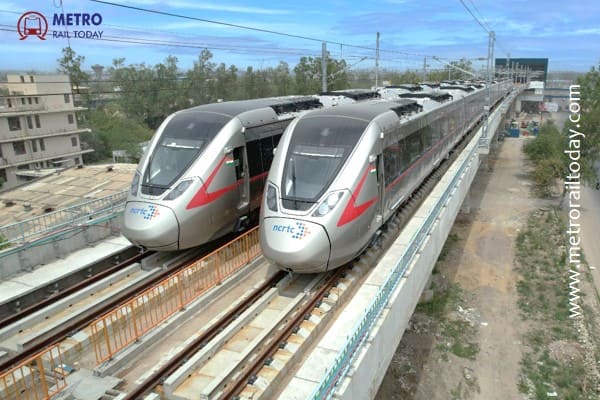 West Bengal proposes four RRTS Corridors linking Kolkata with South Bengal Cities
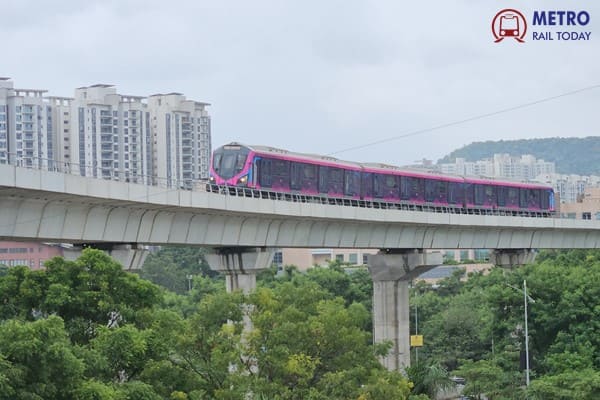 Pune Metro Line 3 targets September-end opening with 17 stations on Hinjawadi–Shivajinagar corridor
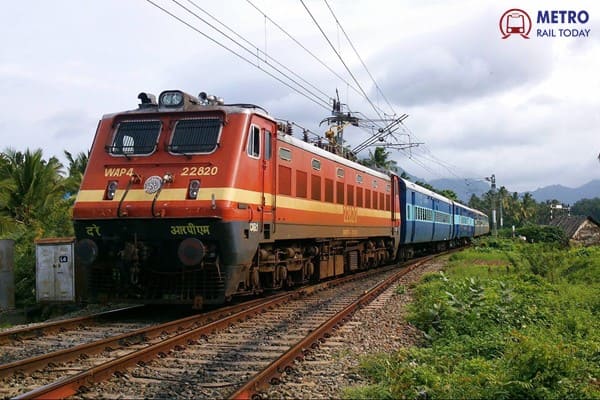 Jupiter Wagons Limited forms New Subsidiary to expand Railway Mobility Business
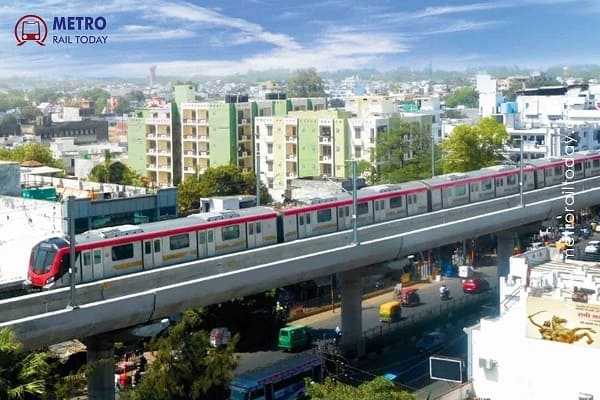 Five major firms bid for ₹1,878 crore Underground Section of Lucknow Metro Phase 1B Project
 DMRC focuses on Technology, Financial Sustainability and Global Expansion: Dr. Vikas Kumar
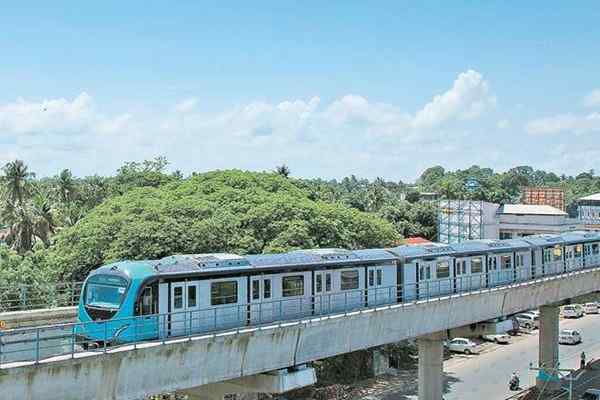 DMRC seeks opportunity to take up operation and maintenance of the Kochi Metro Rail network
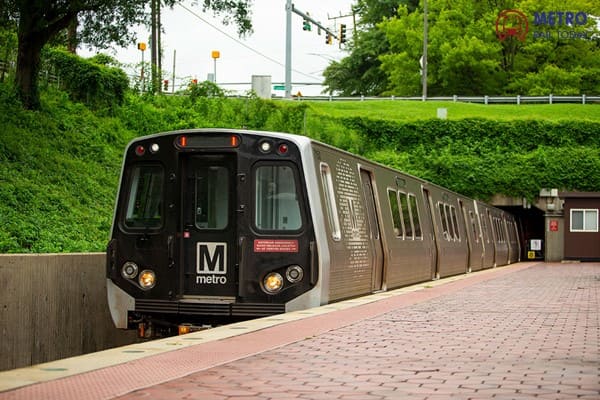 New Zealand opens country's first Underground City Rail Link in Auckland
Aurionpro secures ₹50 crore order from MMRDA to deploy AFC Systems on Mumbai Metro Line 5
MRT Online Desk
Posted on: 2026-07-30 16:09:00
Viewer: 904
Comments: 0
Country: India
City: Mumbai
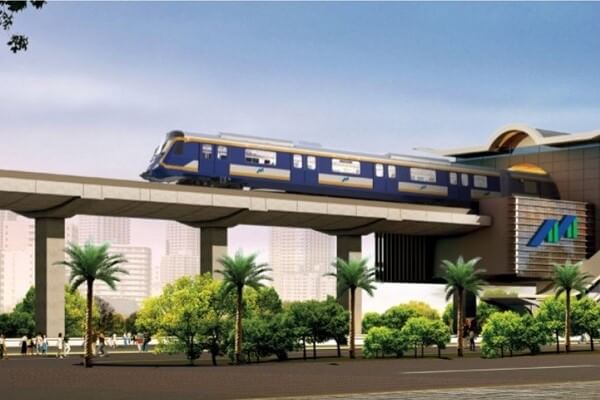
Mumbai, India (Rail & Metro Today): Aurionpro Solutions Limited has secured an additional order worth approximately ₹50 crore from the Mumbai Metropolitan Region Development Authority (MMRDA) to deploy its end-to-end Automated Fare Collection (AFC) solution across six additional stations of Mumbai Metro Line 5 – Phase I.
The latest order further expands Aurionpro's existing engagement with MMRDA for the deployment of AFC systems on Mumbai Metro Lines 4 and 4A, strengthening the company's presence in India's rapidly expanding urban transit and smart mobility technology market.
AFC Solution to Support Six Additional Metro Stations
Under the latest mandate, Aurionpro will deploy its integrated AFC solution across six additional stations on Mumbai Metro Line 5 – Phase I. The technology is designed to support seamless ticketing, efficient fare management and smoother passenger movement across the metro network.
The expansion builds on Aurionpro's existing engagement with MMRDA, under which the company is supporting AFC deployment for Mumbai Metro Lines 4 and 4A.
With metro networks expanding rapidly across the Mumbai Metropolitan Region, advanced fare collection systems are becoming increasingly important for efficient passenger processing, revenue management and integration of modern digital ticketing technologies.
Strengthening Mumbai's Smart Mobility Infrastructure
MMRDA is developing and expanding a large-scale metro network aimed at improving connectivity across the Mumbai Metropolitan Region and providing commuters with efficient alternatives to road-based transport.
Aurionpro's AFC technology is expected to contribute to the digitalisation of fare collection and improve the overall passenger experience by enabling streamlined ticketing and fare management.
The latest contract also reinforces Aurionpro's growing role as a technology partner for metro and mass-transit projects in India.
Aurionpro Expands Transit Technology Footprint
Commenting on the order, Sanjay Bali, President – Technology Innovation Group (TIG), Aurionpro Solutions, said, “We are grateful to MMRDA for once again placing its trust in Aurionpro and extending our engagement. This order is a strong endorsement of our technology capabilities, execution excellence, and commitment to delivering world-class transit solutions. As metro networks continue to expand across India and globally, Aurionpro is steadily strengthening its position as a preferred technology partner for mass transit operators. Backed by a robust portfolio of next-generation mobility solutions and a strong market opportunity, we are well-positioned to accelerate our growth and expand our presence in both domestic and international markets.”
Growing Role of Digital Fare Collection in Metro Networks
Automated Fare Collection has become a critical component of modern metro systems, enabling operators to manage ticketing, passenger access, fare calculation and revenue collection through integrated digital platforms.
The latest MMRDA order adds to Aurionpro's growing AFC portfolio and strengthens its presence across multiple Mumbai Metro corridors. The company provides technology solutions across banking, payments, mobility, insurance, transit, data centres and government sectors.
The additional mandate reflects the increasing adoption of advanced digital mobility technologies as Indian cities continue to expand their metro rail networks and develop integrated, technology-enabled public transport systems.

MRT Online Desk
Metro Rail Today is an authentic and global news provider for the Rail & Metro industry from and around the world.