


Trending Now
 RITES awarded ₹79.22 crore Consultancy Contract for Patna Metro Rail Project
 Pre-construction activities begins for 306 km Chennai–Bengaluru High Speed Bullet Train Corridor
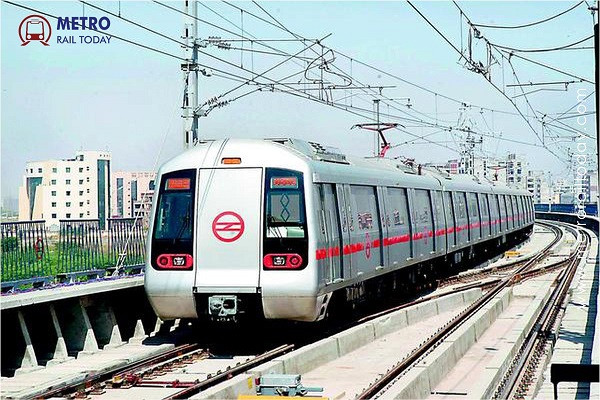 DMRC floats ₹18.97 crore Electrical Tender for Delhi Metro Red Line Extension to Kundli
 Bangalore Metro to launch ₹1,274 crore tender for Platform Screen Door Upgrade across 191 Stations
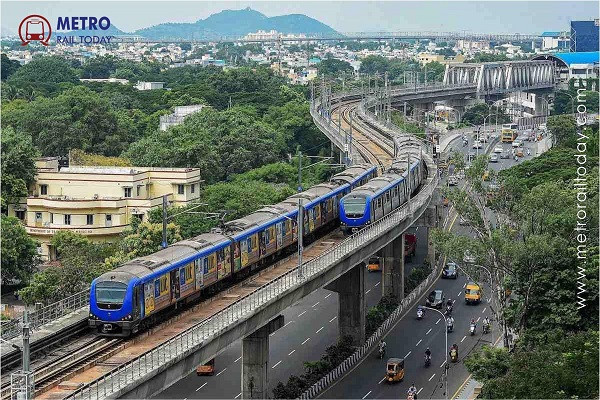 AECOM-led JV bags Design Consultancy Contract for Chennai Metro Phase 1 Capacity Enhancement
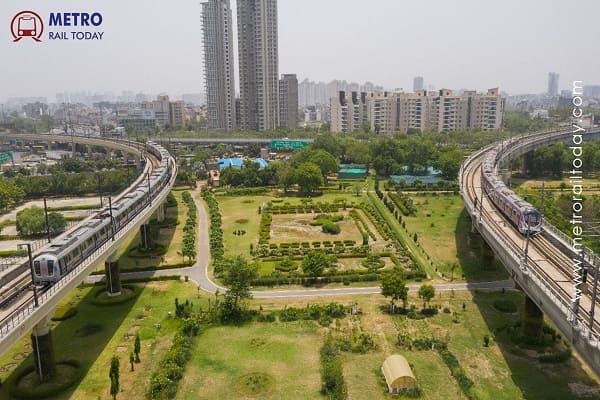 MoHUA proposes Housing above Delhi Metro Stations to promote Transit-Oriented Development
- Enhanced land compensation may increase Mumbai–Ahmedabad Bullet Train Project cost
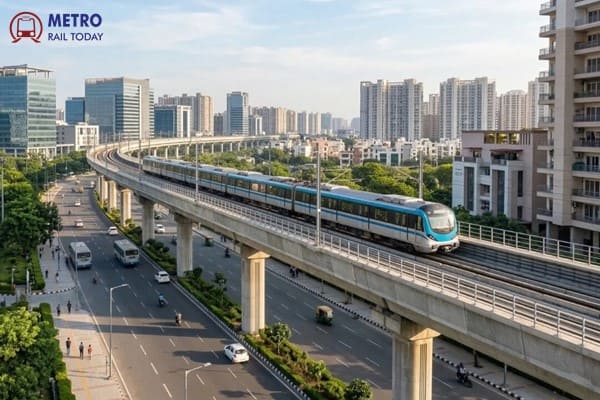 Assam Govt Cabinet approves four-phase Guwahati Metro Rail Project with ₹18,000 crore Investment
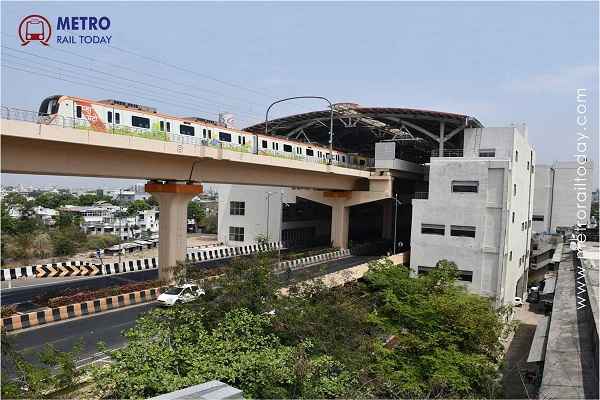 RITES awarded DPR Contract for 55-km Nagpur Metro Phase 3 Expansion with Four New Corridors
 Mumbai Metro One secures ₹2,771 crore Debt Restructuring, Insolvency proceedings set to end
DMRC floats ₹18.97 crore Electrical Tender for Delhi Metro Red Line Extension to Kundli
MRT Online Desk
Posted on: 2026-07-15 16:34:00
Viewer: 104
Comments: 0
Country: India
City: New Delhi
New Delhi, India (Metro Rail Today): The Delhi Metro Rail Corporation (DMRC) has invited bids for a key electrical infrastructure contract under the Delhi Metro Phase IV project for the Rithala–Kundli (Nathupur) Red Line extension. The tender, with an estimated value of ₹18.97 crore, is aimed at facilitating critical utility shifting works required for the construction of the 26.46-kilometre metro corridor.
The contract has a completion period of 18 months and forms an essential part of the preparatory works for one of the most significant metro expansion projects in the National Capital Region (NCR).
Critical Power Infrastructure Works Planned
Issued under Tender No. D2EUD-05, the scope of the contract includes the supply, installation, testing and commissioning of works related to the shifting and raising of 400 kV double-circuit transmission lines belonging to Power Grid Corporation of India Limited (PGCIL – Northern Region-I) and Delhi Transco Limited (DTL).
These high-voltage transmission lines currently interfere with the alignment of the proposed metro corridor near the Municipal Corporation of Delhi's Waste-to-Energy (WtE) Plant at Bawana. Relocating and modifying these utility assets is essential before civil construction can progress smoothly on the affected section of the corridor.
According to the tender schedule, the pre-bid meeting will be held on 28 July 2026, while bid submissions will commence on 11 August 2026. The deadline for submission of bids has been fixed for 17 August 2026.
Red Line Extension to Strengthen Delhi–Haryana Connectivity
The Rithala–Kundli (Nathupur) corridor is one of the major corridors being developed under Delhi Metro Phase IV. The proposed extension will add 26.463 kilometres to the existing Red Line and include 21 metro stations, significantly expanding metro connectivity between northwest Delhi and neighbouring Haryana.
The extension is expected to improve public transport accessibility for rapidly growing residential, industrial and commercial areas along the Delhi–Sonipat corridor while reducing dependence on road transport and easing traffic congestion.
Once completed, the Red Line—Delhi Metro's first operational corridor inaugurated in 2002—will exceed 60 kilometres in length, further strengthening its position as one of the capital's longest and busiest metro corridors.
"Large metro expansion projects depend not only on civil construction but also on the timely relocation and upgrading of critical utility infrastructure. Electrical and transmission line modifications are vital enabling works that ensure construction progresses safely and efficiently. Investments in such preparatory activities help minimise project delays while supporting the delivery of reliable and future-ready urban transit infrastructure," said Mrs. Mamta Shah, MD & CEO of Urban Infra Group.
Utility Shifting Plays Crucial Role in Metro Construction
The relocation of high-voltage transmission infrastructure is one of the most technically challenging aspects of metro construction, particularly in densely developed urban areas where existing utilities often intersect proposed alignments.
Projects involving extra-high-voltage transmission lines require close coordination between metro authorities, power utilities and regulatory agencies to ensure uninterrupted electricity supply while maintaining stringent safety standards during construction.
The latest tender reflects DMRC's continued focus on executing enabling works in parallel with civil construction activities to maintain the implementation schedule of Phase IV.
Delhi Metro Phase IV Gathering Momentum
Delhi Metro Phase IV is one of India's largest ongoing urban rail expansion programmes, adding several new corridors and extensions to improve connectivity across Delhi and the National Capital Region. The programme is designed to serve emerging residential zones, commercial districts and industrial areas while promoting sustainable and integrated urban mobility.
The Rithala–Kundli extension is expected to play a key role in strengthening regional connectivity between Delhi and Haryana by offering faster, safer and environmentally friendly public transport for thousands of daily commuters. Upon completion, the corridor will support seamless travel, reduce road congestion and contribute to the continued expansion of one of the world's largest metro rail networks.


MRT Online Desk
Metro Rail Today is an authentic and global news provider for the Rail & Metro industry from and around the world.