

Trending Now
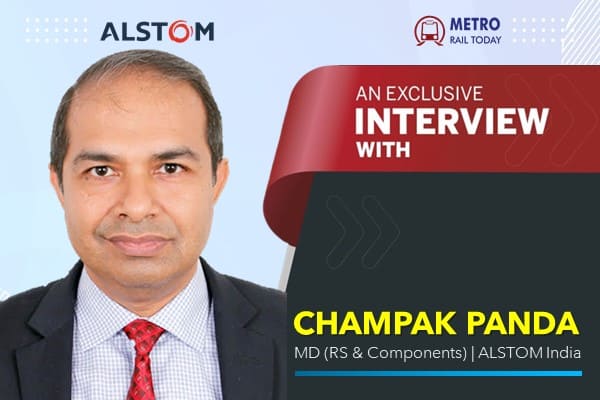 Execlusive Interview with Champak Panda, Managing Director, Rolling Stock & Components, Alstom India
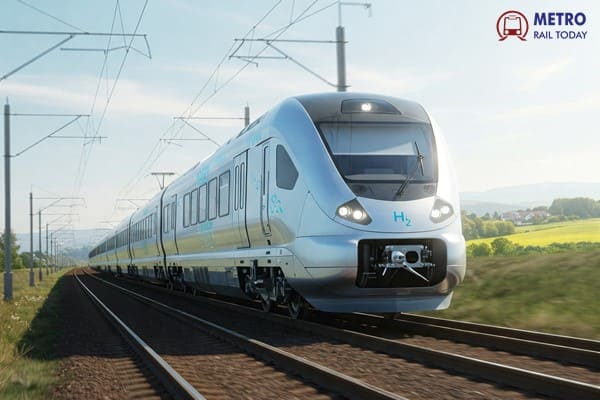 India tests First Hydrogen Train on Jind–Sonipat Route, Marks leap towards Green Rail Mobility
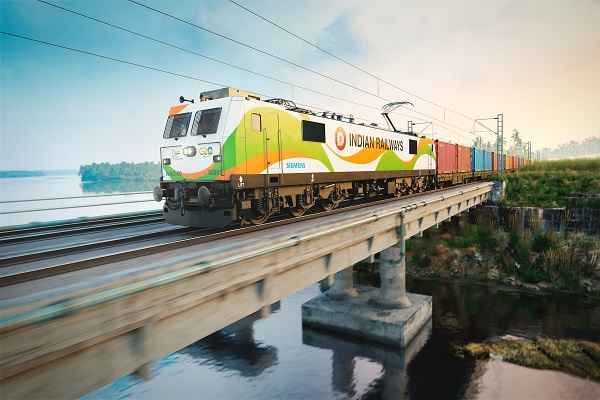 Siemens hands over first set of 9000 HP e-locomotives to Indian Railways for commercial operations
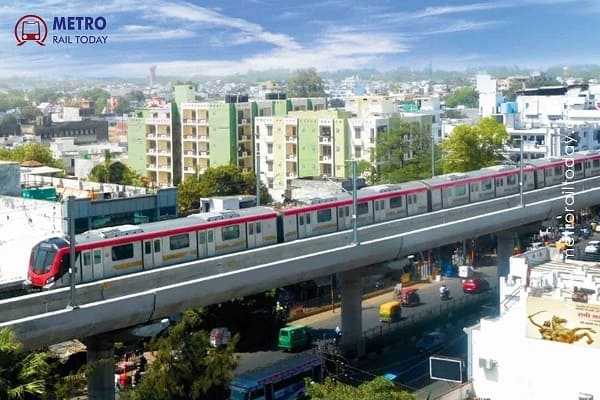 Global Tender issued for 45 Metro Coaches and Advanced Signalling for Lucknow Metro Expansion
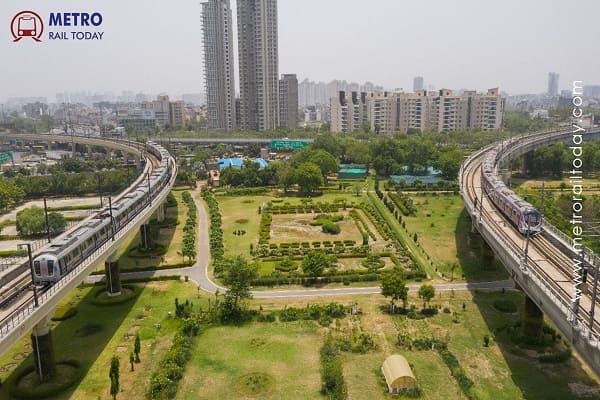 Delhi approves ₹48,204 crore plan for 97-km Metro Rail Expansion under Delhi Metro Phase V(B)
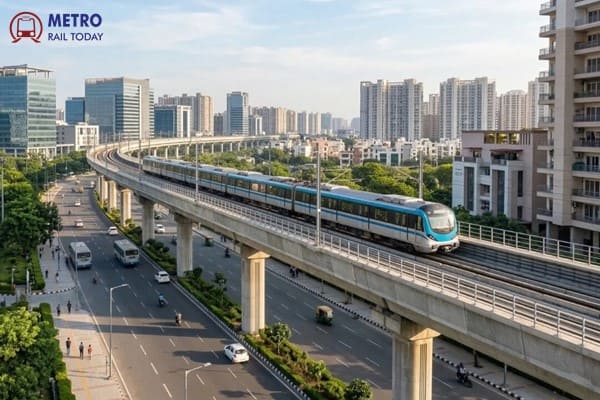 Odisha replans Bhubaneswar Metro into Tri-City Project to connect capital city with Cuttack and Puri
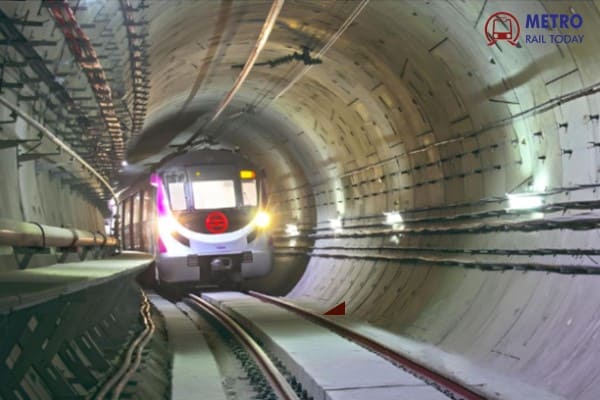 Kalpataru-SOMA JV bags ₹1,522 Cr Contract for Delhi Metro's Inderlok–Indraprastha Magenta Line Extn
- Ghaziabad plans New Metro Corridor linking Vaishali to Gokulpuri via Hindon Airport
 Telangana Government takes full control of Hyderabad Metro from L&T in ₹1,461 crore Deal
 R Mohanraja appointed as new Secretary of Railway Board, Ministry of Railways
Execlusive Interview with Champak Panda, Managing Director, Rolling Stock & Components, Alstom India
MRT Online Desk
Posted on: 2026-05-04 07:00:00
Viewer: 83
Comments: 0
Country: India
City: New Delhi
As India accelerates its journey towards becoming a global rail powerhouse under the Viksit Bharat vision, strategic public–private partnerships, digital innovation, and indigenous manufacturing are reshaping the sector at an unprecedented pace. At the heart of this transformation stands Alstom India, which has played a pivotal role in redefining freight mobility, metro systems, and next-generation rail technologies. Marking a decade of the landmark Madhepura Electric Locomotive Private Limited (MELPL) joint venture with Indian Railways, Alstom’s journey reflects how global expertise combined with local execution can deliver world-class outcomes. In an exclusive interaction with Metro Rail Today, Champak Panda, Managing Director – Rolling Stock & Components, Alstom India, outlines how the company is driving India’s rail modernisation through high-horsepower locomotives, AI-powered predictive maintenance, driverless metro technologies, and sustainable manufacturing practices.
2025 marks 10 successful years of the Madhepura Electric Locomotive Private Limited (MELPL) joint venture. How has this partnership with Indian Railways redefined Alstom’s manufacturing footprint and the broader ‘Make in India’ narrative for high-horsepower freight mobility?
Madhepura Electric Locomotive Private Limited (MELPL), a joint venture between Alstom and Indian Railways, has been a true catalyst in reshaping India's manufacturing perception and accelerating the ‘Make in India’ initiative. Historically, Indian Railways maintained a deeply independent approach to its large-scale projects, rarely venturing into joint ventures of this magnitude. The signing of this partnership with Alstom in 2015 resulted in one of the largest Foreign Direct Investments (FDI) in Indian Railways, making India the 6th nation globally to produce such powerful elocos indigenously. The establishment of the 250-acre integrated greenfield manufacturing facility in Madhepura to produce the 12000 HP Prima WAG12 e-locos represented an unparalleled manufacturing and technological breakthrough for the country. With associated maintenance for 13-years as a part of the contract, which led to the setting up of two maintenance depots in Saharanpur and Nagpur, this project initiated a "new era" for Indian Railways, moving from simple procurement to a lifecycle partnership model. Achieving over 90% localization, building a robust supplier ecosystem, and facilitating substantial technology transfer has fundamentally transformed the perception of India’s industrial capabilities, demonstrating that India can not only build, but innovate and lead in advanced rail manufacturing.
This project has created over 10,000 direct and indirect jobs and has facilitated the training of over 22,000 railway personnel. Along with sustained community development initiatives around Madhepura, Saharanpur, and Nagpur, MELPL stands as a flagship example of how long-term public-private collaboration can power India's freight revolution, setting a new global benchmark for indigenous rail innovation.
Alstom is soon going to deliver the 600th Prima T8 WAG-12B e-locomotive. With the project nearing its 800-unit target, how have these locomotives contributed towards improving heavy freight hauling across the Dedicated Freight Corridors (DFC)?
Our WAG 12B e-locos, approved to run freight trains at a maximum speed of 120 kmph and capable of hauling approximately 6000 tonnes, have ushered in a new era for freight logistics. They've substantially enhanced the average speed (by at least 20-25 kmph) and increased the loading capacity (from 22.5T axle load upgradable to 25T axle load) of Indian freight trains. This translates to faster, safer, and more efficient movement of goods, alleviating congestion on heavily utilized tracks, and providing a significant fillip to the country's economic growth and the vision of 'Atmanirbhar Bharat'.
Technologically, these elocos are equipped with HealthHub™, an ingenious strategy that integrates cutting-edge digital technologies to analyse train data. These technologies allow us to monitor over 200 train parameters in real-time, providing valuable insights into the real behaviour of trains and infrastructure in the field. This enables our Prompt Response Teams to act with precision and ensures we consistently meet our availability targets, enhancing performance and refining maintenance processes. Also, these advanced elocos are equipped with propulsion technology based on Insulated Gate Bipolar Transistors (IGBT), for considerable savings in energy consumption with the use of regenerative braking. Additionally, this technology enhances the efficiency of the acceleration process by minimizing heat generation and traction noise. With 1676mm of broad gauge, the e-locos are designed to take smooth turns even at the sharpest of curves. They also incorporate specific elements to ensure seamless operations in challenging conditions like humidity, dust, and extreme temperatures.
These indigenously built electric locomotives are a symbol of India's commitment to sustainable and efficient freight movement. Its advanced technology is reducing India's carbon footprint, directly contributing to a greener logistics ecosystem by replacing diesel traction with clean electric power. This aligns perfectly with the nation's ambitious environmental goals of ‘Green Railways’ and the drive towards net-zero carbon emissions.
With production underway for the Chennai Metro Phase II and new contracts for Mumbai Metro Line 4, how is Alstom’s ‘Unattended Train Operation’ (UTO) technology evolving to meet the unique ridership density and safety requirements of Indian mega-cities?
Alstom is adapting its global Urbalis CBTC solution to the specific density and operational demands of India's mega-cities through a comprehensive, localized, and technologically advanced approach. Our Urbalis CBTC technology offers the highest Grade of Automation (GoA4), commonly known as 'driverless technology'. This advanced system is crucial for enabling an exceptional level of service, ensuring the highest frequency of operations to meet the city's dense passenger traffic, while effectively managing the headway and safety of the trains.
The Urbalis solution has been developed at our Bangalore engineering centre, which has over 1,000 engineers contributing to various global solutions. These systems are also designed to be robust against challenging weather conditions. The driverless technology ensures consistent performance and removes variability caused by human factors. We are also focusing on cybersecurity to protect the entire network. This ensures that the solution is truly adapted to meet the needs of bustling urban centers like Mumbai, Chennai, and Delhi.
This holistic approach helps reduce vehicular congestion, making metros a sustainable and efficient alternative, embodying the future of mass transit in India and supporting the nation's goal of improving public transport adoption and decongesting urban cities and corridors.
Alstom has been vocal about "The Future of Rail is Digital." Could you elaborate on how Artificial Intelligence and Predictive Maintenance (HealthHub™️) are being integrated into the maintenance depots at Saharanpur and Nagpur to ensure 20% higher availability for the fleet?
Alstom's digital maintenance ecosystem is revolutionizing how India’s rail assets are maintained. As a pioneer in predictive maintenance since 2006, Alstom utilizes cutting-edge digital technologies, including AI, robotics, and digital twins. With Alstom’s HealthHub™ for predictive maintenance, we guarantee higher system availability, lower costs, and enhanced maintenance planning. As an innovative approach designed to shift from traditional mileage-based maintenance to condition-based predictive maintenance, we have deployed our predictive maintenance tool - HealthHubTM in the WAG 12B electric locomotives built for Indian Railways freight service. This system optimises the lifecycle costs by extending the remaining useful life of all types of rail equipment, saving up to 20% in preventive maintenance labour and 15% in materials consumption. HealthHubTM is supported by various high technology data capture solutions such as TrainTracer™, an on-board real-time automated diagnostics portal capable of measuring the condition of three key consumables of a train as it moves through the portal: wheels, brake pads and pantograph carbon strips. It also monitors the condition of the relative infrastructure using tools installed on commercial trains and use predictive analytical techniques for future maintenance requirements.
Alstom also has unrivalled expertise when it comes to designing, building, and upgrading depots and equipment as part of a maintenance contract. Under the contract signed with Indian Railways in 2015, Alstom has built two ultramodern state-of-the-art maintenance depots at Saharanpur and Nagpur that use predictive technologies to ensure high availability and reducing maintenance cost. These depots also provide Prompt Response Teams (PRT) across the nation, which comprises trained personnel equipped with tools and critical spares. We optimise the efficiency of depots, with Dynamic Maintenance Planning (DMP), an Alstom suite of applications to enhance fleet planning and depot execution with customer interaction. DMP is designed to enable more responsive, flexible, and fluid execution of maintenance activities.
The Delhi-Meerut RRTS is a game-changer for regional transit. Following the implementation of India’s first ETCS Hybrid Level 3 signalling, what potential do you see for replicating this semi-high-speed model in other regional corridors?
The Delhi-Meerut RRTS, with its groundbreaking implementation of India's first ETCS Hybrid Level 3 signalling system, represents a significant leap in regional transit and offers immense potential for replication across other corridors. This advanced digital signalling, integrated with Automatic Train Operation (ATO) over LTE and precise Platform Screen Doors (PSDs), allows for unprecedented operational efficiency. It enables semi-high-speed trains (up to 180 kmph) to run at high frequencies (every 5-10 minutes) with enhanced safety, while also ensuring interoperability which is crucial for seamless movement across future networks. The successful deployment of this cutting-edge technology in India provides a proven blueprint for similar high-capacity, high-speed rail projects.
Beyond its technological achievements, the Delhi-Meerut RRTS addresses critical urbanization challenges common to many regions. By drastically cutting travel times (e.g., Delhi-Meerut from over 3 hours to under 1 hour), reducing congestion, and fostering economic growth along the corridor, it offers a sustainable solution for rapid regional development. The economic benefits of this project, coupled with a significant reduction in annual carbon emissions, further strengthen its case as an environmentally conscious and economically viable transport solution.
The integrated approach of the Delhi-Meerut RRTS combining high-speed regional rail with local metro networks demonstrates a holistic transit strategy. The project provides a comprehensive package. This combination of advanced, proven technology, strategic urban and environmental benefits, and a well-defined implementation structure makes its semi-high-speed model highly replicable across India and beyond.
Alstom’s recent 2025 sustainability reports emphasize 95% material recyclability. How is the company incorporating "Circular Economy" principles into its mobility solutions and manufacturing hubs in India?
As a global leader in smart and sustainable mobility, Alstom is committed to supporting carbon neutrality in transport and has adopted a “Climate and energy transition strategy” aimed at placing energy-efficient electrical rail solutions at the heart of its portfolio, enabling the transition to sustainable mobility solutions, and decarbonizing its operations.
To reduce the carbon footprint of transport systems, Alstom's has developed its eco-design approach that aims to incorporate environmental considerations during the design phase of a product, service, or building, with the primary goal of limiting the lifetime environmental impact. This approach involves analysing the product lifecycle from design to recycling to predict its effects on the environment at each stage. The incorporation of eco-design methods by Alstom is based on three fundamental elements: considering a product lifecycle from multiple perspectives, considering the expectations of all stakeholders (clients, the public, etc.) and the continuous improvement of the solutions developed. All these solutions are designed to integrate environmental targets (energy, use of renewable resources, noise, emission levels, etc.), and achievements are monitored throughout the development process. Mumbai’s Colaba-Bandra-SEEPZ Metro line 3 (Aqua Line), indigenously designed, manufactured, and commissioned by Alstom, is testament to this supreme ecological principle. These trains are built with 96% of the mass of materials and components used being recyclable, and 99% recoverable. Also, no prohibited substances have been used in this project, as per the applicable regulations.
Alstom is actively decarbonizing its operations and product portfolio in India, to align with the country’s net-zero ambitions through localized manufacturing, renewable energy adoption, and sustainable mobility solutions. Our world-class manufacturing facilities in SriCity and Coimbatore are majorly running on solar power. SriCity has a capacity of 1 MW of solar energy generation, and the site has seen a reduction of over 1,000 tonnes of CO2 emissions per annum. We have progressively managed to cut down on 30% of non-renewable energy consumption. Alstom is working towards 100% waste recovery and reducing non-renewable energy consumption, with sites achieving high levels of sustainability certification.
Alstom is a key player in the traction and maintenance services for the upcoming Vande Bharat Sleeper trains. What can passengers expect in terms of technological superiority and comfort from Alstom’s contribution to this prestigious project?
Alstom is providing Mitrac traction components and AGATE TCMS (Train Control & Management System) for 17 Vande Bharat Sleeper trainsets (408 cars). This equipment will be installed in 24-car sleeper trainsets on the Vande Bharat platform, designed to run at a maximum speed of 180 km/h, with a service speed of 160 km/h. Passengers can expect superior performance derived from Alstom's advanced traction systems, which are fundamental to the train's ability for faster acceleration and deceleration, leading to reduced travel time. These components are also integral to the train's energy efficiency, supporting features like regenerative braking, making the trains more sustainable and cost-effective to operate. AGATE TCMS is the “brain” or central nervous system of the train, responsible for controlling, coordinating, and monitoring all onboard systems, including traction and braking. It provides a single, integrated platform that ensures safe, efficient, and reliable train operation. The seamless integration of Alstom's electrical equipment also ensures stable power delivery for all onboard amenities, contributing to the overall reliability of passenger services like modern air-conditioning and advanced information systems.
Alstom's comprehensive maintenance services, covering preventive and corrective actions for the traction and major electric equipment, guarantee the sustained high performance and reliability of these trains. Our Mitrac Power™ traction converters and Mitrac Supply™ auxiliary converters are designed to fit the most challenging climatic conditions, while ensuring outstanding reliability, availability and performance. This long-term commitment ensures that technological advancements and comfort features are consistently operational throughout their service life.
With the 6th RailTrans Expo 2026 approaching, how does Alstom view such platforms for fostering industry-wide collaboration, and could you share your thoughts on participating to showcase your latest "Smart & Green" mobility innovations to the Indian stakeholder ecosystem?
Alstom views platforms like the RailTrans Expo 2026 as vital for driving industry-wide collaboration and accelerating the future of sustainable mobility. It facilitates engagement with the stakeholder ecosystem to collectively advance India's rail transformation journey. We would be keen to explore participation and contribute to deliberations on the next phase of India’s mobility transformation.

MRT Online Desk
Metro Rail Today is an authentic and global news provider for the Rail & Metro industry from and around the world.