

Trending Now
 Exclusive Interview with Champak Panda, Managing Director, Rolling Stock & Components, Alstom India
 Delhi Metro invites Expression of Interests to manufacture Platform Screen Doors in India
 NMRC to appoint General Consultant for Noida-Greater Noida Aqua Line Metro Expansion
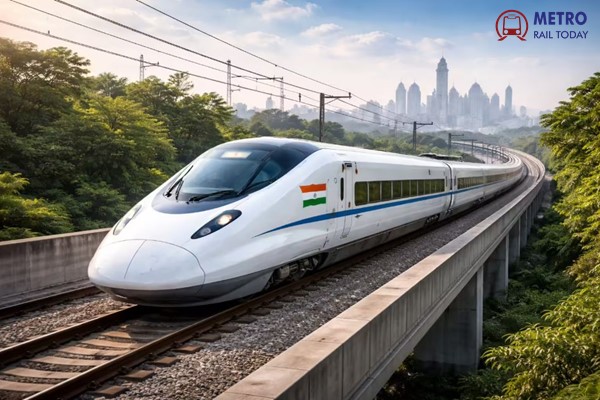 NHSRCL launches Five Heavy Portal Beams on Mumbai-Ahmedabad Bullet Train Project
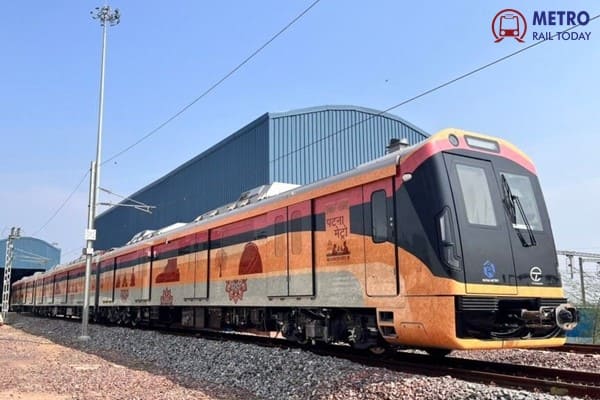 Bihar pushes Patna Metro Rail Project, explores Ultra Pod Taxi to link Airport
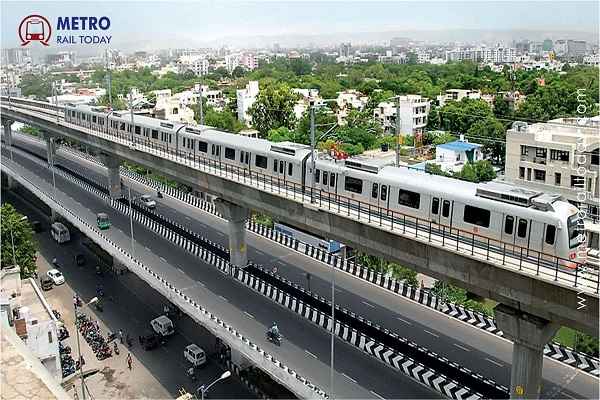 Ceigall India-led JV awarded ₹918 crore civil contract for Jaipur Metro Phase 2 Project
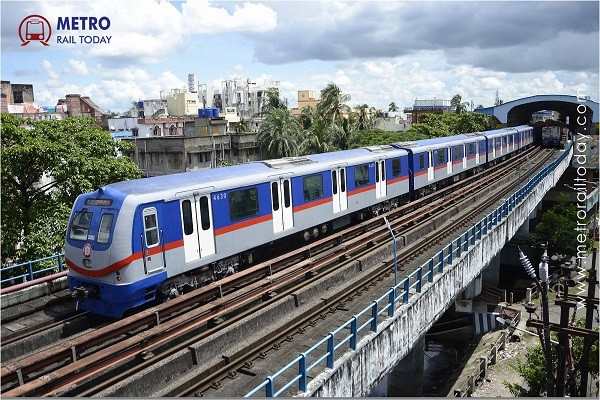 Railway Ministry sanctions ₹895 crore to upgrade Traction and Power Systems of Kolkata Metro
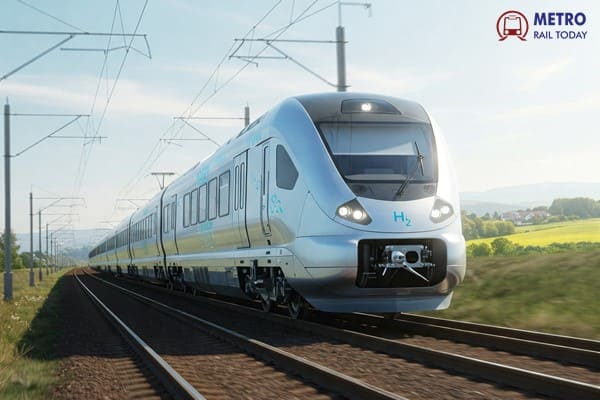 India tests First Hydrogen Train on Jind–Sonipat Route, Marks leap towards Green Rail Mobility
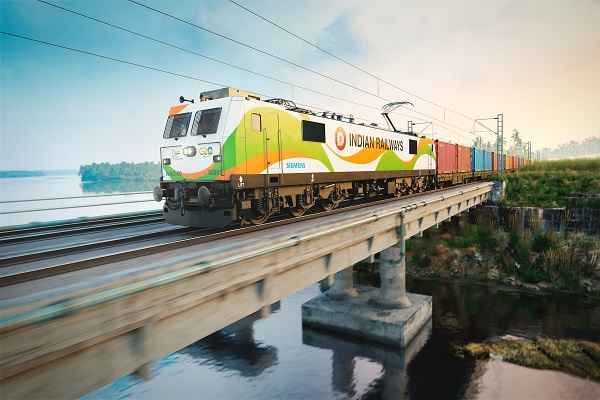 Siemens hands over first set of 9000 HP e-locomotives to Indian Railways for commercial operations
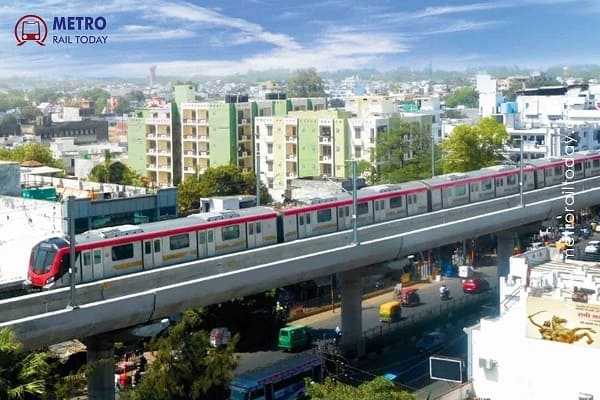 Global Tender issued for 45 Metro Coaches and Advanced Signalling for Lucknow Metro Expansion
From Steam to Speed: Indian Railways Marks 173 Years of Transformational Journey
April 16 Celebrates the Legacy of India’s First Train from Mumbai to Thane
MRT Online Desk
Posted on: 2026-04-16 09:00:00
Viewer: 1,159
Comments: 0
Country: India
City: New Delhi
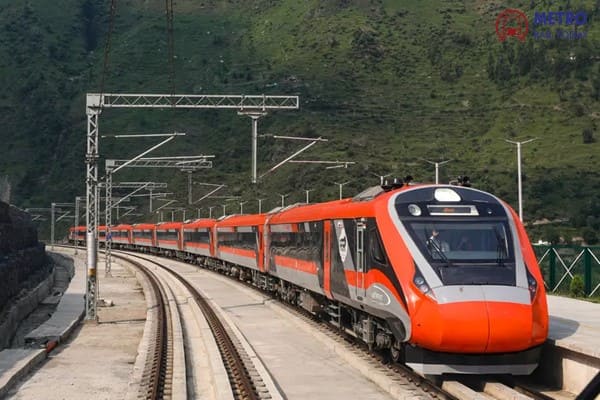
New Delhi, India (Metro Rail Today): Indian Railways commemorated a historic milestone on April 16, 2026, marking 173 years since the country’s first passenger train journey. On this day in 1853, a train hauled by three steam locomotives—Sahib, Sindh and Sultan—covered a 34-kilometre stretch between Bori Bunder in Mumbai and Thane, carrying around 400 passengers and laying the foundation of one of the world’s largest rail networks.
What began as a modest colonial-era experiment has today evolved into a vast and complex transportation backbone, playing a pivotal role in India’s economic growth, social integration and regional connectivity.
A Journey of Milestones and Modernisation
The evolution of Indian Railways has been marked by several defining moments. The early proposal for railways in 1832 was followed by the launch of the first passenger service in 1853. The introduction of electric traction in 1925 in Bombay marked the beginning of technological advancement, while the nationalisation of the railways in 1951 unified multiple railway systems into a single entity.
In recent years, the launch of the Vande Bharat Express in 2019 signalled a new era of semi-high-speed, indigenous trainsets, reflecting India’s growing capabilities in modern rail manufacturing and innovation.
Today, Indian Railways operates a network spanning over 68,000 kilometres, making it the fourth-largest railway system in the world. With more than 1.2 million employees, it remains one of the largest employers globally, operating over 13,000 trains daily and serving more than 23 million passengers every day. Notably, around 94 percent of the broad-gauge network has already been electrified, underscoring the shift toward sustainable and energy-efficient operations.
Commenting on the occasion, Mrs. Mamta Shah, MD & CEO, Urban Infra Group, said, “Indian Railways’ journey from its first steam-hauled train to today’s high-speed and technologically advanced network is truly remarkable. The continuous focus on modernisation, electrification and indigenous innovation is transforming the sector into a global benchmark for sustainable and efficient rail transport.”
Strong Growth and Future-Focused Vision
Indian Railways continues to register strong operational performance. In FY26, freight loading reached a record 1,670 million tonnes, reflecting a 3.25 percent year-on-year growth. Passenger traffic also witnessed an upward trend, with 741 crore यात्राएँ recorded during the year, marking a 3.54 percent increase over the previous fiscal.
The network is now rapidly embracing next-generation technologies, including high-speed rail corridors, advanced signalling systems, AI-based monitoring and the expansion of Vande Bharat train services. These developments are aligned with the broader vision of building a future-ready, efficient and globally competitive rail system.
A Backbone of National Development
From connecting cities and rural regions to supporting industrial growth and logistics, Indian Railways remains central to India’s development story. As it steps into the future with renewed focus on speed, safety and sustainability, the legacy of April 16, 1853 continues to inspire the transformation of one of the world’s most iconic railway systems.

MRT Online Desk
Metro Rail Today is an authentic and global news provider for the Rail & Metro industry from and around the world.