

Trending Now
 Pune Metro Line 3 set to launch First 12-km Section on 15 July 2026
 DMRC gets approval to Fell or Transplant 364 Trees for Central Vista Metro Corridor under Phase IV
 ₹4.5 Lakh crore Metro Rail Investment reaches less than 5% of Urban Population in India
 West Bengal plans to launch Water Metro Systems in Kolkata
 Titagarh Rail Systems targets full Indigenous Aluminium Coach Manufacturing by FY2027
 MMRDA issues Track Works Tender for Kasheli Depot of Mumbai Metro Line 5
 Indian Railways to procure 60 new Rolling Stock Trains for Kolkata Metro in five years
 Kerala forms Expert Committee to evaluate Thiruvananthapuram–Kannur High-Speed Rail Corridor
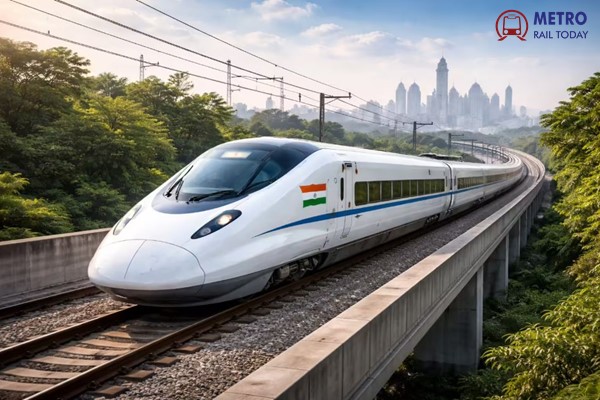 Mumbai–Ahmedabad Bullet Train Project achieves third Mountain Tunnel Breakthrough in Maharashtra
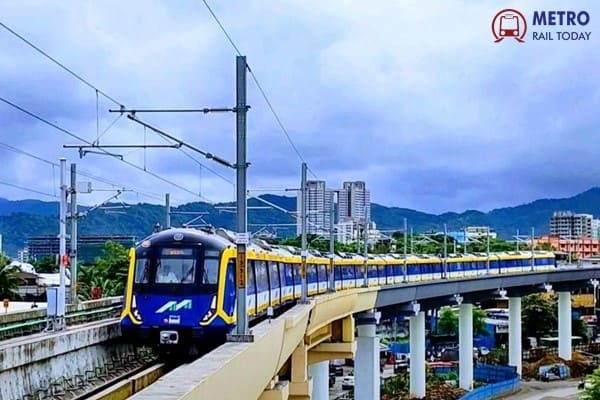 MMRDA invites bids for ₹4,882 Crore Rolling Stock & Systems Contract for Mumbai Metro Line 12
Gurugram plans 15.2-Acre Multi-Modal Transport Hub to integrate RRTS, Metro and Bus Services
MRT Online Desk
Posted on: 2025-12-01 09:05:00
Viewer: 1,662
Comments: 0
Country: India
City: Gurgaon
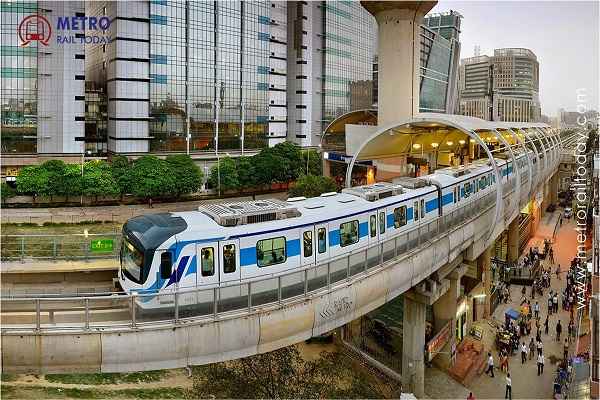
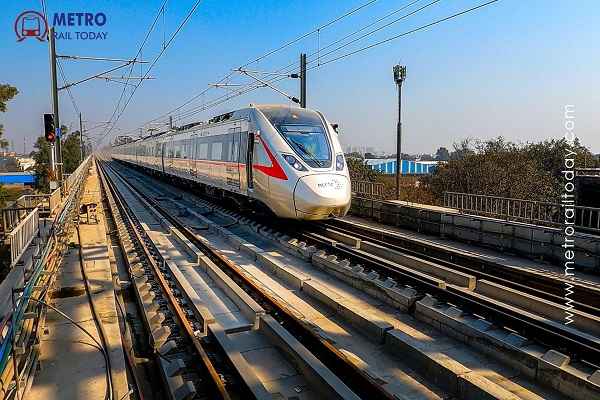
Gurugram, India (Metro Rail Today): Gurugram is set for a major urban mobility upgrade, with the Haryana government proposing a 15.2-acre integrated multi-modal transport hub at Rajiv Chowk—an area strategically located near the mini-secretariat and district court. Senior officials confirmed that the hub will combine a bus stand, multi-level parking, commercial zones and a station of the upcoming Namo Bharat Regional Rapid Transit System (RRTS), making it one of the most significant transport infrastructure projects planned for the Millennium City.
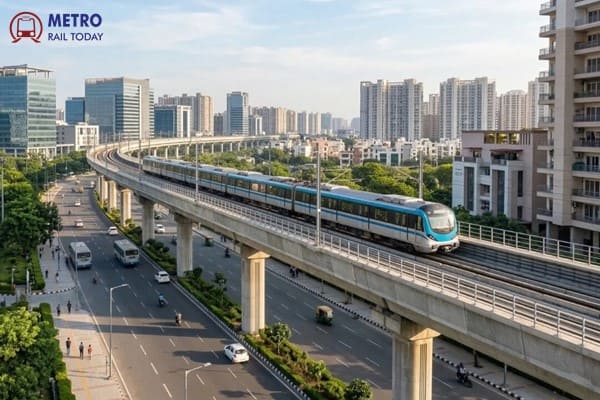
The Haryana government, in a directive issued on October 20, asked the National Capital Region Transport Corporation (NCRTC) to prepare a comprehensive master plan for ensuring seamless multimodal integration with the proposed Namo Bharat rapid rail corridor and the planned metro line between Bhondsi and Gurugram railway station. The new metro line and the RRTS are expected to intersect at Rajiv Chowk, turning the area into a key interchange point for daily commuters.
The NCRTC is currently executing the high-speed RRTS corridor from Delhi’s Sarai Kale Khan to Shahjahanpur–Behror via Gurugram. As per the revised detailed project report, construction of this 102 km corridor is expected to commence in August 2026, with commissioning targeted for November 2031. The project, estimated at ₹35,000 crore, is expected to significantly improve fast intercity transit across the National Capital Region.
Rajiv Chowk to Be Designed as a Modern Mobility Node
A senior official said NCRTC has been instructed to design the Rajiv Chowk station and surrounding area as a fully integrated transport hub featuring multi-level parking with landscaped spaces, vending zones, food courts, auto-rickshaw bays and other commuter-friendly facilities. “The design should have innovative features reflecting the stature of Millennium City,” the official said.
A meeting chaired by the deputy commissioner on October 28 discussed the proposal in detail, following which NCRTC was asked to create a single, holistic development plan for the entire 15.2-acre parcel. The plan may include commuter amenities, commercial development and public spaces, subject to urban development norms.
Offering an industry perspective, Mrs. Mamta Shah, MD & CEO of Urban Infra Group, said, “Multi-modal hubs like the proposed Rajiv Chowk centre represent the future of integrated mobility in fast-growing cities. When RRTS, metro, buses and last-mile modes come together under one ecosystem, it transforms commuter convenience and strengthens the economic dynamism of the region.”
Coordination Among Agencies Begins
An NCRTC official confirmed that the proposal from the Haryana government has been received and is currently under review. Earlier, the transport department had planned a dedicated bus stand and a land transfer to the Gurugram Metropolitan Development Authority for a bus depot. However, the state has now opted for a fully integrated development linked to both RRTS and metro connectivity.
A government communique dated November 15 noted that NCRTC will prepare the integrated plan in coordination with the transport department and GMDA. Future development will also require approvals from the transport and agriculture departments, along with consent from landowners.
If approved, the Rajiv Chowk multi-modal hub will emerge as one of Gurugram’s most impactful mobility infrastructure upgrades, helping shape a modern, interconnected transport network for the region.

MRT Online Desk
Metro Rail Today is an authentic and global news provider for the Rail & Metro industry from and around the world.