

Trending Now
 MMRDA seeks ₹14,100 Crore Loan for two upcoming Mumbai Metro Corridors
 Jupiter Wagons Eyes ₹20,000-Crore Mumbai Suburban Mega Rolling Stock Tender
 Mumbai Metro Chief Ashwini Bhide appointed as First Woman BMC Commissioner
 TBM ‘Parvati’ completes Underground Tunnelling on Kanpur Metro Phase 1 Project
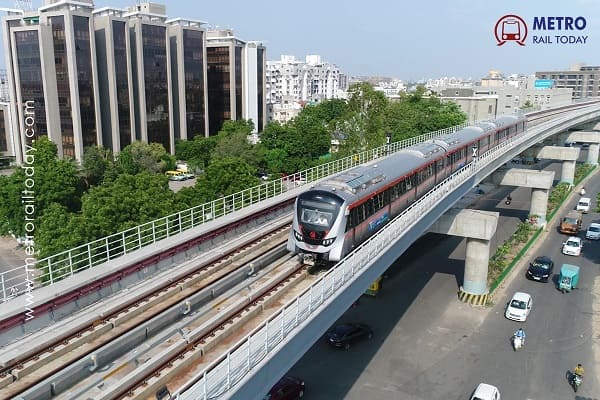 Surat Metro begins First Trial Run on 8.5 km Diamond Corridor between Dream City and Althan Tenement
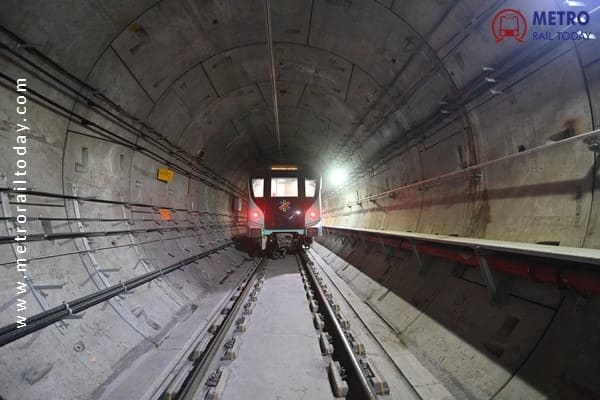 Cemindia wins ₹1,024 crore Civil Contract for Central Vista Tunnel Package of Delhi Metro Phase V
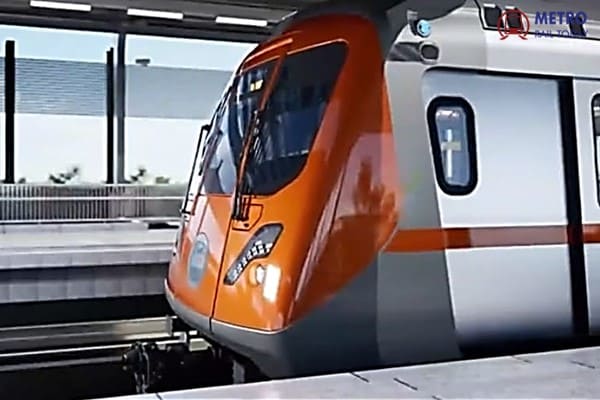 TBM ‘Durgavati’ begins tunneling works on Bhopal Metro Underground Stretch
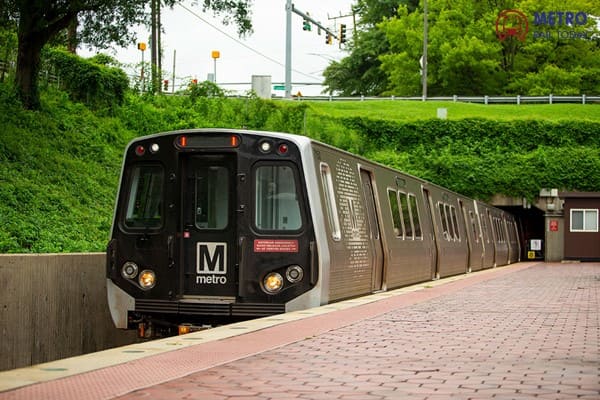 Washington Metro celebrates its Golden Jubilee—50 years of passenger service
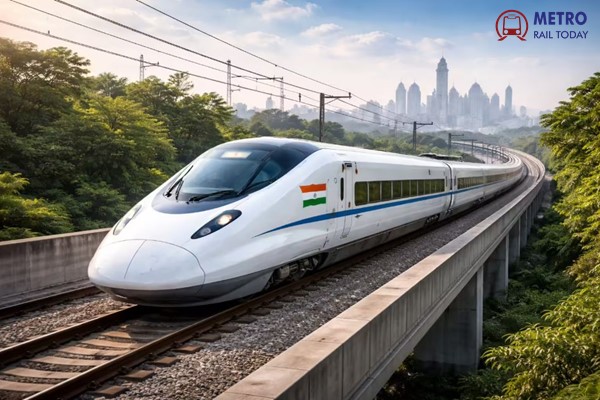 Two TBMs arrive in Mumbai for undersea tunneling on Mumbai-Ahmedabad Bullet Train Project
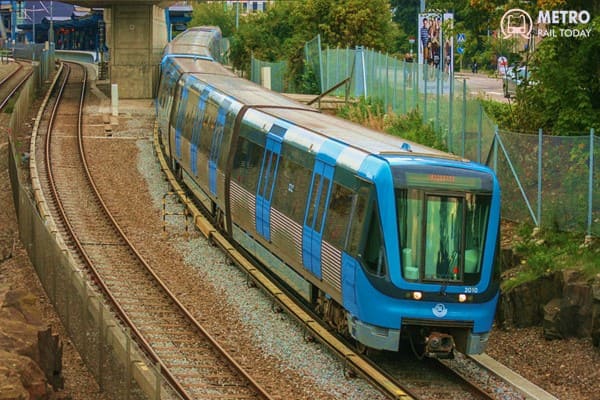 Alstom awarded €915 million Rolling Stock Contract for Belgrade’s First Driverless Metro Line
India achieves Global Leadership in Sustainable Rail Transport with 95% Electrification
MRT Online Desk
Posted on: 2024-09-02 07:30:00
Viewer: 1,666
Comments: 0
Country: India
City: New Delhi
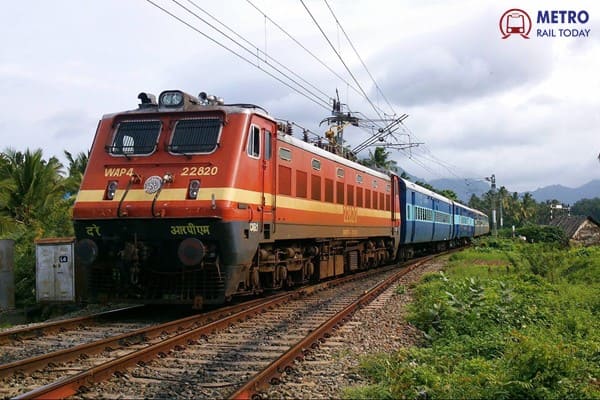
New Delhi, India (Metro Rail Today): India has cemented its position as a global leader in sustainable rail transport by electrifying 95 percent of its extensive 68,000-kilometer railway network. This remarkable achievement, confirmed by Mukul Saran Mathur, an Additional Member of the Railway Board, underscores India’s commitment to modernizing its railway infrastructure while addressing environmental concerns.
A Milestone in Electrification
Over the past decade, Indian Railways has electrified more than 42,000 kilometers of track. This progress has set India apart from other major global players in railway electrification. For context, the European Union has achieved 56 percent electrification, the United Kingdom 38 percent, and the United States a mere 1 percent. India’s achievement makes it the world’s largest green railway system, a title it has earned through relentless effort and substantial investment.
Mathur highlighted this milestone during the National Conference on Railway Modernisation, where he emphasized the significance of this advancement for India's railway modernization. He also pointed out the scale of Indian Railways’ operations, which serve over 20 million passengers daily and have recently operated more than 5,000 special trains to support migrant workers during challenging times.
Modernization Efforts and Investments
India’s journey towards this level of electrification has been supported by substantial investments and a strategic approach to modernization. The Indian government allocated ₹85,000 crore for railway expansion in the 2023-24 fiscal year. This investment not only supports infrastructure upgrades but also enhances passenger services. For instance, improvements in the ticketing system have reduced refund processing times to just one or two business days.
Since 2014, Indian Railways has invested over ₹46,425 crore in its modernization efforts. By the end of 2023, the fleet included 10,238 electric locomotives, significantly surpassing the 4,543 diesel engines still in service. Although the full transition away from diesel engines will take time, the shift to electric traction is well underway.
In the fiscal year 2023-24 alone, Indian Railways electrified 7,188 kilometers of track. Notable routes such as Ahmedabad-Rajkot-Okha (499 km), Bengaluru-Talguppa (371 km), and Bathinda-Firozpur-Jalandhar (301 km) are now fully operational under electric traction. This extensive electrification effort is expected to contribute significantly to reducing carbon emissions, with projections indicating a 24 percent reduction by 2027-28.
Economic and Environmental Implications
The push for electrification is not merely an infrastructure upgrade; it represents a broader commitment to sustainability and economic growth. Electrifying the railway network reduces reliance on imported fossil fuels and lowers carbon emissions, positioning Indian Railways as a modern, efficient, and environmentally friendly component of the nation’s economy.
The electrification program also has substantial economic benefits. It generates employment opportunities during the construction phase and enhances the efficiency of railway operations, contributing to overall economic growth. The shift to electric traction supports India's goals under the Gati Shakti plan, which aims to leverage technology for improved cargo visibility and last-mile connectivity.
Technological Advancements and Future Goals
At the conference, Sanjay Bajpai, co-chairman of the National Council on Logistics and Warehousing, highlighted the critical role of technology in railway modernization. He emphasized the importance of artificial intelligence (AI) and machine learning in achieving 100 percent cargo visibility and improving last-mile connectivity. These technological advancements are integral to India's goal of becoming a "Viksit Bharat" (Developed India) by 2047.
The discussions at the conference underscored the central role of the railway sector in achieving the nation's development goals. The modernization of India’s railways is seen as a critical factor in the country's overall development trajectory, supporting both economic growth and environmental sustainability.
India’s achievement of 95 percent electrification of its railway network marks a significant milestone in the global effort towards sustainable transportation. With its extensive electrification program, substantial investments, and commitment to technological advancements, Indian Railways is not only improving its operational efficiency but also contributing to environmental sustainability. As India continues to lead in this area, the focus on modernizing the railway system will play a crucial role in achieving broader national development goals and reinforcing the country's position as a global leader in sustainable rail transport.


MRT Online Desk
Metro Rail Today is an authentic and global news provider for the Rail & Metro industry from and around the world.