

Trending Now
 Govt of India approves 1500-km Delhi–Guwahati Northern Bullet Train Corridor
 Railway Board grants conditional clearance to RCF-Built Vande Bharat Trainset with Alstom Propulsion
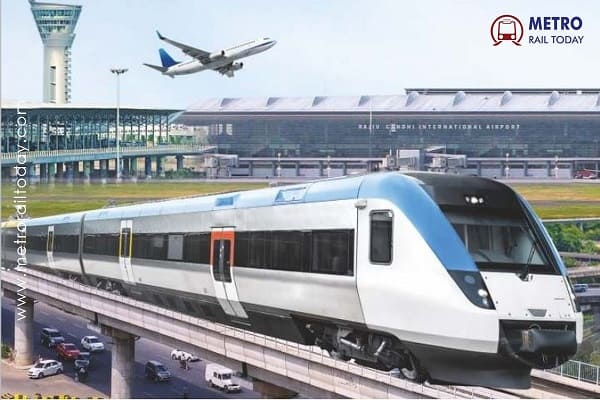 Two Consortia Bid for General Consultancy Contract for Hyderabad Metro Phase 2 Project
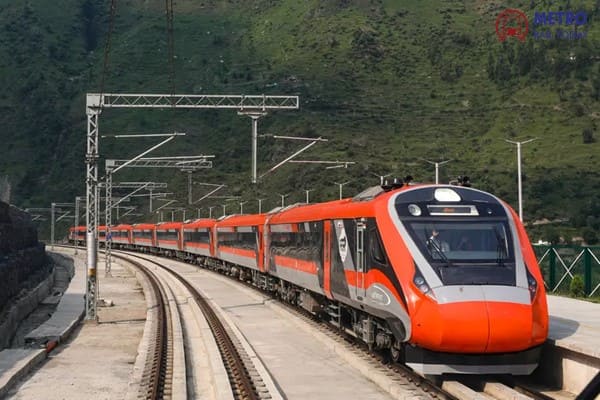 RNS Infra–Gayatri Projects JV awarded ₹342 crore Civil Contract for Bengaluru Suburban Rail Project
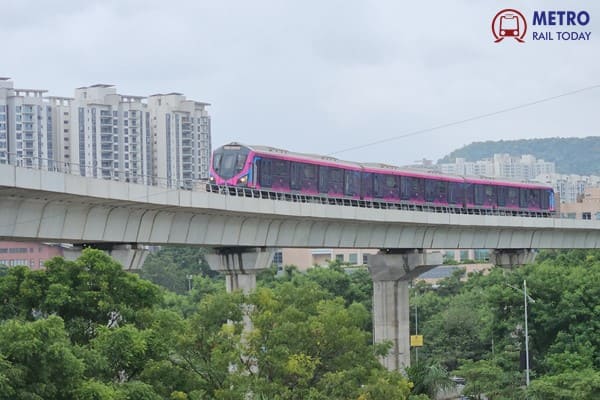 PM Modi to inaugurate Pune Metro's Hinjewadi–Shivajinagar Metro Corridor on November 3
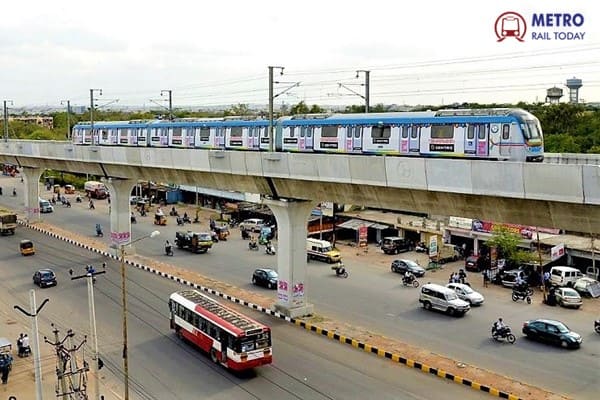 Govt of India approves ₹24,269 crore Hyderabad Metro Phase 2 Project with five new corridors
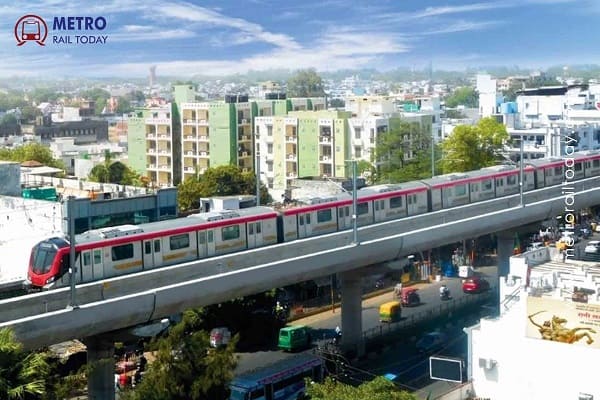 Sterling and Wilson wins ₹313.88 crore Traction Power and SCADA Contract for Lucknow Metro Phase 1B
- Adani Group's Cemindia Projects awarded ₹665.61 crore Contract for Bengaluru Suburban Rail Project
- Afcons Infrastructure bags ₹1,383 crore Contract for Lucknow Metro Phase 1B Underground Corridor
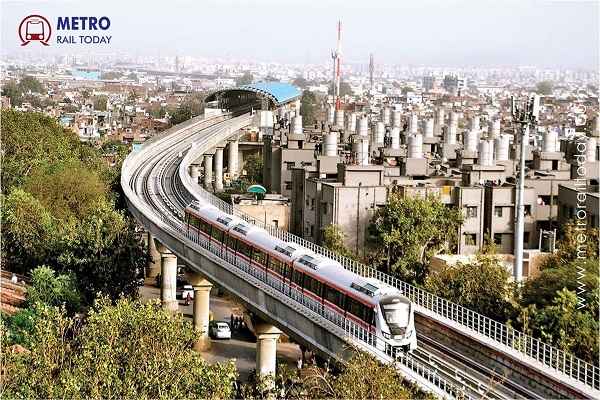 Ranjit Buildcon–SAM India JV awarded ₹859.25 crore Civil Contract for Ahmedabad Metro Phase 2A
Railway Board grants conditional clearance to RCF-Built Vande Bharat Trainset with Alstom Propulsion
MRT Online Desk
Posted on: 2026-11-02 06:03:00
Viewer: 106
Comments: 0
Country: India
City: New Delhi
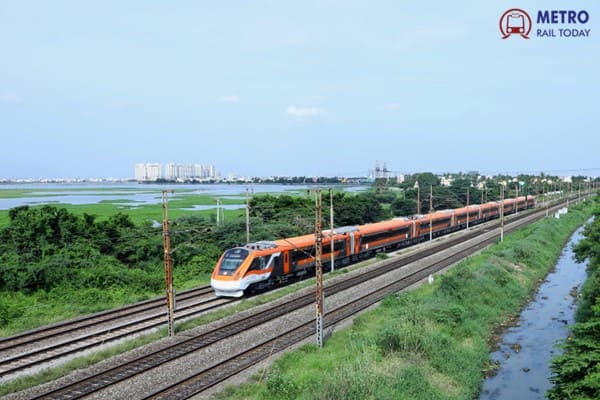
New Delhi, India (Rail & Metro Today): The Railway Board has granted conditional clearance for the introduction of a 16-car Vande Bharat Chair Car trainset manufactured by Rail Coach Factory (RCF), Kapurthala, featuring propulsion equipment supplied by Alstom. The trainset has been cleared for operation at speeds of up to 160 km/h, subject to compliance with specified technical and operational conditions.
The development marks an important step in expanding India's Vande Bharat manufacturing ecosystem, with RCF taking on the production of an integrated trainset using Alstom's propulsion package. It is important to clarify that the trainset has been manufactured by RCF and is not a complete train manufactured by Alstom.
According to reports, the Railway Board issued its clearance letter on October 23, 2026, following certification by the Research Designs and Standards Organisation (RDSO) and a high-speed trial conducted under the supervision of the Commissioner of Railway Safety (CCRS) on October 8. During the trial, the trainset reportedly achieved a speed of 180 km/h.
Conditional Approval Following High-Speed Trials
The clearance represents a significant technical milestone for the RCF-built Vande Bharat trainset. However, the Board's approval is conditional and requires attention to several technical observations before the trainset can progress towards regular passenger operations.
Issues reportedly identified in the Railway Board's communication include touchscreen responsiveness of the Driver Display Unit (DDU), electrical protection arrangements, fault-tracing provisions and equipment labelling. Other observations concern the secure installation of fire extinguishers and equipment cubicles, fire-survival cabling and crash-hardened recording systems.
The Board has also sought a review of the 270-kW traction motor (TM) rating. The motor rating needs to be assessed in relation to the train's overall performance requirements, thermal duty cycle, energy consumption and compatibility with other propulsion system components. A higher motor rating does not automatically translate into better performance; its suitability depends on the complete system design.
Expanding RCF's Vande Bharat Manufacturing Capability
The development is significant for both RCF and Alstom. For RCF, the project represents progress beyond conventional passenger coach manufacturing towards the production of integrated, modern trainsets.
For Alstom, the clearance provides an important qualification reference for its propulsion package within the Vande Bharat programme. The development also broadens the range of manufacturing and propulsion options available to Indian Railways, potentially supporting greater competition, production flexibility and supply-chain resilience.
However, the use of domestic manufacturing facilities should not automatically be interpreted as complete localisation of propulsion technology. The extent of technology transfer, component localisation, software access and long-term maintenance capabilities will remain important considerations.
160-km/h Clearance Does Not Mean 180-km/h Passenger Operations
The trainset's reported achievement of 180 km/h during trials should be distinguished from its approved operating speed. The Railway Board's conditional clearance is for operation at up to 160 km/h, subject to applicable technical requirements and operational approvals.
Actual passenger-service speeds will also depend on route characteristics, track and signalling infrastructure, safety standards and the introduction sanction of the operating railway. A successful high-speed trial does not, by itself, authorise commercial operations at the same speed.
Similarly, technical clearance, deployment on a route and reliable passenger service are separate milestones. Completion of the outstanding observations and compliance with the prescribed conditions will be essential before the trainset enters regular service.
Focus on Reliability and Lifecycle Readiness
Beyond obtaining initial approval, the next challenge will be ensuring consistent quality, maintainability and operational availability throughout the trainset's service life.
This will require documented closure of technical observations, incorporation of necessary corrections into engineering drawings and software versions, and appropriate inspection procedures for subsequent trainsets. Maintenance depots will also need suitable diagnostic equipment, spare parts, trained personnel and repair capabilities.
Clear responsibilities for design authority, software access, modification rights and technology obsolescence will be equally important, particularly where propulsion systems involve multiple suppliers and technology partners.
The conditional clearance of the RCF-built Vande Bharat trainset with Alstom propulsion is an encouraging development for India's railway manufacturing ecosystem. However, the real measure of success will be the trainset's ability to deliver dependable performance, high availability and efficient maintenance over its entire operational lifecycle—not merely its achievement of high speeds during trials.

MRT Online Desk
Metro Rail Today is an authentic and global news provider for the Rail & Metro industry from and around the world.