

Trending Now
 Global Tender issued for 45 Metro Coaches and Advanced Signalling for Lucknow Metro Expansion
 Delhi approves ₹48,204 crore plan for 97-km Metro Rail Expansion under Delhi Metro Phase V(B)
 Odisha replans Bhubaneswar Metro into Tri-City Project to connect capital city with Cuttack and Puri
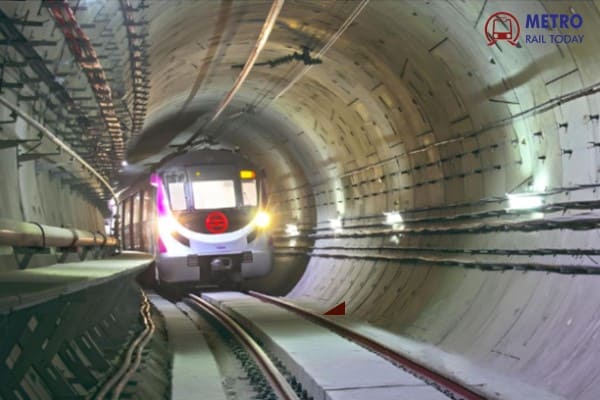 Kalpataru-SOMA JV bags ₹1,522 Cr Contract for Delhi Metro's Inderlok–Indraprastha Magenta Line Extn
- Ghaziabad plans New Metro Corridor linking Vaishali to Gokulpuri via Hindon Airport
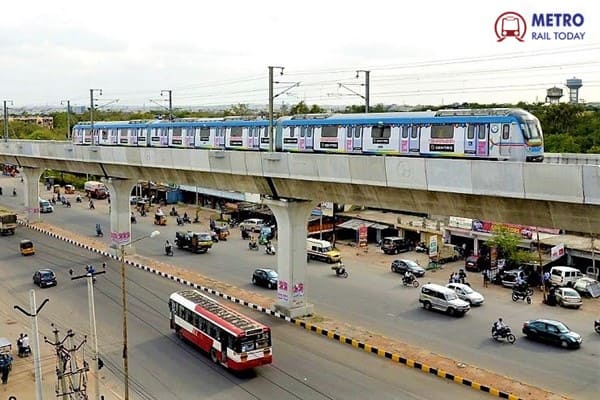 Telangana Government takes full control of Hyderabad Metro from L&T in ₹1,461 crore Deal
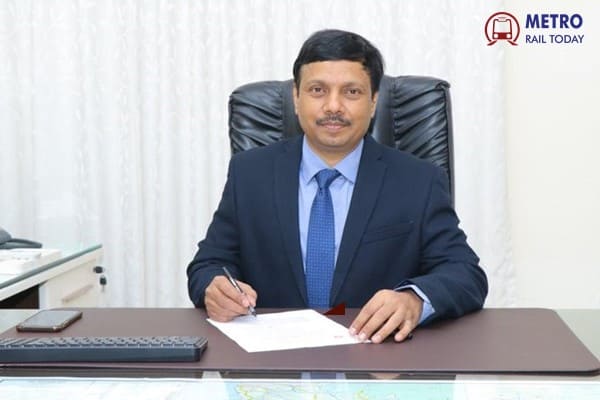 R Mohanraja appointed as new Secretary of Railway Board, Ministry of Railways
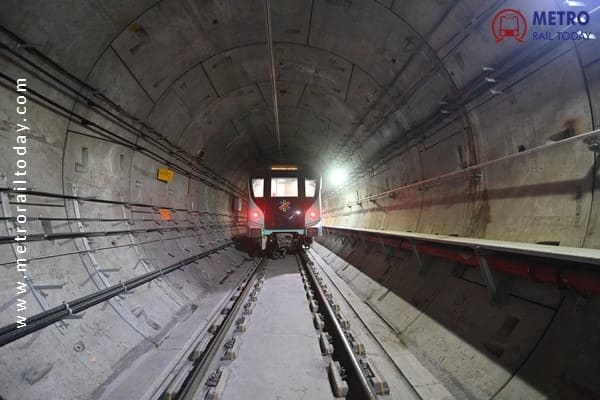 Adani Group's construction arm bags first ₹1,024 crore Civil Contract of Delhi Metro Phase 5
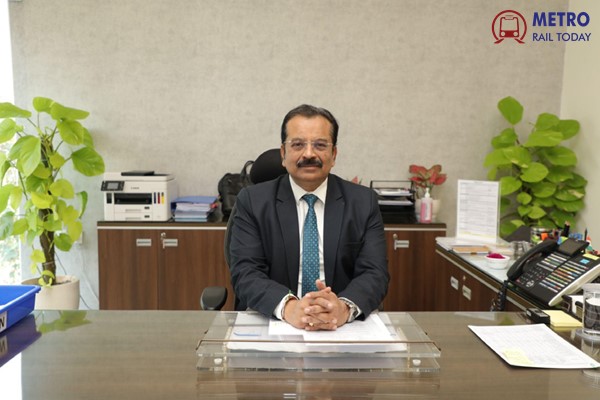 Govt approves permanent absorption of NCRTC Managing Director Shalabh Goel from Indian Railways
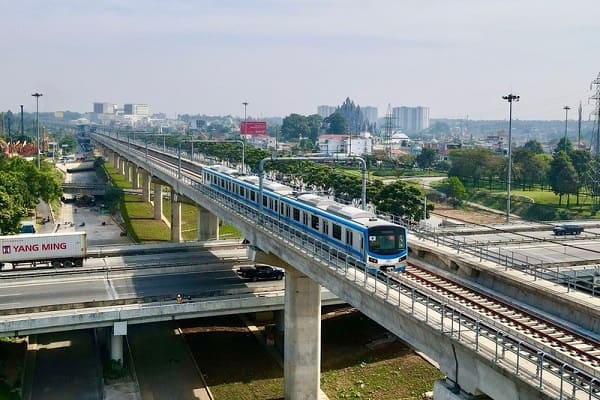 Hyundai Rotem signs $332 million Rolling Stock Contract with Vietnam for Ho Chi Minh City Metro
RITES delivers First Refurbished Metro Trainset to DMRC with advanced IP-Based Passenger System
MRT Online Desk
Posted on: 2026-04-10 10:40:00
Viewer: 1,519
Comments: 0
Country: India
City: New Delhi
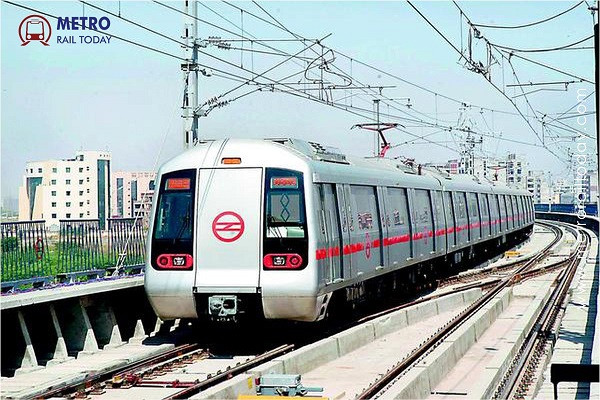
New Delhi, India (Metro Rail Today): RITES Ltd., in consortium with r2p Asia-Pacific Pty Ltd. and ACT Fibreglass Ltd., has successfully delivered its first refurbished metro trainset to Delhi Metro Rail Corporation (DMRC), marking a key milestone in the modernization of India’s urban transit systems. The upgraded trainset was flagged off by DMRC Managing Director Dr. Vikas Kumar at the Najafgarh Depot in New Delhi.
The retrofit introduces a next-generation IP-based Passenger Announcement and Passenger Information System (PAPIS), significantly enhancing onboard communication, passenger experience and operational efficiency.
Advanced PAPIS for Integrated Passenger Experience
The newly installed PAPIS leverages Internet Protocol (IP)-based architecture to seamlessly integrate multiple onboard systems, including passenger information displays, public address systems, CCTV surveillance and emergency communication interfaces. All systems are centrally managed through an advanced Human Machine Interface (HMI), enabling real-time monitoring and control.
Built on Power over Ethernet (PoE) technology, the system reduces wiring complexity and improves reliability while lowering lifecycle costs. This modern approach simplifies maintenance and enhances overall system performance, aligning with global best practices in metro operations.
Commenting on the development, Mrs. Mamta Shah, MD & CEO, Urban Infra Group, said, “The introduction of IP-based passenger information systems in refurbished rolling stock reflects a strong shift toward digitalisation and smart mobility in India’s metro sector. Upgrading existing assets with advanced technologies is a cost-effective way to enhance safety, efficiency and passenger experience while extending asset life.”
Enhanced Safety and Refurbishment Upgrades
The refurbished trainset is equipped with a suite of enhanced safety features, including integrated CCTV systems, emergency communication mechanisms, alarm systems and real-time diagnostics. These improvements are expected to significantly strengthen passenger safety and enable quicker response to operational issues.
In addition to the PAPIS upgrade, the trainset has undergone extensive refurbishment works. These include interior repainting of passenger saloons, installation of inter-vehicle couplers, upgraded fire detection systems, mobile charging points, and refurbishment of electrical distribution boards and relay panels. Together, these upgrades contribute to a more comfortable and secure travel experience.
Compliant, Future-Ready Metro Solutions
The upgraded systems comply with key national and international standards, including BIS, EN and MeitY/STQC, ensuring high levels of quality, safety and reliability. The project reflects a broader trend of integrating digital technologies into legacy metro assets to create smarter and more sustainable transit solutions.
The successful delivery of the retrofitted trainset underscores RITES’ growing role in delivering technology-driven solutions for urban mobility. As metro systems across India continue to expand, upgrading existing fleets with intelligent systems will play a crucial role in ensuring sustainability, efficiency and improved service quality.
This initiative sets a new benchmark for metro refurbishment projects, demonstrating how innovation and engineering expertise can transform legacy systems into future-ready assets for modern urban transportation.

MRT Online Desk
Metro Rail Today is an authentic and global news provider for the Rail & Metro industry from and around the world.