

 CLW sets Global Benchmark with record 800 Electric Locomotives production in FY 2025–26
 NMRC invites Applications for Key Executive Positions for Noida Metro Rail Project
 Central Govt rejects revised DPR of 7.5 km Noida-Greater Noida Metro Rail Extension Project
 Revised DPR of Prayagraj Metro focuses on seamless Rail-Air connectivity
 DMRC floats Tender for Central Vista Depot Design in Delhi Metro Phase V Expansion
 MMRDA seeks ₹14,100 Crore Loan for two upcoming Mumbai Metro Corridors
 Jupiter Wagons Eyes ₹20,000-Crore Mumbai Suburban Mega Rolling Stock Tender
 Mumbai Metro Chief Ashwini Bhide appointed as First Woman BMC Commissioner
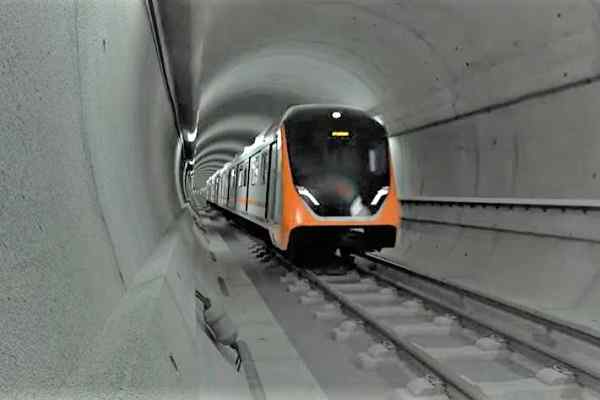 TBM ‘Parvati’ completes Underground Tunnelling on Kanpur Metro Phase 1 Project
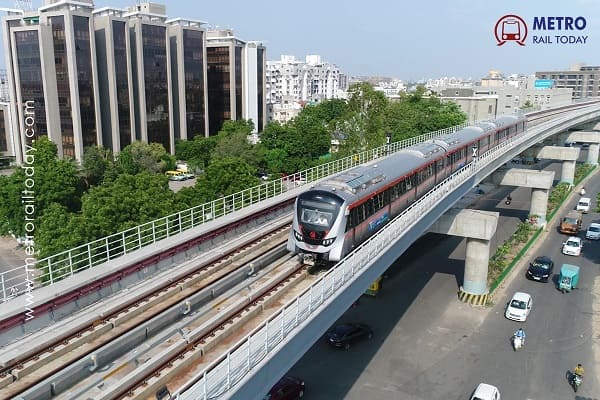 Surat Metro begins First Trial Run on 8.5 km Diamond Corridor between Dream City and Althan Tenement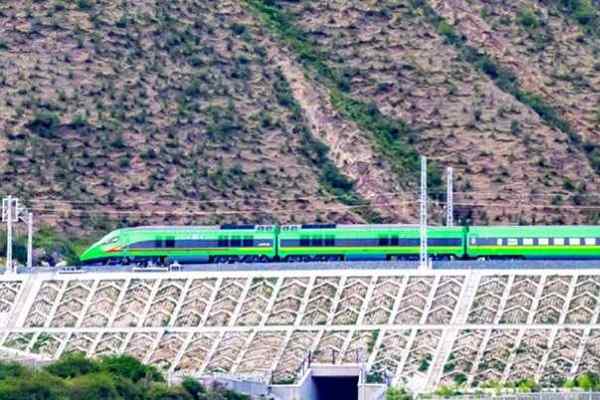
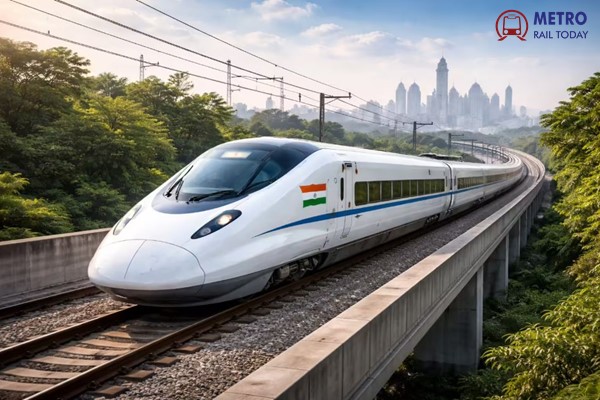
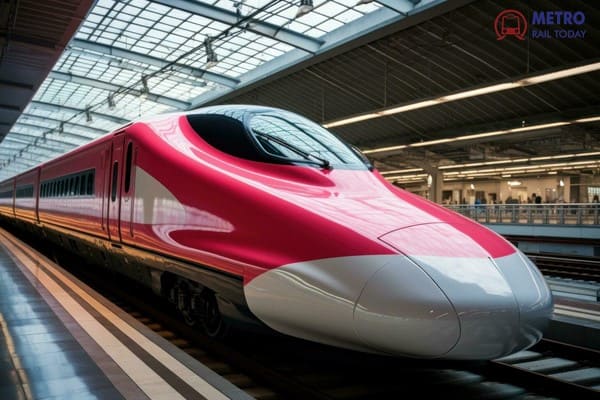
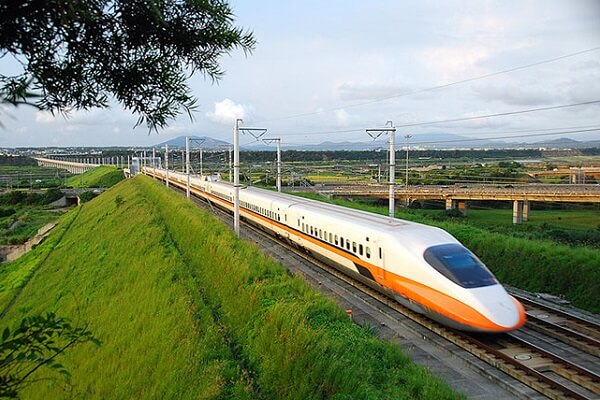
The proposed corridor will span approximately 785 kilometres, linking the two capitals via Al-Hofuf and Dammam in Saudi Arabia’s Eastern Province. Designed as a fully electrified, high-speed system, trains on the route are expected to operate at speeds exceeding 300 km/h, reducing travel time between Riyadh and Doha to around two hours.
A key feature of the project is its direct integration with major aviation hubs. The railway will connect King Salman International Airport in Riyadh and Hamad International Airport in Doha, enabling seamless air-to-rail transfers and strengthening multimodal connectivity across the region.
The high-speed link is projected to carry more than 10 million passengers annually once operational, reflecting growing business, tourism, and cultural exchanges between the two nations. By significantly reducing travel time and enhancing reliability, the corridor is expected to shift passenger preference from road and short-haul air travel to sustainable rail mobility.
Beyond passenger convenience, the project is poised to deliver substantial economic benefits. Estimates indicate an economic impact of approximately SAR 115 billion, driven by construction activity, job creation, tourism growth, and expanded trade flows. More than 30,000 jobs are expected to be generated during the development and operational phases.
The initiative aligns with broader regional development strategies, including Saudi Arabia’s Vision 2030 and Qatar’s long-term infrastructure plans, both of which prioritise sustainable transport, carbon reduction, and economic diversification. As a low-carbon mobility solution, the electrified railway will contribute to reducing road congestion and lowering emissions compared to conventional transport modes.
The Riyadh–Doha rail link is also viewed as a critical building block in advancing a more unified GCC transport network, potentially paving the way for future cross-border rail expansions across the Gulf region.
Commenting on the development, Mrs. Mamta Shah, MD & CEO, Urban Infra Group, said, “The approval of the Riyadh–Doha high-speed rail corridor represents a transformative milestone for regional integration in the Gulf. High-speed rail not only enhances passenger mobility but also acts as a catalyst for economic collaboration, sustainable development, and multimodal connectivity. Projects of this scale redefine how neighbouring economies interact and grow together.”
With formal approval now secured, the project signals a new era of high-speed, sustainable cross-border connectivity in the Gulf.