


Trending Now
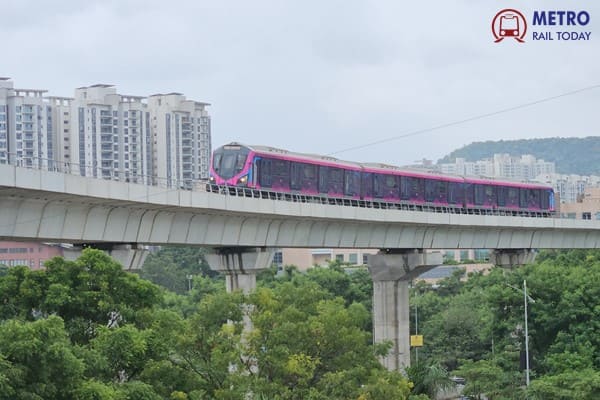 Pune Metro Line 3 set to launch First 12-km Section on 15 July 2026
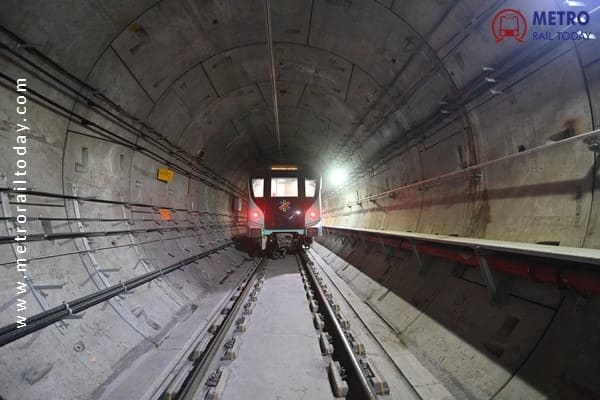 DMRC gets approval to Fell or Transplant 364 Trees for Central Vista Metro Corridor under Phase IV
 ₹4.5 Lakh crore Metro Rail Investment reaches less than 5% of Urban Population in India
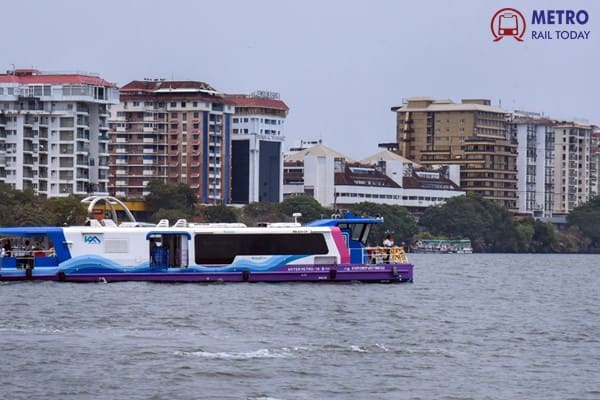 West Bengal plans to launch Water Metro Systems in Kolkata
 Titagarh Rail Systems targets full Indigenous Aluminium Coach Manufacturing by FY2027
 MMRDA issues Track Works Tender for Kasheli Depot of Mumbai Metro Line 5
 Indian Railways to procure 60 new Rolling Stock Trains for Kolkata Metro in five years
 Kerala forms Expert Committee to evaluate Thiruvananthapuram–Kannur High-Speed Rail Corridor
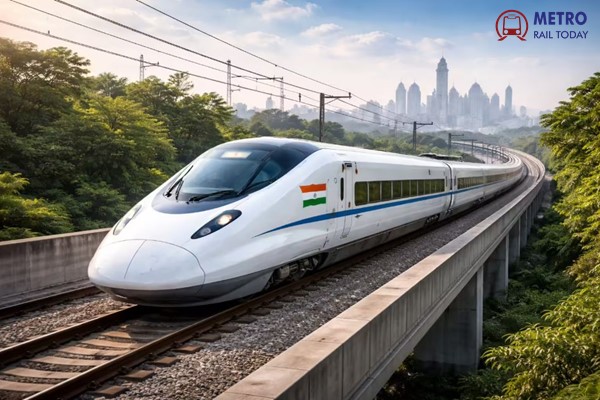 Mumbai–Ahmedabad Bullet Train Project achieves third Mountain Tunnel Breakthrough in Maharashtra
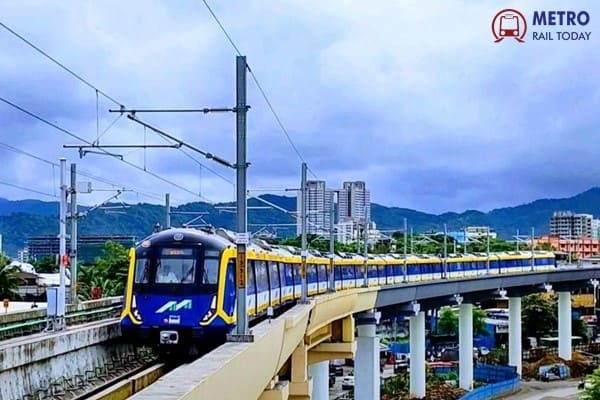 MMRDA invites bids for ₹4,882 Crore Rolling Stock & Systems Contract for Mumbai Metro Line 12
SCC–MIRAL JV bags ₹118.6 crore contract for Multimodal Integration at Bullet Train Stations
MRT Online Desk
Posted on: 2025-12-18 10:30:00
Viewer: 1,602
Comments: 0
Country: India
City: New Delhi
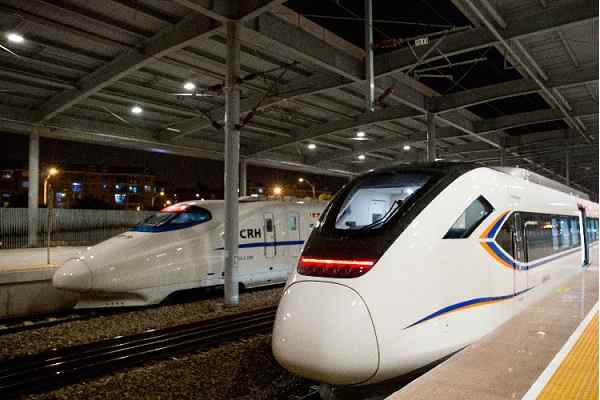
New Delhi, India (Metro Rail Today): In a significant milestone for the Mumbai–Ahmedabad High-Speed Rail (MAHSR) project, SCC–MIRAL (Joint Venture) has received a Letter of Acceptance (LoA) from the National High Speed Rail Corporation Limited (NHSRCL) for executing multi-modal integration and station plaza development works at four bullet train stations in Gujarat. The total contract value stands at ₹118.61 crore, marking another step forward in enhancing passenger access and station-area infrastructure for India’s first high-speed rail corridor.
The awarded contract covers Surat, Bilimora, Vapi, and Bharuch stations, all located along the Gujarat section of the 508.17-kilometre Mumbai–Ahmedabad high-speed rail line. The scope focuses on creating seamless connectivity between the bullet train stations and surrounding urban transport systems, a key requirement for improving last-mile accessibility and passenger experience.
Competitive Bidding and Evaluation Process
NHSRCL had invited bids for this package with a stipulated completion period of 730 days. Technical bids were opened on 14 August 2025, revealing participation from four firms. Following detailed technical scrutiny completed on 22 September 2025, bidders qualifying for the financial stage were shortlisted.
Financial bids for the technically qualified firms were opened on 23 September 2025, with the final financial evaluation concluding on 16 December 2025. During this phase, bids from two firms were rejected, after which SCC–MIRAL (JV) emerged as the lowest bidder. The competing bid from Dineshchandra R Agrawal Infracon Pvt. Ltd. stood at ₹133.2 crore, significantly higher than the winning bid of ₹118.6 crore.
The multimodal integration works are aimed at developing well-planned station plazas, pedestrian facilities, access roads, and interfaces with buses, taxis, and other modes of urban transport. Such integration is critical for ensuring that high-speed rail stations function as efficient mobility hubs rather than isolated terminals.
Commenting on the development, Mrs. Mamta Shah, MD & CEO, Urban Infra Group, said, “Multimodal integration is the backbone of successful high-speed rail systems globally. This contract reflects NHSRCL’s focus on passenger-centric planning, ensuring that bullet train stations in Gujarat are seamlessly connected with city transport networks, enhancing accessibility, convenience, and long-term ridership.”
Strategic Importance within the MAHSR Corridor
The Mumbai–Ahmedabad High-Speed Rail corridor spans 508.17 km and includes 12 stations across Maharashtra and Gujarat, namely Mumbai (Bandra Kurla Complex), Thane, Virar, Boisar, Vapi, Bilimora, Surat, Bharuch, Vadodara, Anand/Nadiad, Ahmedabad, and Sabarmati. Designed for trains operating at speeds up to 320 kmph, the project is being developed with Japanese Shinkansen technology.
While track, viaduct, and station construction remain the core focus, experts highlight that station-area development and multimodal access will play a decisive role in the operational success of the corridor. Efficient integration reduces dependence on private vehicles, shortens door-to-door travel time, and supports sustainable urban mobility goals.
With the award of this ₹118.6 crore contract, NHSRCL continues to advance beyond core civil works toward creating a fully integrated high-speed rail ecosystem. The SCC–MIRAL JV-led multimodal integration at key Gujarat stations is expected to significantly improve passenger movement, station accessibility, and urban connectivity, reinforcing the MAHSR project’s position as a transformative infrastructure initiative for India.

MRT Online Desk
Metro Rail Today is an authentic and global news provider for the Rail & Metro industry from and around the world.