


Trending Now
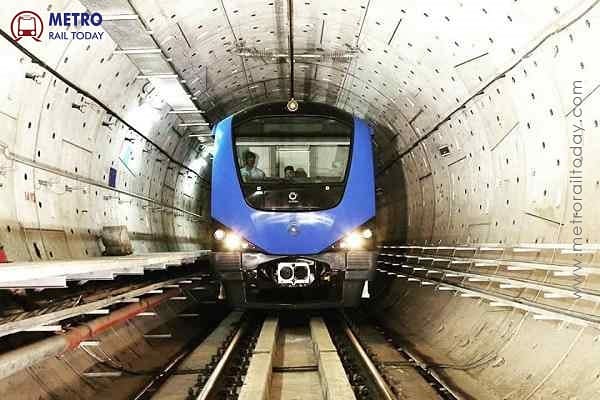 TBM Servarayan achieves Tunnel Breakthrough on Corridor 3 of Chennai Metro Phase 2
 India targets 350 kmph Indigenous Bullet Train to accelerate High-Speed Rail ambitions
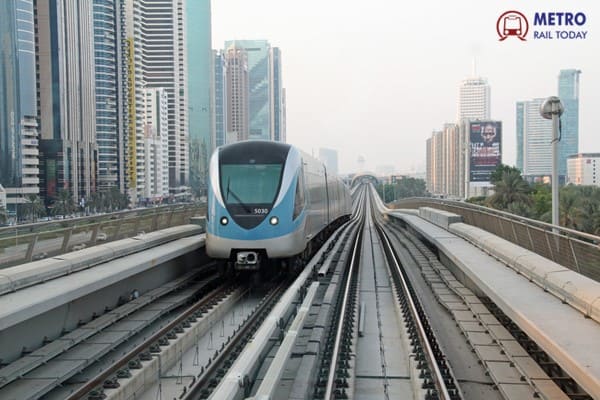 RTA invites bids for $9.2 billion Dubai Metro's Gold Line Expansion Project
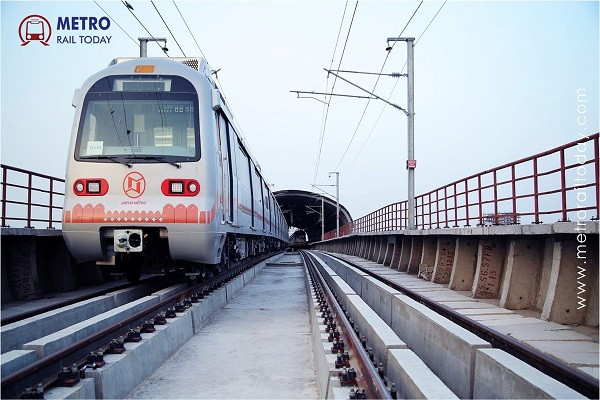 ICT–RINA JV awarded Design Consultancy Contract for Jaipur Metro Phase 2
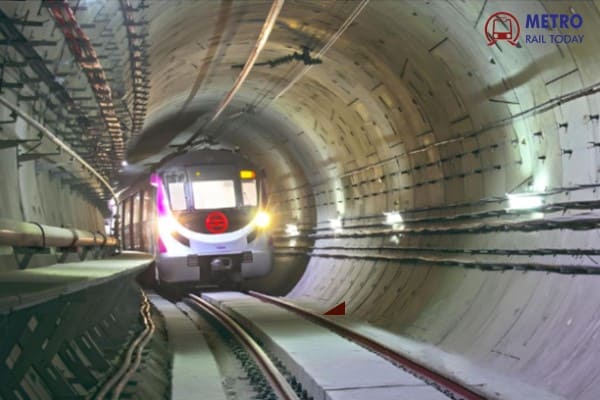 J. Kumar Infraprojects achieves TBM Breakthrough at Mahipalpur for Delhi Metro Phase IV
- DPR submitted for 671 km Hyderabad–Pune–Mumbai High-Speed Rail Corridor
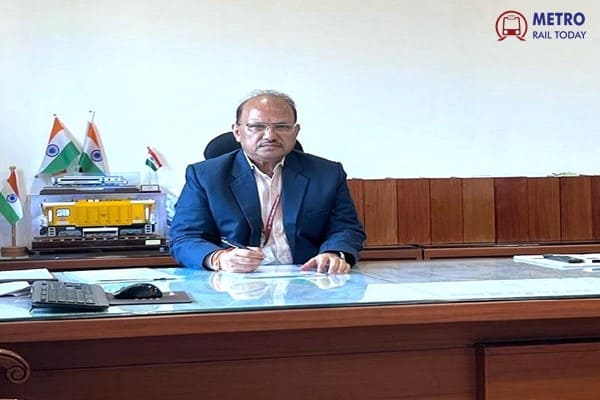 Former Railway Board Member Anil Kumar Khandelwal Joins Advisory Board of Rail Chamber
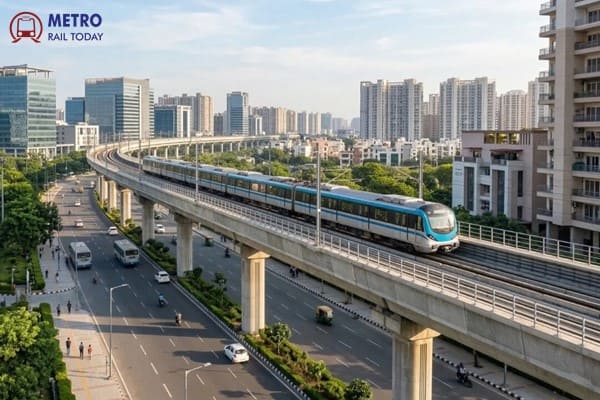 Govt proposes 270-km Orbital Rail Corridor to transform Regional connectivity in Delhi-NCR
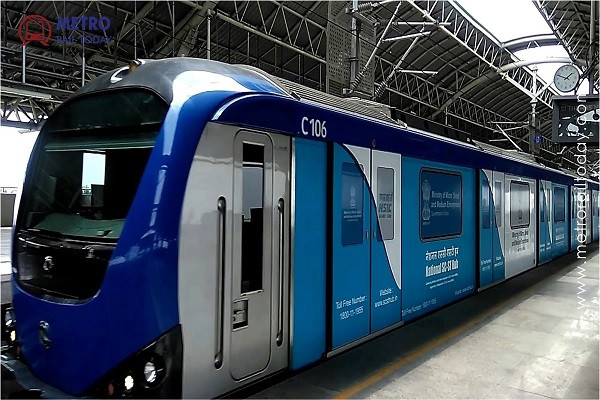 Tamil Nadu approves ₹9,335 Crore Chennai Airport–Kilambakkam Metro Corridor
 NCRTC to appoint General Consultant for Delhi–Panipat–Karnal Namo Bharat RRTS Corridor
Tender launched for 7.7 km Automated People Mover (APM) System for IGI Airport New Delhi
MRT Online Desk
Posted on: 2024-09-26 17:30:00
Viewer: 2,379
Comments: 0
Country: India
City: New Delhi
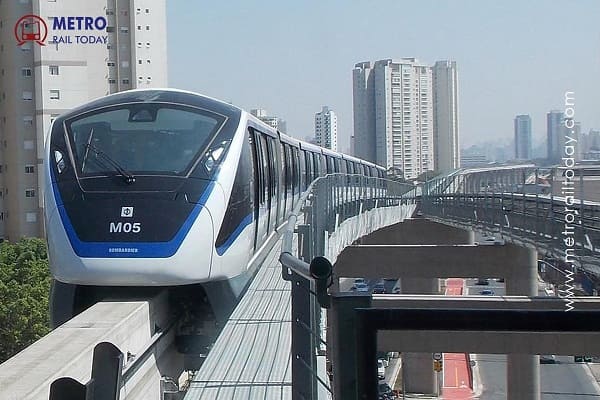
New Delhi, India (Metro Rail Today): Delhi International Airport Ltd. (DIAL) has officially invited tenders for the construction and operation of a 7.7 km Automated People Mover (APM) system at Indira Gandhi International Airport. This new initiative aims to enhance connectivity between the airport's terminals, addressing current transportation challenges faced by travelers.
The APM, set to be developed under a Design, Build, Finance, Operate, and Transfer (DBFOT) model, will link Terminal 1 with Terminals 2 and 3 through four strategically placed stations. The project is spearheaded by GMR Group, which holds the majority stake in DIAL.
The need for this APM system arises from the existing 7.5 km driving distance between Terminal 1 and Terminal 3, which is not only time-consuming but also inconvenient for passengers. While shuttle bus services are currently available, they operate every 20 minutes and often fail to provide a pleasant travel experience. The new APM system, also known internationally as the Air Train or Sky Train, promises to deliver fast, reliable, and seamless inter-terminal transfers.
According to DIAL's tender description, the APM system aims to enhance passenger convenience, improve Airport Service Quality (ASQ) scores, and significantly reduce the airport's carbon footprint. The route will traverse through Aerocity and Cargo City, ensuring efficient connectivity between the terminals.
The feasibility study conducted by Nippon Koei Co. Ltd. in February 2018 recommended a rubber-type APM system with a maximum speed of 80 km/h. This recommendation was based on the successful implementation of similar systems worldwide, which boast low operational and maintenance costs.
While specific details of the alignment are still being finalized, preliminary plans suggest that the APM may operate partially at-grade along the existing roadways near Terminal 3. There may also be a shallow underground section connecting Aerocity to Terminal 1, enhancing the system's overall efficiency. The proposed stations include stops at Terminal 2, Terminal 3, Cargo, and Aerocity, providing passengers with convenient access to all key areas of the airport.
DIAL's bidding process is expected to take place in a confidential manner, with the submission of tender documents requiring a confidentiality agreement. According to sources, DIAL anticipates receiving bids between October and November 2024, with plans to award the contract before the end of the current fiscal year on March 31, 2025.
In addition to the airport APM, the Delhi Metro Rail Corporation (DMRC) and the Central Public Works Department (CPWD) are also working on a separate 3 km APM system at Delhi's Central Vista, which will feature four stations. Ayesa India was awarded the Detailed Design Consultant contract for this project in November 2022, although progress has been slow.
As inter-terminal APMs globally are typically free for passengers, there is hope that the Delhi APM will follow suit. However, there are concerns that it may not be the case.
With the urgent need for improved inter-terminal transport solutions, the new APM at Delhi Airport represents a significant step towards modernizing the airport infrastructure and enhancing the travel experience for millions of passengers annually. Stay tuned for further updates as the project progresses.


MRT Online Desk
Metro Rail Today is an authentic and global news provider for the Rail & Metro industry from and around the world.