

Trending Now
 R Mohanraja appointed as new Secretary of Railway Board, Ministry of Railways
 Adani Group's construction arm bags first ₹1,024 crore Civil Contract of Delhi Metro Phase 5
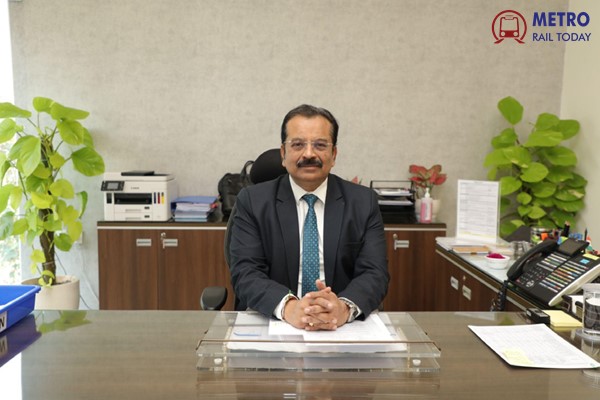 Govt approves permanent absorption of NCRTC Managing Director Shalabh Goel from Indian Railways
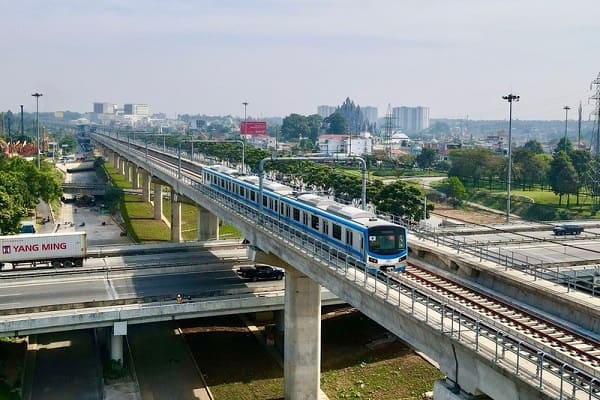 Hyundai Rotem signs $332 million Rolling Stock Contract with Vietnam for Ho Chi Minh City Metro
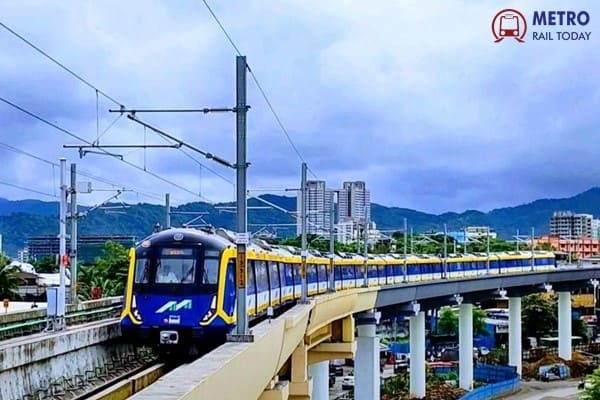 Maharashtra approves ₹18,130 Crore Mumbai Metro Line 5 Expansion & New Line 5A
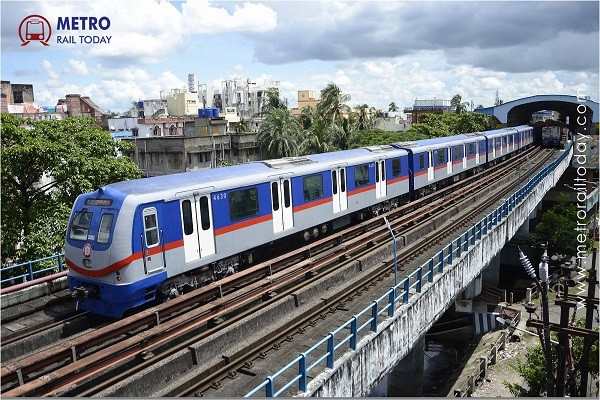 Telangana Govt approves ₹13,615 crore IRFC loan to takeover Hyderabad Metro from L&T
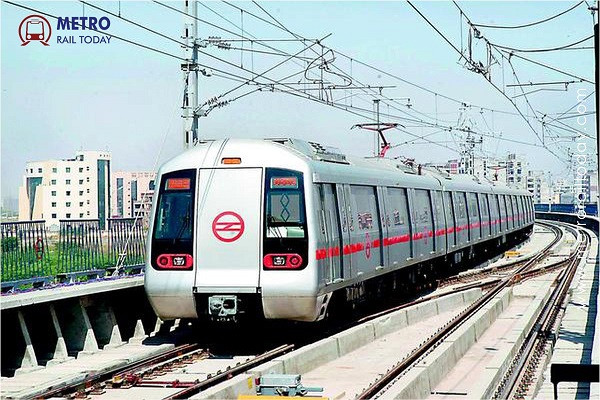 DMRC appoints Sanjay Jamuar as First CEO of Delhi Metro International Limited
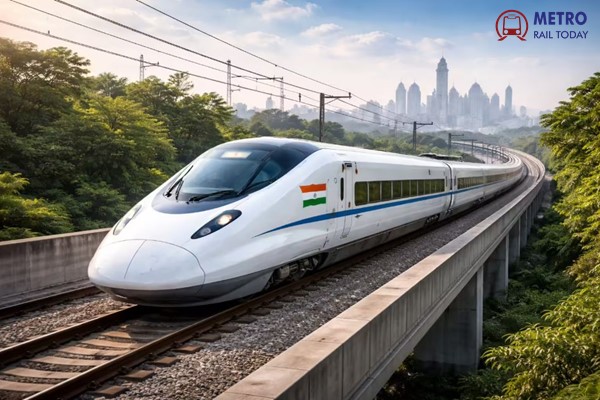 India launches first High Speed Bullet Train Manufacturing Complex in Bengaluru
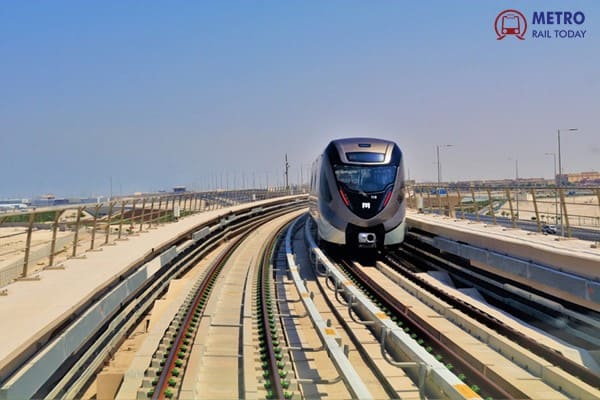 Spain investigates CAF’s role in Jerusalem Light Rail Project amid Human Rights allegations
 Dr. Amit Kumar Jain conferred Delhi CM’s Award 2026 for driving Digital Innovation in Urban Mobility
Titagarh Rail Systems Bags ₹273.24-Crore Rolling Stock Contract from Indian Railways
MRT Online Desk
Posted on: 2025-12-17 16:30:00
Viewer: 2,091
Comments: 0
Country: India
City: Kolkata
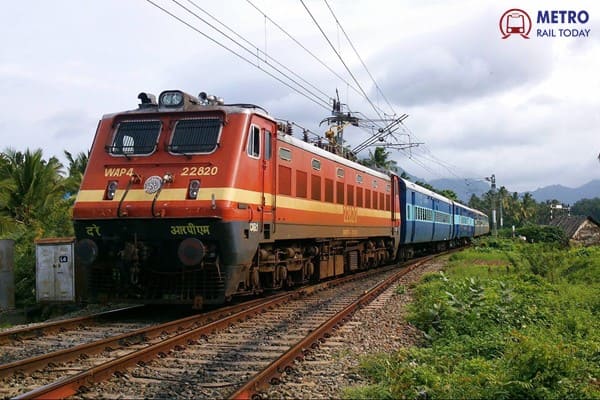
Kolkata, India (Metro Rail Today): Titagarh Rail Systems Limited (TRSL) has secured a major contract worth ₹273.24 crore from the Ministry of Railways for the design, manufacture, supply, testing and commissioning of 62 Rail Borne Maintenance Vehicles (RBMVs). The order, dated 17 December 2025, marks a significant milestone for the company and reinforces its growing role in India’s railway modernisation and mechanisation drive.
This landmark contract represents TRSL’s first major breakthrough in the safety and signalling systems domain, expanding its portfolio beyond rolling stock manufacturing into advanced, safety-critical railway maintenance solutions.
Scope of Work and Contract Details
Under the contract, Titagarh Rail Systems will undertake:
-
Design and manufacture of 62 Rail Borne Maintenance Vehicles
-
Supply, testing and commissioning of the machines
-
Training of Indian Railways personnel
-
Long-term servicing and breakdown maintenance support
The total contract value of ₹273.24 crore includes GST, and the project will be executed in a phased manner to ensure quality and performance compliance.
As per the agreed timeline:
-
Supply of machines will commence within 15 months from the date of Letter of Acceptance
-
Complete delivery of all 62 RBMVs and spares will be achieved within 48 months
Rail Borne Maintenance Vehicles: Enhancing Safety and Efficiency
Rail Borne Maintenance Vehicles are specialised, self-propelled machines designed to operate directly on railway tracks. These advanced vehicles play a crucial role in modern railway operations by enabling:
-
Track inspection and preventive maintenance
-
Overhead Equipment (OHE) installation and maintenance
-
Allied infrastructure maintenance activities
Equipped with advanced mechanised systems, the RBMVs are expected to significantly enhance operational safety, precision and reliability, while reducing dependence on manual processes. This transition supports safer working conditions and improves asset availability across the railway network.
Strategic Significance for Titagarh Rail Systems
Traditionally recognised for its expertise in rolling stock manufacturing, Titagarh Rail Systems is now steadily expanding into integrated rail safety, maintenance and infrastructure solutions. This order underlines the company’s growing technological capabilities and its ability to deliver complex, safety-critical systems aligned with Indian Railways’ evolving operational requirements.
The project also aligns with Indian Railways’ broader push towards mechanisation, predictive maintenance and modern asset management, aimed at improving network reliability and long-term sustainability.
Commenting on the development, Mrs. Mamta Shah, MD & CEO, Urban Infra Group, said, “Indian Railways’ increasing focus on mechanised maintenance and safety-driven technologies is a crucial step toward building a resilient and future-ready rail network. Contracts like this not only strengthen indigenous manufacturing capabilities but also accelerate the adoption of modern maintenance practices that enhance safety, efficiency and asset life across the system.”
With this ₹273.24-crore RBMV order, Titagarh Rail Systems Limited makes a decisive entry into the safety and signalling segment, reinforcing its position as a key contributor to India’s railway modernisation journey. The project is expected to support safer operations, improved maintenance efficiency and higher reliability across Indian Railways’ vast network—marking another step forward in the country’s transition toward technologically advanced rail infrastructure.

MRT Online Desk
Metro Rail Today is an authentic and global news provider for the Rail & Metro industry from and around the world.