


Trending Now
 Paras Railtech wins ₹84.72 crore Ballastless Track Contract for Jaipur Metro Rail Project
 Indian Railways announces 3,548 Graduate-Level Vacancies under NTPC Recruitment 2026
 European Union sanctions €10 million to support extension of Hanoi Metro Line 3
 GMRC issues ₹683 crore Tender for construction of 8.68 km stretch for Ahmedabad Metro
- GMRC launches ₹439 crore Tender for construction of 5 New Ahmedabad Metro Stations
 Global tender issued for procurement of 60 Rolling Stock coaches for Hyderabad Metro Rail Project
 Global tender issued for procurement of 102 Rolling Stock coaches for Patna Metro Rail Project
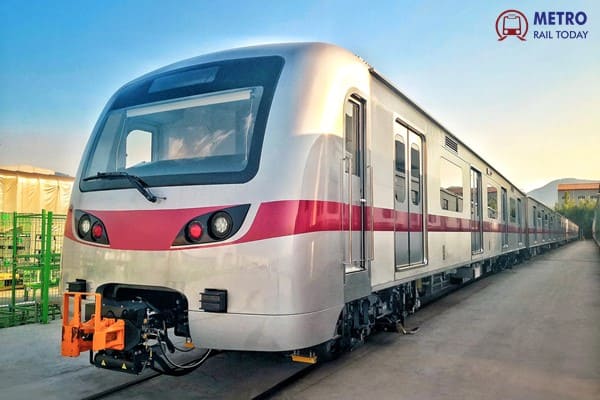 Gamuda awarded RM3.7 billion contract to build Keelung Mass Rapid Transit in Taiwan
 Maharashtra forms special Task Force to plan Rail, Metro and RRTS expansion
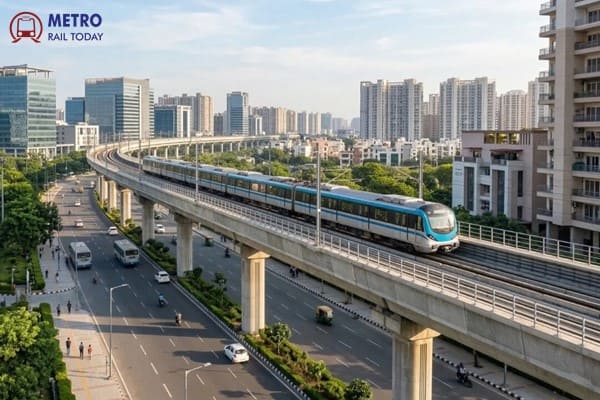 Govt. of India approves ₹12,200 crore, 29-km Thane Integral Ring Metro project in Maharashtra
India unveils the World’s Most Powerful Hydrogen-Powered Train Engine
Dr. Vinod Shah
Posted on: 2025-01-20 07:10:00
Viewer: 4,924
Comments: 0
Country: India
City: New Delhi
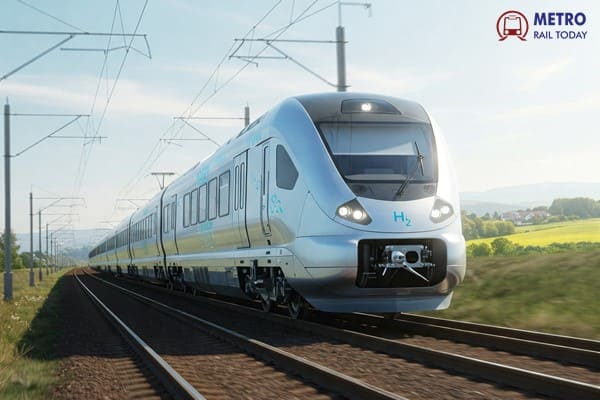
In a groundbreaking achievement, Indian Railways has developed the world’s most powerful hydrogen-fuelled train engine, a technological marvel that reaffirms India’s commitment to sustainable innovation. Announced by Railway Minister Ashwini Vaishnaw, this milestone highlights the engine’s exceptional horsepower and the extensive use of indigenous technology, setting a new global benchmark in green transportation.
Outpacing Global Standards
Globally, only four countries have successfully built hydrogen-powered trains, but their engines typically generate horsepower between 500 and 600. Indian Railways’ hydrogen-powered engine, in contrast, delivers an unparalleled 1,200 horsepower, making it the most powerful in its class. This extraordinary feat not only surpasses global standards but also underscores India’s engineering prowess and ability to lead in sustainable advancements. Combining efficiency with high performance, the engine is poised to revolutionize hydrogen-powered transportation.
India’s Green Vision
The development of this hydrogen engine represents India’s ambition to spearhead the global transition to greener transportation solutions. By harnessing indigenous expertise, India is proving that homegrown innovations can drive sustainable growth and elevate the nation’s position on the global green energy stage. This accomplishment signals a significant stride toward eco-friendly transportation solutions, showcasing India’s readiness to lead the future of green mobility.
Why Hydrogen-Powered Trains Stand Out
Hydrogen-powered trains are a game-changer in the transportation industry. They utilize hydrogen fuel cells to generate electricity for propulsion, completely eliminating harmful emissions. By combining hydrogen and oxygen, these fuel cells produce electricity, resulting in zero emissions, reduced noise pollution, and a cleaner travel experience. With faster speeds, longer travel distances, and a significantly lower carbon footprint, hydrogen-powered trains offer a sustainable alternative to traditional diesel and electric engines.
Key Benefits of Hydrogen Trains:
-
Zero harmful emissions: A cleaner and greener alternative.
-
Reduced noise pollution: Enhances passenger comfort.
-
Sustainability: Eliminates dependence on diesel engines.
-
Efficiency: Achieves faster speeds and longer travel ranges.
-
Lower carbon footprint: Contributes to combating climate change.
Trials and Operational Readiness
The hydrogen-powered train’s first trial run is set to take place on the Jind-Sonipat route in Haryana. While the engine is already manufactured, ongoing system integration marks the final step toward operational deployment. Vaishnaw emphasized that this achievement symbolizes India’s readiness to lead the global green energy movement. “Such technological advancements inspire confidence and signify India’s potential to lead major economies in sustainable development,” he remarked.
Beyond Railways: Expanding Hydrogen’s Potential
The engine’s development highlights the immense potential of hydrogen technology beyond railways. According to Vaishnaw, this innovation could extend to powering trucks, tugboats, and various industrial applications. He remarked, “When we can build a hydrogen-run train engine on such a scale, imagine the possibilities of adapting this technology for other uses.” The minister also stressed the importance of developing the entire hydrogen technology value chain to achieve true self-reliance.
Pioneering a Sustainable Future
This hydrogen train engine is more than a technological achievement; it symbolizes India’s growing self-reliance in green energy solutions. By integrating hydrogen technology into the transportation sector, India is paving the way for further innovations and applications. As the trial run approaches, this groundbreaking development reflects India’s ability to innovate and compete on a global scale, setting a strong precedent for sustainable growth.
The hydrogen-powered engine is not just a step toward green energy adoption; it is a leap toward redefining the future of eco-friendly transportation. With this monumental achievement, India is set to lead the global narrative on sustainable mobility, proving that the journey to a greener future starts with visionary innovation and indigenous ingenuity.


Dr. Vinod Shah
Dr. Vinod Shah is an experienced urban transport journalist, blogger and key opinion leader.