

Trending Now
 Jupiter Wagons Eyes ₹20,000-Crore Mumbai Suburban Mega Rolling Stock Tender
 Mumbai Metro Chief Ashwini Bhide appointed as First Woman BMC Commissioner
 TBM ‘Parvati’ completes Underground Tunnelling on Kanpur Metro Phase 1 Project
 Surat Metro begins First Trial Run on 8.5 km Diamond Corridor between Dream City and Althan Tenement
 Cemindia wins ₹1,024 crore Civil Contract for Central Vista Tunnel Package of Delhi Metro Phase V
 TBM ‘Durgavati’ begins tunneling works on Bhopal Metro Underground Stretch
 Washington Metro celebrates its Golden Jubilee—50 years of passenger service
 Two TBMs arrive in Mumbai for undersea tunneling on Mumbai-Ahmedabad Bullet Train Project
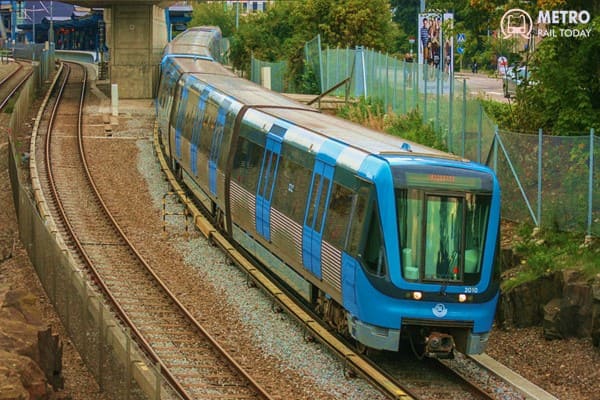 Alstom awarded €915 million Rolling Stock Contract for Belgrade’s First Driverless Metro Line
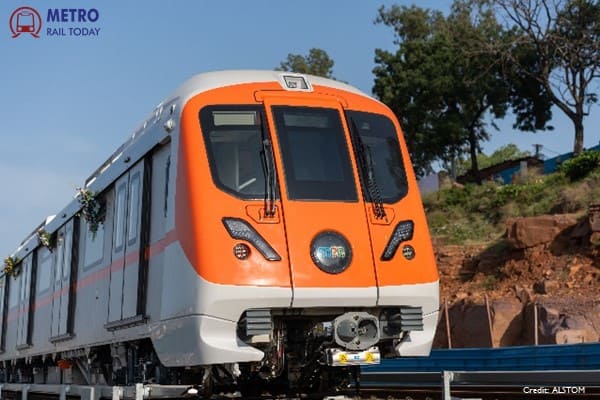 Bhopal Metro begins Signalling works to boost train frequency on Priority Corridor
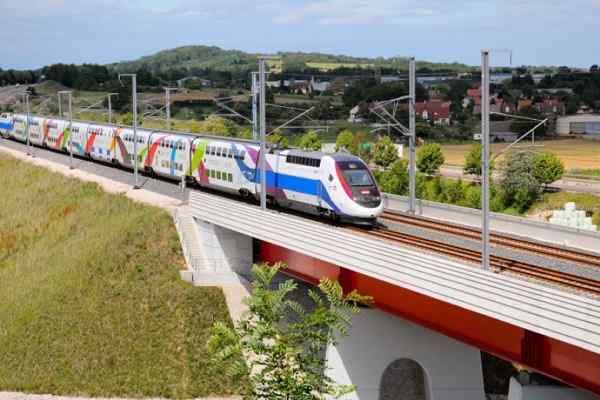
20-coach Vande Bharat Train Trial run conducted on Ahmedabad-Vadodara-Mumbai Central route
MRT Online Desk
Posted on: 2024-08-12 07:30:00
Viewer: 1,273
Comments: 0
Country: India
City: New Delhi
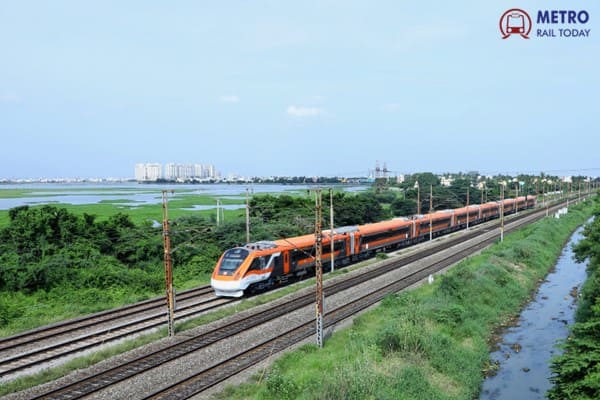
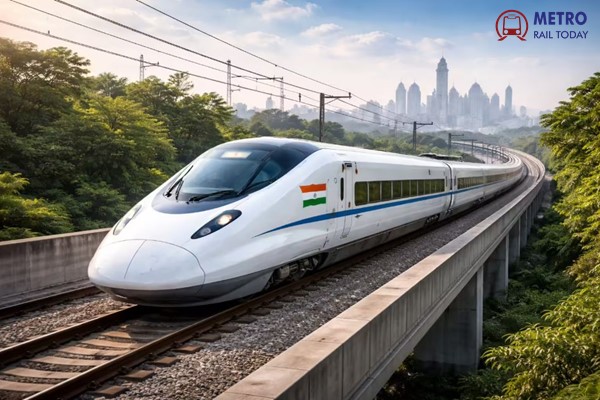
New Delhi, India (Metro Rail Today): A crucial trial run of a 20-coach Vande Bharat train was conducted on the Ahmedabad-Vadodara-Mumbai Central route on August 9, 2024. Currently, two pairs of 16-coach Vande Bharat trains operate on this route, running at over 100% capacity. Each 16-coach train accommodates 1,128 passengers, including two first-class compartments with 52 seats each and chair car compartments with 78 seats each.
The new 20-coach train is expected to increase capacity by nearly 25%, enhancing comfort and convenience for travelers. This expansion is aimed at addressing the high demand on this route and improving the overall travel experience.
During the trial, the train reached a top speed of 130 km/h. This test is a significant part of Indian Railways' plan to operate semi-high-speed Vande Bharat trains on the Mumbai-Ahmedabad-Delhi corridor. The Indian Railways' Research, Design and Standards Organisation (RDSO), along with senior railway engineers, supervised the trial.
Reports suggest that future trials may see Vande Bharat trains operating at speeds up to 160 km/h on the Mumbai-Ahmedabad route. Preparations for this include installing safety barriers along the route and making extensive engineering upgrades. These enhancements involve strengthening over 120 bridge approaches with geo-cells, rehabilitating 138 bridges, and replacing seven bridges with ballasted decks. Additionally, 134 curves have been straightened, and the capacity of concrete sleepers and track cushioning has been improved. These upgrades aim to increase speeds from the current 120-130 km/h to 160 km/h, potentially reducing travel time between Mumbai and Ahmedabad by 45 to 60 minutes.
The Mumbai-Surat-Vadodara-Delhi corridor is also planned for a similar speed upgrade. The project's cost for the Western Railway jurisdiction is estimated at Rs 3,959 crore, while the total budget for the route to Delhi is approximately ₹10,000 crore.
Currently, over 50 trains, including Vande Bharat, Tejas, and Shatabdi Express, operate between Mumbai and Ahmedabad, running at speeds ranging from 100 km/h to 110 km/h on various sections of the route.
Indian Railways is also focusing on expediting train journeys on the 1,479-km Delhi-Mumbai corridor and the 1,525-km Delhi-Howrah corridor. Nearly 50% of the Mumbai-Delhi route is managed by Western Railways, with the remainder under West Central Railways and Northern Railway.

MRT Online Desk
Metro Rail Today is an authentic and global news provider for the Rail & Metro industry from and around the world.