

Trending Now
 Siemens Bags Order from Titagarh Rail Systems for Pune Metro Extension Trainsets
 Titagarh Rail Systems becomes Corporate Member of Chamber of Railway Industries (Rail Chamber)
 World Bank approves ₹1,400 crore Civil Tender for Gurugram Metro Phase 2
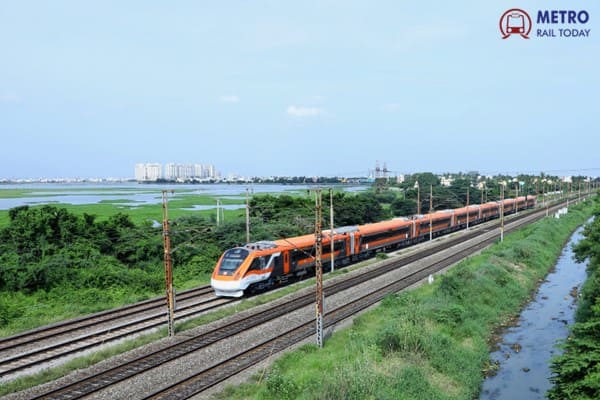 Bi-RIDE invites ₹200 crore Tender for Soladevanahalli Depot of Bengaluru Suburban Rail Project
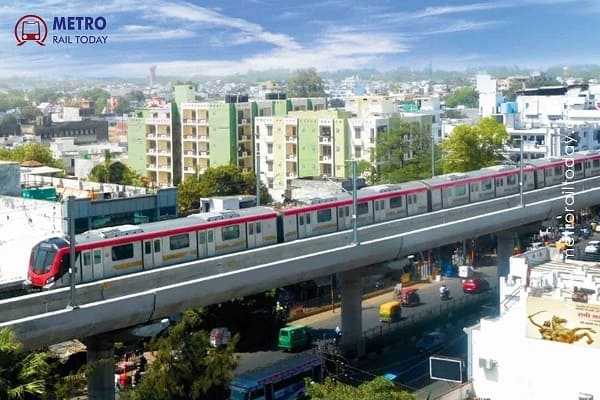 GHV India awarded ₹107.79 crore Civil Contract for Lucknow Metro East-West Corridor
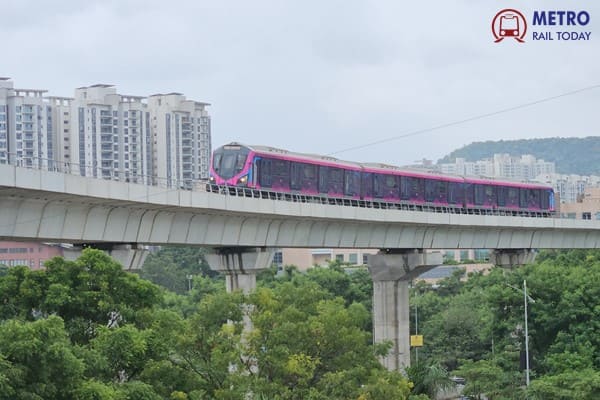 Pune Metro Line 3 set to launch First 12-km Section on 15 July 2026
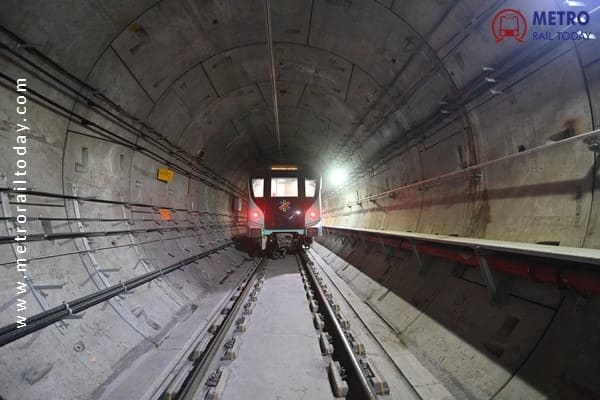 DMRC gets approval to Fell or Transplant 364 Trees for Central Vista Metro Corridor under Phase IV
 ₹4.5 Lakh crore Metro Rail Investment reaches less than 5% of Urban Population in India
 West Bengal plans to launch Water Metro Systems in Kolkata
- Titagarh Rail Systems targets full Indigenous Aluminium Coach Manufacturing by FY2027
Ahmedabad Metro faces low revenue and empty train operation issues
MRT Online Desk
Posted on: 2026-01-06 07:01:00
Viewer: 2,554
Comments: 0
Country: India
City: Ahmedabad
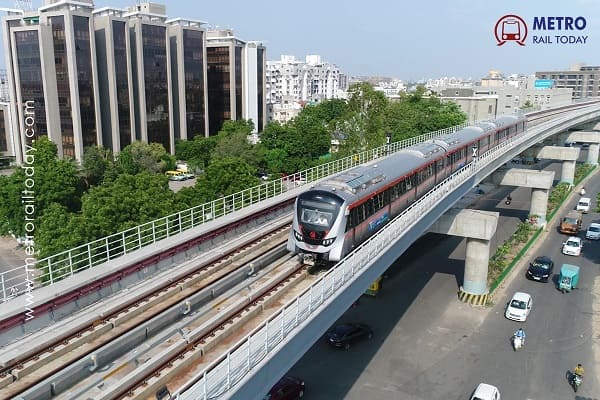
Ahmedabad, India (Metro Rail Today): The Ahmedabad Metro has recorded a significant rise in daily ridership, touching nearly 1.5 lakh passengers per day in December 2025, but the surge has not translated into proportionate revenue growth. According to data shared by the Gujarat Metro Rail Corporation (GMRC), the average per-passenger revenue remains slightly above ₹12, and several trains on connecting and newly opened routes continue to operate with low occupancy.
Despite rapid network expansion since its launch in 2022, the system is still struggling to build consistent passenger volumes across all corridors, senior officials said.
Ridership Rising, Revenue Stagnant
Between October 2022 and December 31, 2025, the Ahmedabad Metro carried approximately 11.5 crore commuters, generating revenue of about ₹140 crore.
However, the earnings per rider have barely increased:
-
₹11.8 per passenger in 2024
-
₹12.6 per passenger in 2025
-
After Sachivalaya route addition: ~₹12.3
Officials say the mismatch indicates short-distance travel patterns, concessionary fares, and limited last-mile connectivity.
Lack of Parking Seen as Major Deterrent
GMRC officials identified insufficient parking facilities near metro stations as one of the biggest obstacles to ridership growth:
-
Parking space addition is feasible in Gandhinagar
-
Availability is limited and challenging in Ahmedabad city
-
First- and last-mile connectivity remains weak in several areas
Many newly opened stretches reportedly witness near-empty trains, particularly during non-peak hours.
Frequency Improved, But Only in Peak Hours
Operational adjustments have been made to make services more attractive:
-
Peak-hour headway reduced from 12 minutes to 7 minutes
-
Off-peak services continue at 12-minute intervals
The Thaltej Gam–Vastral corridor remains the highest ridership contributor, largely due to frequency and dense catchment areas. In contrast, the APMC–Gandhinagar–GIFT City stretch sees relatively fewer passengers and is used predominantly by students.
Expansion Toward Mahatma Mandir Soon
Network expansion is expected to stimulate fresh demand. The Metro is set to be extended up to Mahatma Mandir, with Prime Minister Narendra Modi likely to inaugurate the Sachivalaya–Mahatma Mandir stretch around Uttarayan.
Officials believe ridership will rise further once services directly connect:
-
Gandhinagar Railway Station
-
Akshardham Temple
-
Sachivalaya
Officials remain optimistic, stating that brand acceptance of Metro travel in Ahmedabad is improving steadily, although monetization lags behind.
Commenting on the ridership trends, Mrs. Mamta Shah, MD & CEO, Urban Infra Group, said:
“The Ahmedabad Metro has entered a crucial consolidation phase where ridership is rising but revenue efficiency must catch up. Integrated parking, feeder bus services, and seamless last-mile connectivity will be decisive in converting casual riders into daily commuters and ensuring financial sustainability.”
Key Challenges Ahead
-
Weak last-mile connectivity
-
Limited station parking infrastructure
-
Lower occupancy on Gandhinagar and GIFT City routes
-
High share of student commuters using subsidized fares
The Way Forward
Transport experts suggest:
-
structured TOD (Transit-Oriented Development)
-
integrated ticketing with BRTS & city buses
-
micro-mobility services around stations
-
commercial development at stations to boost non-fare revenue
With further extensions on the horizon and increasing commuter familiarity, Ahmedabad Metro is expected to see steady but uneven growth until supporting infrastructure fully matures.

MRT Online Desk
Metro Rail Today is an authentic and global news provider for the Rail & Metro industry from and around the world.