


Trending Now
 Japanese Delegation visits KRIDE to explore Bengaluru Suburban Rail Project opportunities
 GMRC issues ₹879 crore Civil Tender for Airport Extension under Ahmedabad Metro Phase 2A
 Global Mobility Leaders Alstom and Siemens become Corporate Member of Chamber of Railway Industries
 L&T-MHI JV wins contract for Automated People Mover at Dubai’s Al Maktoum International Airport
 Delhi Metro Rail Network to expand to 695 km by 2047, Six new RRTS Corridors planned
 HÜBNER at InnoTrans 2026: Global rail expertise and local capability for India’s Next-Gen Mobility
 Australia shortlists three firms/consortia for Sydney–Newcastle High Speed Rail Project
 MRVC set to procure 238 AC Vande Metro Trainsets worth ₹19,293 crore from Indian Railways
 Maharashtra approves ₹17,725 crore Mumbai Metro Line 13 linking Mira-Bhayandar with Vasai-Virar
 Gujarat issues three tenders for 48.38-km Metro-RRTS Hybrid corridors under Ahmedabad Metro Phase 3
Bengaluru's Electronics Metro Corridor to Welcome First Trains by September
Surya Shah
Posted on: 2023-08-01 08:31:00
Viewer: 1,856
Comments: 0
Country: India
City: Bengaluru
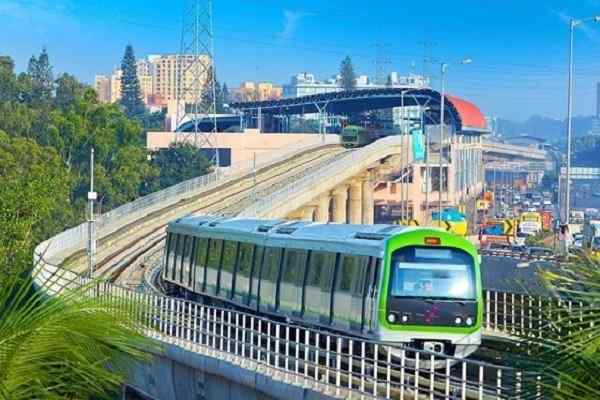 (Representative Image)
Bengaluru, India (Metro Rail Today): In a significant development for Bengaluru's public transportation system, the city's Electronics Metro Corridor is all set to receive its first trains by September. The milestone project is expected to bolster connectivity and ease commuting for thousands of residents in the bustling tech hub.
The Metro Corridor, which falls under Bangalore Metro Rail Corporation Limited (BMRCL), aims to connect various key areas within the city, including Electronic City and Bommasandra. Once operational, this corridor will play a crucial role in reducing travel time and alleviating traffic congestion in these densely populated regions.
Titagarh Wagons Limited, the firm responsible for manufacturing these metro trains, is working diligently to meet the September deadline. The company's Managing Director, in an exclusive interview, expressed confidence in the timely completion of the project and highlighted its significance in enhancing urban mobility.
The introduction of modern metro trains in Bengaluru is expected to provide commuters with a safe, efficient, and comfortable mode of transport. As the city continues to witness rapid growth, an efficient public transportation system becomes imperative, and the Electronics Metro Corridor seeks to address this need.
Apart from easing the daily commute for residents, the metro corridor is anticipated to have a positive impact on the environment. By encouraging more people to opt for public transportation, the project aligns with sustainable development goals and endeavors to reduce carbon emissions.
The Bengaluru Electronics Metro Corridor project signifies a step forward in India's urban transportation landscape. It showcases the city's commitment to embracing advanced transportation solutions and fostering smart, connected communities.
As the September deadline approaches, anticipation is building among Bengaluru's residents to experience the benefits of the new metro corridor. With the promise of shorter travel times, enhanced convenience, and a greener commute, the introduction of these trains is eagerly awaited by the tech-savvy city's populace.


Surya Shah
Surya Shah is a seasoned professional with a diverse skill set encompassing writing, digital content creation, communication skills and expertise in AI. He is graduated from UIT, RGPV, Bhopal in Electronic & Communication Engineering