


Trending Now
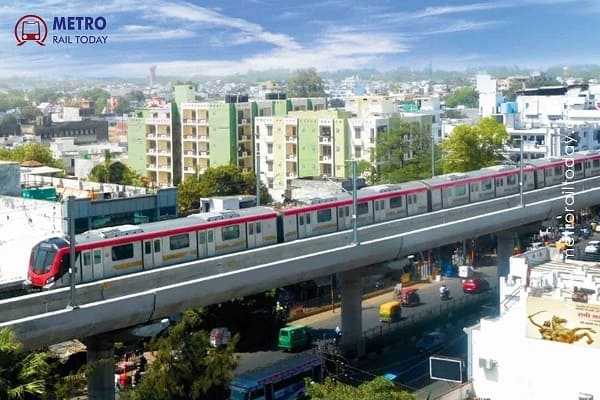 Ranjit Buildcon Wins ₹383.98 Crore Civil Contract for Lucknow Metro Phase 1B
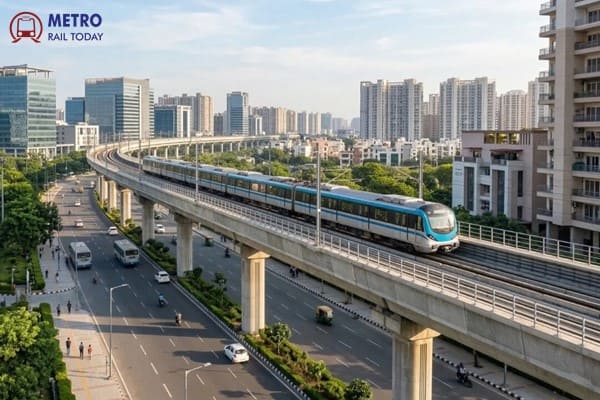 Tamil Nadu seeks Central Support for new Metro Rail Projects in Coimbatore, Hosur and Madurai
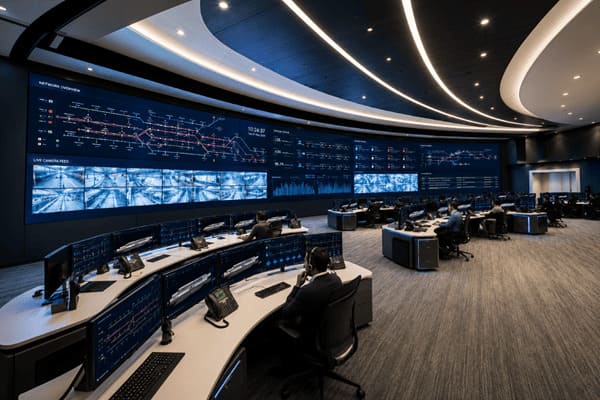 Future Metro Control Centres: ST Engineering Transforms Command Rooms to Intelligent Nerve Centres
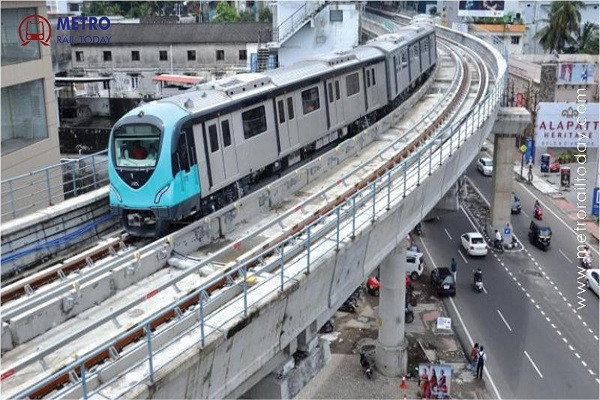 Kochi Metro unveils Visionary Design for Phase II Pink Line Metro Stations
 Design Consultancy Tenders floated for Ahmedabad Metro Phase 3 Elevated Corridors
 Global Metro Rail Infrastructure Market projected to reach US$ 78.3 billion by 2033
 Kinet’s Vande Bharat Sleeper Concept wins prestigious Italian A’ Design Award
 SYSTRA awarded Design Consultancy Contract for Ahmedabad Metro Phase 2 Extensions
 TBM Servarayan achieves Tunnel Breakthrough on Corridor 3 of Chennai Metro Phase 2
 India targets 350 kmph Indigenous Bullet Train to accelerate High-Speed Rail ambitions
Bhopal Metro Phase 1 cost surges 43% to ₹10,033 crore amid delays and rising input costs
MRT Online Desk
Posted on: 2026-04-01 11:34:00
Viewer: 1,054
Comments: 0
Country: India
City: Bhopal
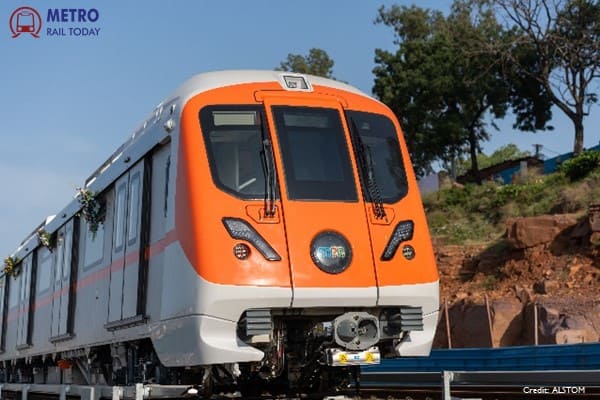
Bhopal, India (Metro Rail Today): The Bhopal Metro Rail Project (Phase 1) has witnessed a sharp cost escalation of nearly 43 percent, with the total project cost rising from an initial estimate of ₹6,941 crore in 2017–18 to over ₹10,033 crore by late 2025. The significant increase underscores the financial and execution challenges faced by large-scale urban transit projects in India.
The escalation, exceeding ₹3,000 crore, has pushed the per-kilometre cost from ₹249 crore to approximately ₹371 crore, reflecting the impact of inflationary pressures, project delays, and evolving design requirements.
Industry experts attribute the cost surge to a combination of factors, including delays in construction timelines, rising prices of key raw materials such as steel and cement, design modifications, and land acquisition challenges. These issues have collectively affected project execution and increased overall expenditure.
The scale of the cost overrun is substantial, with analysts noting that the additional expenditure alone could have funded multiple Bus Rapid Transit System (BRTS) corridors, highlighting the importance of timely execution and cost management in urban infrastructure projects.
Commenting on the development, Mrs. Mamta Shah, MD & CEO, Urban Infra Group, said, “Cost escalations in metro projects are often linked to delays and fluctuating input costs. Strengthening project planning, faster clearances, and efficient execution mechanisms will be critical to ensuring financial sustainability and timely delivery of urban transit infrastructure.”
Project Status and Corridor Details
Bhopal Metro Phase 1 comprises two key corridors—Line-2 (Karond Circle to AIIMS) and Line-5 (Bhadbhada Square to Ratnagiri Tiraha)—covering a total length of over 27 kilometres. The project is aimed at transforming urban mobility in the state capital by providing a modern, high-capacity public transport system.
The priority corridor between AIIMS and Subhash Nagar has made notable progress, with several stations nearing readiness for initial operations. However, broader network completion timelines have been impacted due to execution challenges.
Originally planned for earlier commissioning, the project is now expected to be fully operational by 2027, reflecting the delays encountered during construction and system integration phases.
The rising per-kilometre cost—now exceeding ₹370 crore—also highlights the broader trend of increasing capital requirements for metro rail projects, particularly in cities where land acquisition and urban constraints add complexity.
Implications for Urban Mobility Planning
The cost escalation in the Bhopal Metro project underscores the need for robust project management frameworks, risk mitigation strategies, and cost control mechanisms in India’s expanding metro rail ecosystem.
Despite the financial and timeline challenges, the Bhopal Metro remains a key infrastructure project for the city, expected to reduce congestion, improve connectivity, and support sustainable urban growth.
As work progresses toward the revised 2027 completion target, the project will play a crucial role in shaping Bhopal’s transition into a modern, transit-oriented urban centre.


MRT Online Desk
Metro Rail Today is an authentic and global news provider for the Rail & Metro industry from and around the world.