


Trending Now
 Ranjit Buildcon Wins ₹383.98 Crore Civil Contract for Lucknow Metro Phase 1B
 Tamil Nadu seeks Central Support for new Metro Rail Projects in Coimbatore, Hosur and Madurai
 Future Metro Control Centres: ST Engineering Transforms Command Rooms to Intelligent Nerve Centres
 Kochi Metro unveils Visionary Design for Phase II Pink Line Metro Stations
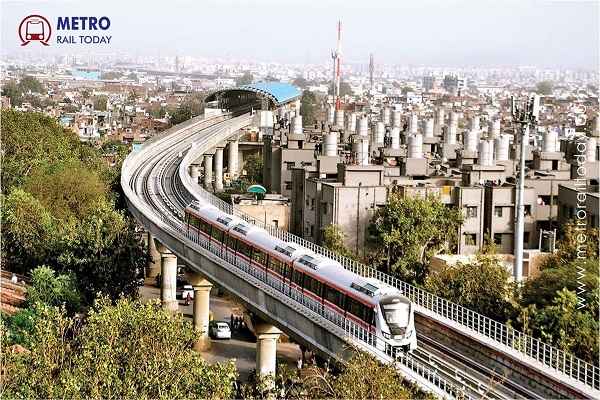 Design Consultancy Tenders floated for Ahmedabad Metro Phase 3 Elevated Corridors
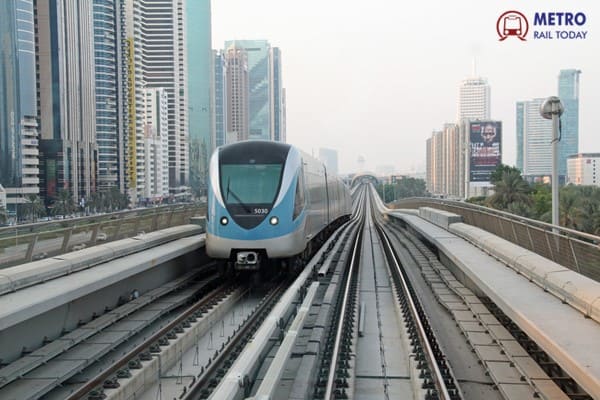 Global Metro Rail Infrastructure Market projected to reach US$ 78.3 billion by 2033
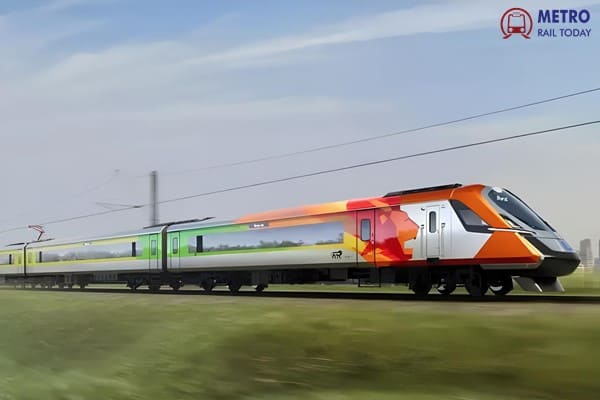 Kinet’s Vande Bharat Sleeper Concept wins prestigious Italian A’ Design Award
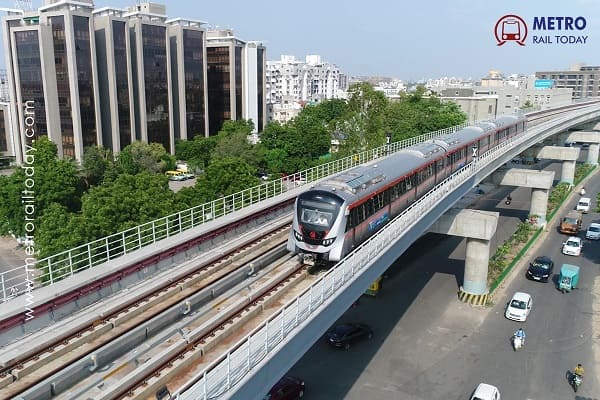 SYSTRA awarded Design Consultancy Contract for Ahmedabad Metro Phase 2 Extensions
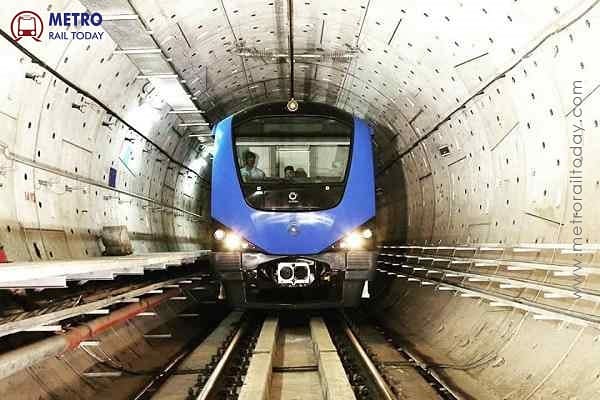 TBM Servarayan achieves Tunnel Breakthrough on Corridor 3 of Chennai Metro Phase 2
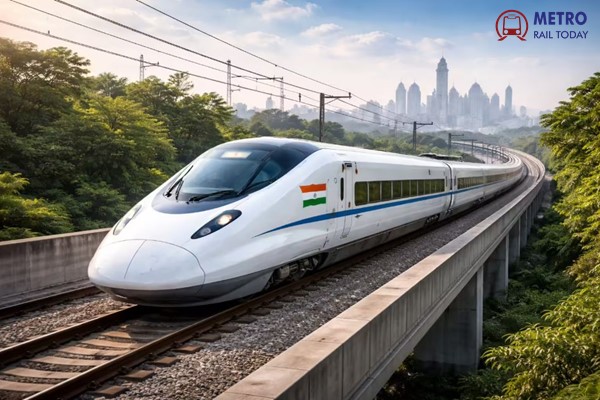 India targets 350 kmph Indigenous Bullet Train to accelerate High-Speed Rail ambitions
Chennai Metro submits feasibility study report for ₹10,712 crore Poonamalle-Parandur Metro line
MRT Online Desk
Posted on: 2024-01-05 06:10:00
Viewer: 2,205
Comments: 0
Country: India
City: Chennai
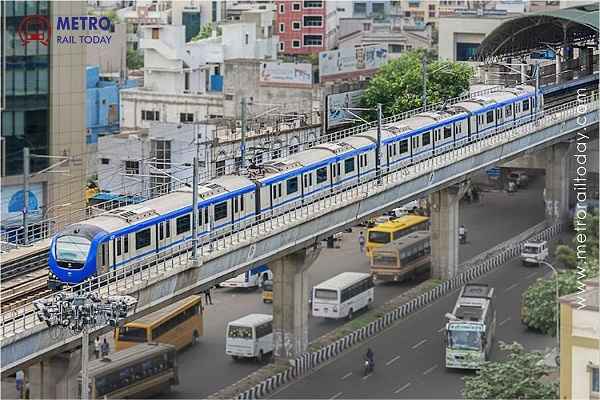
Chennai, India (Metro Rail Today): In a significant move towards enhancing connectivity and addressing the growing transportation needs, M.A. Siddique, I.A.S., Principal Secretary to Government and Managing Director of Chennai Metro Rail Limited (CMRL), presented a Detailed Feasibility Report (DFR) recommending the establishment of a Mass Rapid Transport System (MRTS) from Poonamalle to Parandur via Thirumazhisai & Sriperumbudur in Chennai. The report, submitted to Ramesh Chand Meena, I.A.S., Additional Chief Secretary, Special Initiatives, Government of Tamil Nadu, unveils a transformative vision for the region.
The proposed MRTS corridor spans a substantial 43.63 kilometers, catering to the growing demands of commuters in the region. Envisioned to streamline connectivity, the project plans to establish 19 elevated stations along the route. The estimated completion cost for this ambitious venture is projected at Rs 10,712 Crores.
T. Archunan, Director (Projects), and T. Livingstone Eliazer, Chief General Manager (PP & D), alongside other senior officials of CMRL, were present during the submission of the report. This strategic initiative aligns with the evolving landscape of the region, factoring in recent developments such as the proposed New Airport at Parandur, a planned Bus Terminus at Thirumazhisai, and the anticipated future growth along the corridor.
The DFR outlines key features that make this MRTS project a vital component of the region's transportation infrastructure:
-
Total Length Corridor: The proposed corridor stretches across 43.63 kilometers, ensuring extensive coverage and accessibility.
-
Elevated Stations: To maximize efficiency and convenience, the plan includes 19 elevated stations strategically placed along the route. Some of the major locations the metro network is likely to connect with stations include Nazarathpet, Chembarambakkam, Thirumazhisai, Pappanchatiram, Chettipedu, Thandalam, Irungattukottai, Pennalur, Sriperumbudur, Sipcot, Mambakkam, Sunguvarchatiram, Neevallur and Parandur.
-
Completion Cost: The approximate estimated completion cost of Rs 10,712 Crores underscores the significant investment in advancing the region's transport capabilities.
CMRL's decision to endorse this proposal comes after meticulous consideration of various factors, including the potential impact of the proposed New Airport at Parandur, the upcoming Bus Terminus at Thirumazhisai, and the foreseen growth trajectory of the corridor. The comprehensive alignment study conducted at the DPR stage will further refine the total number of stations and outline specific land requirements.
The MRTS proposal holds promise not only in alleviating current transportation challenges but also in fostering economic growth and accessibility in the region. The emphasis on future developments, such as the New Airport and Bus Terminus, showcases a forward-thinking approach that anticipates and addresses the evolving needs of the populace.
In conclusion, the submission of the Detailed Feasibility Report marks a pivotal step towards realizing a modern and efficient Mass Rapid Transport System. As the project progresses through subsequent stages, it is poised to redefine the region's connectivity landscape, enhancing accessibility and fostering sustainable development.

MRT Online Desk
Metro Rail Today is an authentic and global news provider for the Rail & Metro industry from and around the world.